 Retro Replay Retro Replay gaming reviews, news, emulation, geek stuff and more!
Retro Replay Review
Gameplay
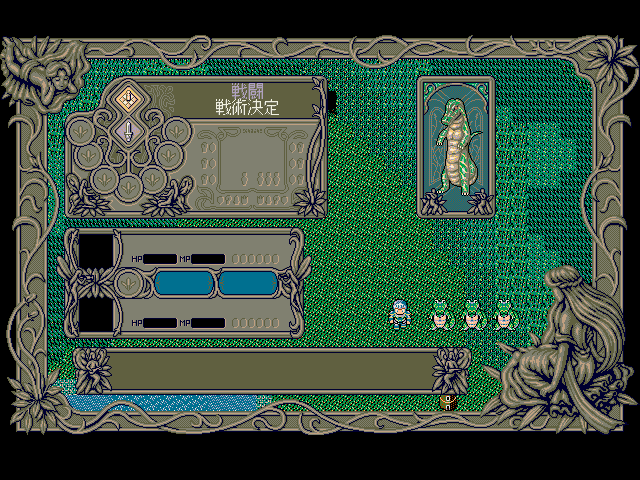
Free Will: Knight of Argent delivers a classic Japanese-style RPG experience, combining familiar mechanics with innovative dialogue-driven systems. The top-down world map invites exploration, offering hidden treasures, side quests, and enigmatic locations that reward curious players. Random battles pop up frequently enough to keep the tension high, but not so often that they become tedious. Combat itself leans on turn-based simplicity: each character acts in order according to their speed stat, with basic attacks, special abilities, and limited consumable items to manage throughout your journey.
(HEY YOU!! We hope you enjoy! We try not to run ads. So basically, this is a very expensive hobby running this site. Please consider joining us for updates, forums, and more. Network w/ us to make some cash or friends while retro gaming, and you can win some free retro games for posting. Okay, carry on 👍)
What truly sets Free Will apart is its dynamic NPC interaction menu. During any dialogue, you can choose “Information” to uncover lore and local rumors, “Negotiate” to haggle prices in shops or unlock special events, “Companion” to recruit willing allies, or even “Justice” to challenge an unsuspecting townsperson on the spot. This flexible system means you decide who joins your party, potentially assembling a team that reflects your preferred playstyle—be it brute strength, magic prowess, or cunning support roles.
The automatic level-up system streamlines progression: experience gains instantly translate into improved stats and new techniques without micromanagement. While purists might miss manual skill point allocation, this approach keeps the pace brisk and lets you focus on exploration and strategy rather than menu juggling. Party balance remains crucial, though; assembling a diverse group of apprentices, mages, or rogue–types will determine your success in boss battles scattered across the realm.
Random encounters grow more challenging as you venture farther from the secluded tower, ensuring a steady sense of advancement. Key battles—especially those triggered by pressing “Justice” on high-stakes characters—often require on-the-fly tactical shifts, penalizing rote strategies and rewarding adaptability. All told, the gameplay loop feels generously varied, with both classic and novel elements working in harmony.
Graphics
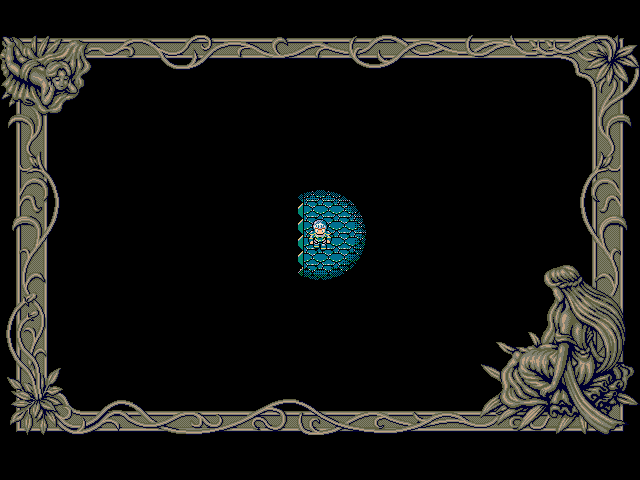
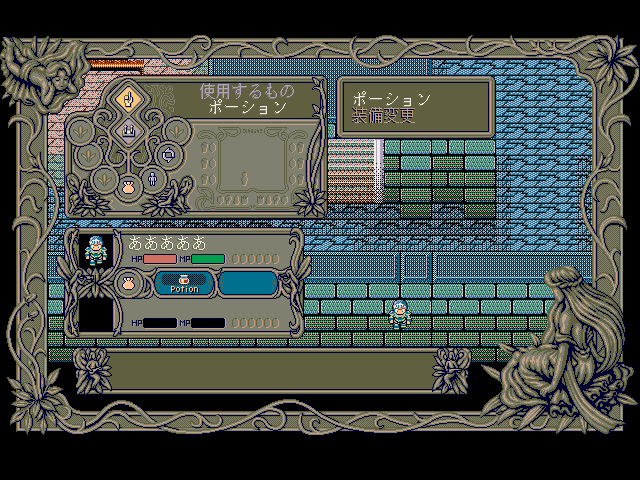
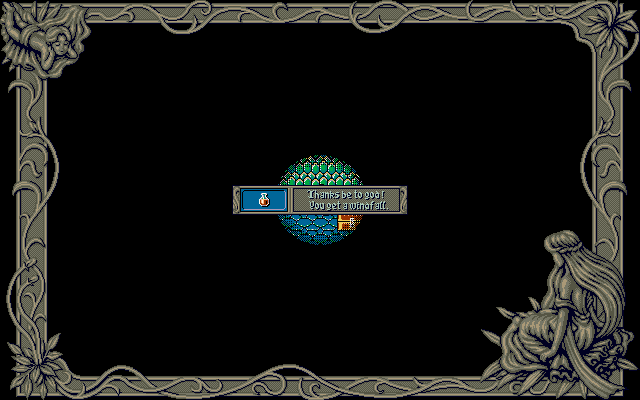
Graphically, Free Will: Knight of Argent embraces a vibrant pixel-art aesthetic that harkens back to 16-bit classics, yet it adds modern touches like dynamic lighting and parallax backgrounds. Towns and dungeons feel alive, with NPCs bustling about, torches flickering on stone walls, and ambient weather effects that hint at shifting seasons. The color palette remains rich and inviting, ensuring every area—from verdant forests to wind-swept desert ruins—boasts its own distinct visual identity.
Character sprites are charmingly detailed, with smooth animations for attacks, spells, and special moves. The apprentice hero’s sword slashes have satisfying impact frames, while summoned spells swirl in layered particle effects. Although the overworld map uses a simpler tile set, it still exudes personality through carefully placed landmarks and secret pathways designed to surprise you.
Cutscenes are sparse but well-constructed, blending still images with brief sprite‐based sequences to advance the narrative without overwhelming the engine. Transitions between exploration and battle feel seamless, and the UI—while intentionally minimalistic—provides clear indicators for health, mana, and party composition. Whether you’re playing on a CRT-style filter or at native resolution, the visuals remain crisp, coherent, and full of nostalgic charm.
Story
The narrative thrust of Free Will: Knight of Argent revolves around your journey to find the missing knight Allen—your father and local legend. You begin as a humble apprentice swordsman living under the watchful eye of Master Daido in a remote tower. When grim tidings arrive, you’re thrust into a sprawling world, tasked with forging your own path and unravelling a mystery that ties together ancient evils, political intrigue, and personal sacrifice.
Dialogue choices in NPC interactions do more than shape your party—they can reveal hidden motivations, secret alliances, or moral quandaries. Opting for “Justice” against a corrupt official may grant you a unique side quest but could also close off certain story branches. Conversely, persuading a merchant to join your cause under “Negotiate” can unlock rare equipment or a shortcut through a perilous region. This branching structure fosters a sense of ownership over the tale, as each decision carries weight.
While the main storyline follows a fairly traditional hero’s quest arc, side narratives delve into the backgrounds of potential companions: a rogue seeking redemption, a mage haunted by a past betrayal, a healer striving to restore her village’s prosperity. Recruiting these characters isn’t mere window dressing; each comes with mini‐quests that flesh out their personalities and reward you with new abilities or equipment. The interplay between personal stakes and the larger world conflict strikes a satisfying balance.
Tones shift naturally from lighthearted banter in village inns to darker revelations in long‐abandoned castles. By the time you confront the true source of Allen’s disappearance, you’ll have uncovered secrets that reshape your understanding of justice and loyalty. Though some plot twists can feel predictable to genre veterans, the game’s emphasis on player agency keeps the journey engaging throughout.
Overall Experience
Free Will: Knight of Argent offers a compelling blend of nostalgia and innovation that should appeal both to veteran RPG fans and newcomers seeking a thoughtful adventure. Its approachable mechanics—top-down exploration, turn-based combat, and automatic levelling—make it easy to pick up, while the inventive NPC interaction system injects fresh strategic depth into every conversation. Building your party is as much a storytelling decision as a gameplay one, encouraging multiple playthroughs to discover alternate recruitments and hidden events.
Replayability remains one of the game’s strongest points. With dozens of recruitable characters, branching dialogue outcomes, and multiple ways to resolve conflicts—through Information, Negotiate, Companion, or Justice—no two runs will play out identically. Speedrunners can optimize world-map routes, while completionists can hunt every rare item and unlock all companion story arcs. A moderate playthrough lasts around twenty to thirty hours, but a full sweep of secrets can easily double that.
Minor rough edges persist—random battle pacing may feel uneven at times, and certain late-game bosses demand more grinding than some players prefer. However, the strong narrative hooks, charming graphics, and flexible party system more than compensate. The soundtrack, a mix of sweeping orchestral themes and delicate piano interludes, further elevates key moments and bolsters the emotional resonance of pivotal scenes.
In sum, Free Will: Knight of Argent stands out as a heartfelt homage to classic JRPGs while daring to innovate in meaningful ways. If you’re drawn to character-driven quests, moral choices with tangible consequences, and a pixel-perfect world begging to be explored, this title should be high on your must-play list. Whether you’re tracking down your missing father, forging unbreakable bonds with new comrades, or seeking justice in a land on the brink, your free will guides the way.


Reviews
There are no reviews yet.