 Retro Replay Retro Replay gaming reviews, news, emulation, geek stuff and more!
Retro Replay Review
Gameplay
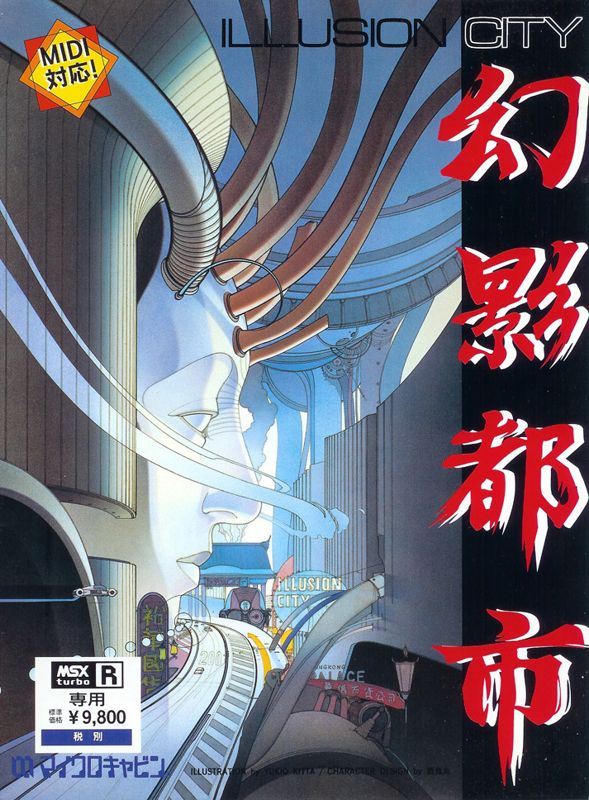
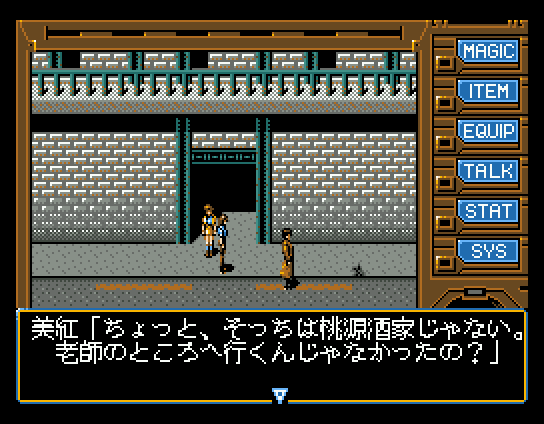
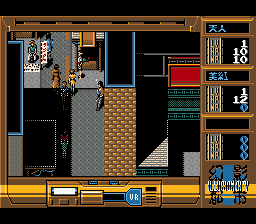
Illusion City: Gen’ei Toshi places you directly into the haunted streets of New Hong Kong, where exploration replaces the traditional overworld. Each district is densely packed with NPCs, side missions, and lore fragments, encouraging you to examine every corner. Conversations and clues gathered from locals guide your progress, making city traversal feel like an investigative thriller rather than a rote RPG routine.
(HEY YOU!! We hope you enjoy! We try not to run ads. So basically, this is a very expensive hobby running this site. Please consider joining us for updates, forums, and more. Network w/ us to make some cash or friends while retro gaming, and you can win some free retro games for posting. Okay, carry on 👍)
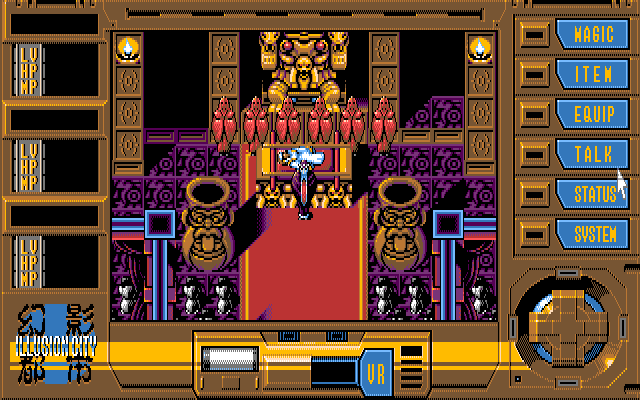
Combat unfolds in a turn-based system viewed from an “over-the-shoulder” perspective reminiscent of Phantasy Star II. Enemies roam visibly on the field, allowing you to pick and choose your battles. Whether you sneak past weaker fiends or engage elite demons head-on, this visible-enemy design removes the frustration of random encounters and adds a layer of strategic planning to every journey.
Party management is streamlined yet deep. You’ll control Tianren and two additional characters, each with unique weapon proficiencies that improve through repeated use. Firearms demand careful ammo management, while melee weapons scale with experience. Specialist techniques—healing, buffs, and offensive spells—are unlocked as characters level up, blending traditional JRPG progression with tactical resource allocation.
Side quests and main missions intertwine seamlessly: rescuing citizens infected by demonic plagues, sabotaging SIVA’s clandestine operations, or purging supernatural hotspots. Objectives often require backtracking through previously explored districts, but the game eases this with fast-travel options and concise mission logs. As you dive deeper into SIVA’s mysteries, gameplay pacing shifts between investigative downtime and high-stakes dungeon forays, offering a well-balanced rhythm.
Graphics
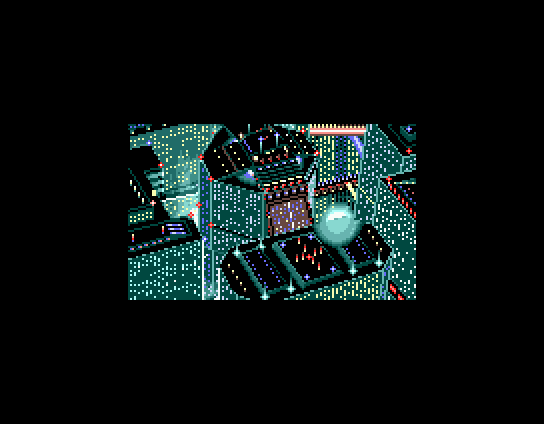
The visual design of Illusion City prioritizes realism over anime stylization, giving the war-ravaged metropolis a gritty, lived-in feel. Detailed textures capture the soot-stained walls, flickering neon signs, and crumbling underpasses of New Hong Kong. Day–night cycles and dynamic lighting bring a cinematic sheen to street corners and hidden alleys alike.
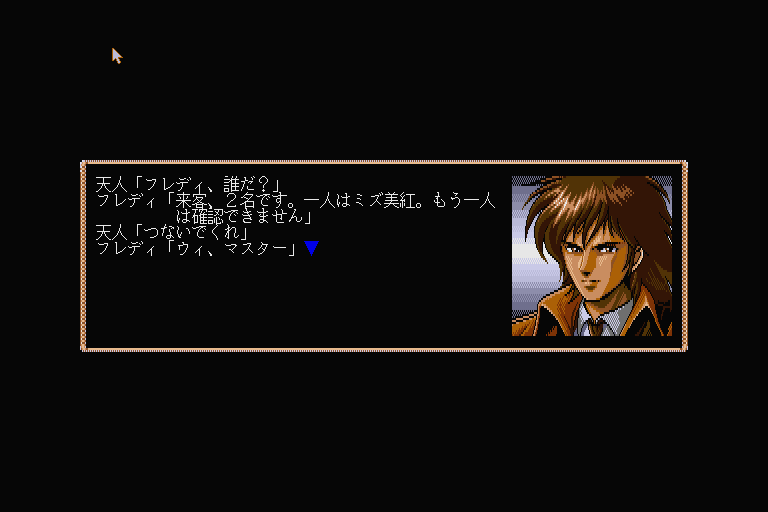
Character models reflect contemporary Western aesthetics more than typical JRPG archetypes. Proportions are realistic, attire is weathered, and facial animations convey subtle emotions during dialogue. Cutscenes and in-game conversations transition smoothly, minimizing jarring camera shifts and preserving immersion. Even minor NPCs display distinct mannerisms, reinforcing the impression of a city teeming with individual histories.
Enemies draw inspiration from Chinese mythology and horror motifs. Demonic entities twist and mutate in grotesque yet artful ways, their appearances hinting at the diseases that decimated Hong Kong after the “demon-coming crisis.” Boss encounters ramp up environmental spectacle, from collapsing hallways to flickering power grids, providing dramatic backdrops to your strategic battles.
Performance is solid on modern hardware, with stable frame rates even during intense urban skirmishes. Sound design complements the visuals, layering distant sirens, dripping water, and whispered chants into a cohesive aural tapestry. The game’s UI is clean, with mission prompts and map overlays that never obscure the richly detailed backgrounds.
Story
The narrative thrust of Illusion City hinges on a devastating event: the “demon-coming crisis” that reduced Hong Kong to a quarantined wasteland. Under the iron grip of the corporation SIVA, the city has been rebranded as an independent New Hong Kong. This geopolitical twist—backed by an agreement between China and the United Kingdom—sets the stage for a tale of corporate intrigue and supernatural warfare.
You play as Tianren, a “diver” or demon-hunter with a blank slate for origins. Raised alongside Meihong under the watchful eye of a wise Master, Tianren’s journey doubles as a search for identity and justice. The relationship between Tianren and Meihong provides emotional ballast, contrasting the sterile, corporate-controlled city with moments of heartfelt camaraderie.
The writing deftly blends cyberpunk elements and Chinese folklore. As you chase SIVA’s hidden agendas through mega-corporate skyscrapers and sacred temples, you encounter mythic beings from Chinese legend—each encounter revealing fragments of the world’s deeper mysteries. Dialogue choices steer relationships and occasionally unlock alternative mission paths, adding replay value for completionists.
Pacing is deliberate, with investigative stretches that reward patient exploration and high-tension climaxes in labyrinthine dungeons. While some exposition-heavy segments may challenge your attention span, they enrich the backstory of New Hong Kong and the enigmatic force behind the demonic onslaught. Overall, the story balances grand themes of corporate exploitation with personal quests for truth.
Overall Experience
Illusion City: Gen’ei Toshi stands out for its unique urban setting, realistic art direction, and seamless integration of investigation and combat. The absence of a traditional overworld fosters a sense of claustrophobic immersion—every street corner could hide an enemy ambush or vital clue. For players weary of random battles, the visible-enemy mechanic feels liberating and tactically engaging.
The learning curve is moderate: initial districts serve as training grounds for combat mechanics and exploration tools, while later areas demand mastery of ammo conservation and party synergy. Side quests are more than filler; they often reveal character backstories or unlock new techniques, encouraging thorough exploration. While the game’s text-heavy segments may deter some, they appeal to those who relish narrative depth.
Genre fans will appreciate the blend of Japanese-style RPG frameworks with Western visual sensibilities. The turn-based battles are familiar yet refined, leaning on strategy rather than button-mashing. Music and ambient soundscapes effectively heighten tension and underscore quieter moments, solidifying the game’s moody atmosphere.
Ultimately, Illusion City delivers a compelling package for players seeking a mature RPG experience rooted in urban mystery and supernatural intrigue. Its distinctive setting, thoughtfully crafted mechanics, and layered narrative combine to create a memorable journey through a city where every demon slain brings you closer to unraveling SIVA’s dark secrets.


Reviews
There are no reviews yet.