 Retro Replay Retro Replay gaming reviews, news, emulation, geek stuff and more!
Retro Replay Review
Gameplay
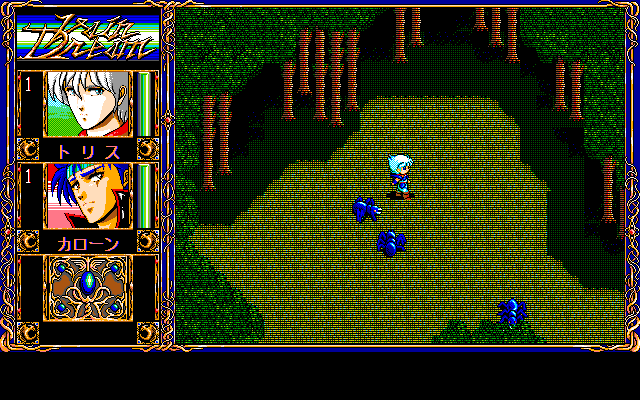
Vain Dream’s gameplay strikes a balance between classic turn-based conventions and innovative battlefield freedom. Instead of the usual static menus and hidden turn counters, each combat encounter unfolds on a grid-like arena where both your party and enemies move in real time. As you position your characters and time your actions, the system covertly calculates initiative, giving you the visceral thrill of quick decision-making without abandoning the strategic depth you expect from a Japanese RPG.
(HEY YOU!! We hope you enjoy! We try not to run ads. So basically, this is a very expensive hobby running this site. Please consider joining us for updates, forums, and more. Network w/ us to make some cash or friends while retro gaming, and you can win some free retro games for posting. Okay, carry on 👍)
Exploration adheres to a mostly linear path, guiding you from war-torn villages to ancient ruins in service of the unfolding plot. Hostile encounters appear as visible monsters on the overworld, allowing you to choose whether to engage or evade. This transparency reduces frustration from random battles, while the freedom to maneuver in dungeons and open fields rewards careful planning—especially when powerful foes lurk just beyond sight.
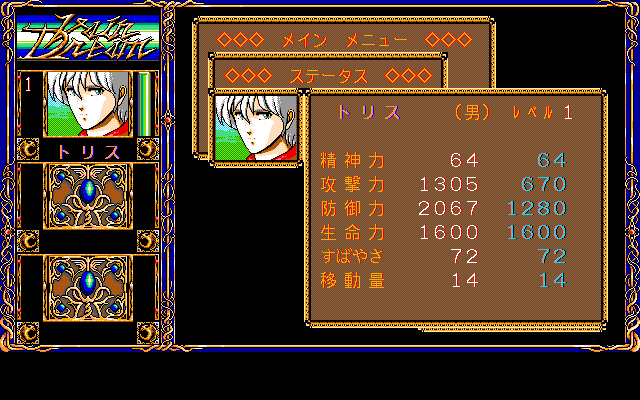
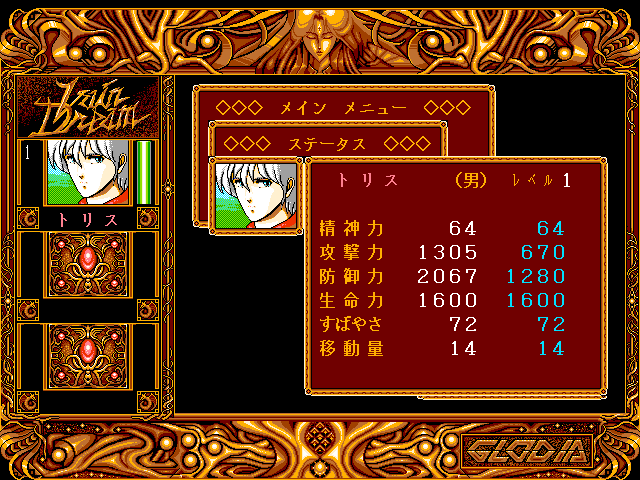
Character progression is straightforward but satisfying. As Tristram, Mel, and your growing roster of allies gain experience, they unlock new abilities tied to elemental affinities and magic schools. Equipment upgrades come at a measured pace, ensuring each sword, staff, or piece of armor feels like a meaningful milestone. The simplicity of the system means newcomers can dive in immediately, yet veterans will find enough depth to tinker with party compositions and spell rotations.
Graphics
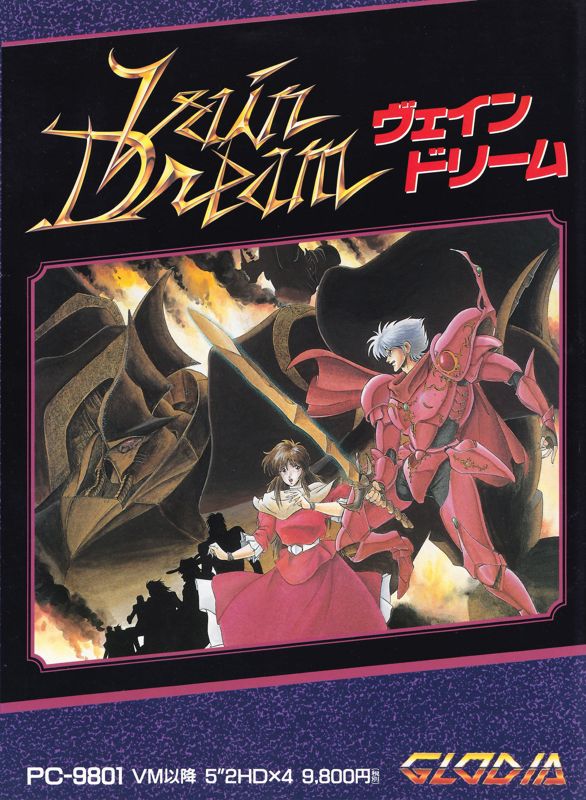
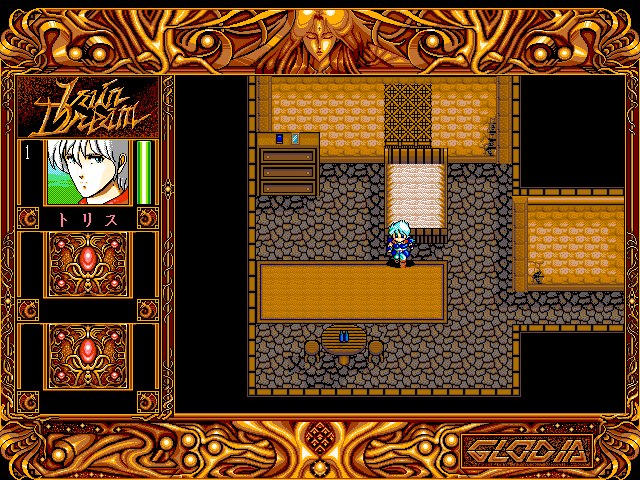
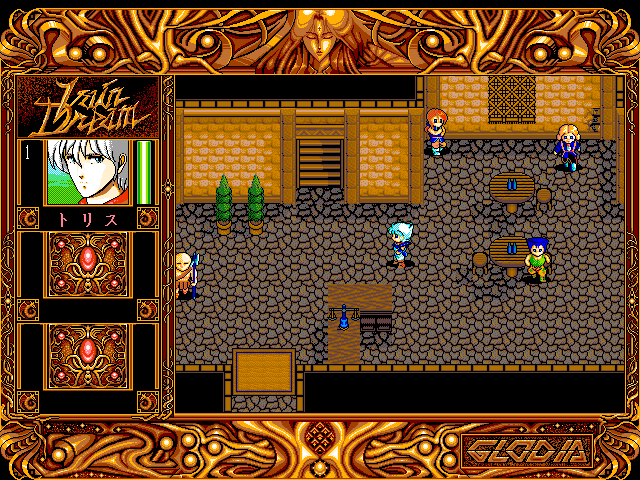
Visually, Vain Dream embraces a retro-inspired aesthetic reminiscent of 16-bit era classics. Detailed sprite work gives each character a distinct silhouette, from Tristram’s sturdy armor to Mel’s flowing robes. Enemy designs are equally varied, with demonic warlocks and twisted creatures rendered in rich palettes that stand out against the game’s pastoral backgrounds.
Backgrounds and environmental tiles demonstrate careful attention to thematic consistency. Ruined battlements, mist-shrouded forests, and the gleaming halls of Ellzerian temples all evoke a world on the brink of chaos. While animations are relatively simple—attack frames and spell effects don’t boast Hollywood-level flourish—they carry enough flair to make every fireball, sword slash, and healing ripple feel impactful.
Cutscenes blend static character portraits with text-based dialogue, punctuated by occasional zooms and fade-ins that heighten emotional beats. Though not fully animated, these sequences successfully convey the gravity of battles and the tenderness of quieter moments. The overall visual package may not compete with modern polygonal engines, but it delivers a charming, cohesive experience that complements the game’s nostalgic ethos.
Story
The narrative thrust of Vain Dream centers on an age-old struggle between the peaceful nation of Ellzeria and the demonic warlocks of Seljild. The goddess Ell’s protective aura has been shattered, leaving cities to fall one by one under enemy siege. As the tale opens, we meet Tristram—Ellzeria’s most valiant knight—gravely wounded and on the brink of death, only to be saved by Mel, a compassionate magician from distant Asrafil.
After three months of convalescence, Tristram’s return to health marks the start of their desperate bid to save Duma, the nation’s heart. The interplay between the steadfast knight and the spirited Mel forms the emotional core of the story, with side characters adding layers of intrigue. Allies wrestle with loss, doubt, and betrayal, while the dark machinations of Seljild’s warlocks reveal deeper stakes than mere conquest.
True to its Japanese RPG heritage, Vain Dream unspools its plot at a measured pace. Side quests and optional dialogue deepen your understanding of the game world, though the overall path remains relatively linear. Still, pivotal moments—such as the revelation of Seljild’s ultimate objective and the sacrifices demanded of Ellzeria’s defenders—are handled with surprising poignancy, leaving a lasting impression long after the credits roll.
Overall Experience
Vain Dream may wear its retro inspiration on its sleeve, but it delivers a modern sense of engagement through its battlefield freedom and clear visual storytelling. The game’s approachable mechanics and visible encounters lower the barrier to entry, while the subtle innovation in turn resolution keeps battles feeling fresh and dynamic. It’s a rewarding journey for those who appreciate thoughtful strategy without getting bogged down by overly complex systems.
The graphics and sound design work hand in hand to evoke a world in turmoil, and while the presentation isn’t cutting-edge, it exudes a timeless charm that fans of classic JRPGs will instantly recognize. Dialogue-driven cutscenes strike the right emotional notes, and the interplay between Tristram and Mel provides a heartfelt throughline amid the larger conflict. Secondary characters and subplots add texture without overwhelming the main narrative.
Ultimately, Vain Dream stands out as a heartfelt ode to traditional Japanese role-playing games, infused with enough unique mechanics to keep seasoned players intrigued. Whether you’re drawn by its compelling storyline, strategic combat, or evocative pixel art, this title offers a cohesive, enjoyable experience that honors the past while forging its own path. It’s a solid choice for anyone seeking an RPG adventure that balances nostalgia with innovation.


Reviews
There are no reviews yet.