 Retro Replay Retro Replay gaming reviews, news, emulation, geek stuff and more!


Retro Replay Review
Gameplay
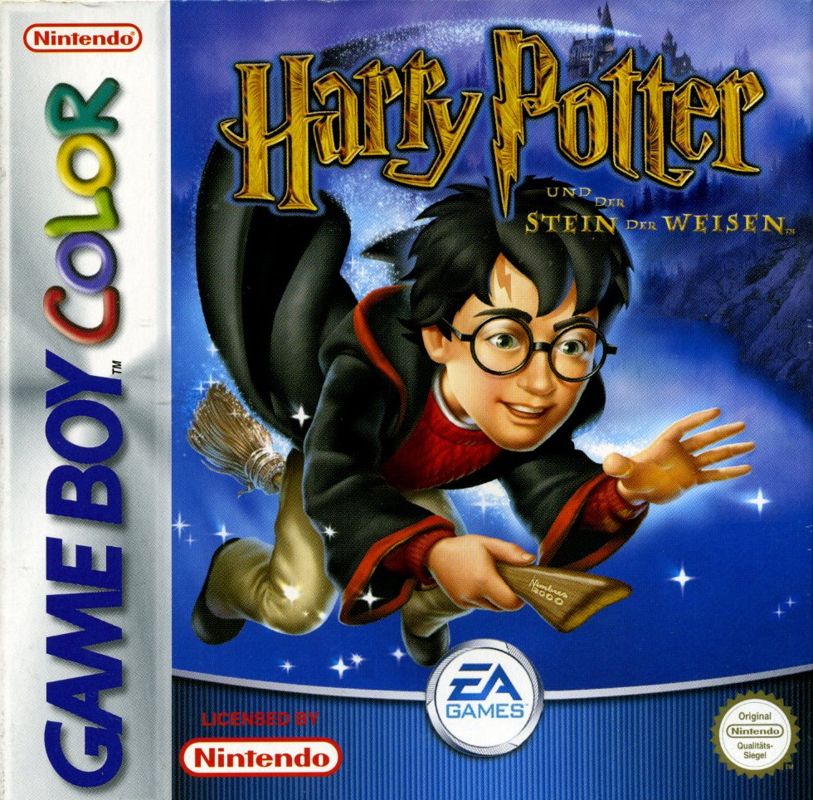
Harry Potter and the Sorcerer’s Stone on Game Boy Color adopts a classic role-playing structure, guiding players through the iconic first year at Hogwarts. You control young Harry as he undertakes a series of quests that mirror key moments from the book and movie. From retrieving a lost owl to escorting classmates, each mission feels purpose-built to deepen immersion in Rowling’s magical world.
(HEY YOU!! We hope you enjoy! We try not to run ads. So basically, this is a very expensive hobby running this site. Please consider joining us for updates, forums, and more. Network w/ us to make some cash or friends while retro gaming, and you can win some free retro games for posting. Okay, carry on 👍)
Combat is turn-based, allowing you to strategize which spells to unleash against an array of creatures—from mischievous Cornish pixies to fearsome mountain trolls. As Harry gains experience points, he levels up and learns new spells, encouraging experimentation and thoughtful resource management. Magical duels become a rewarding puzzle: should you drain an enemy’s stamina, defend against a hex, or blast them with the powerful “Expelliarmus”?
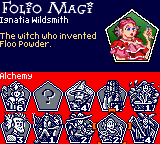
One of the standout mechanics is the Famous Witches and Wizards Collector’s Cards system. Scattered throughout Hogwarts, these cards can be combined in combat to trigger special effects, such as healing Harry or summoning spectral allies. Hunting down card packs adds an exploratory thrill, turning every corridor and classroom into a potential treasure hunt.
The game also integrates potion-brewing and item-crafting elements. Ingredients collected in the castle grounds can be mixed in predetermined recipes, making potions that restore health or magic points. This layer of alchemy adds depth to the RPG formula, rewarding thorough exploration and careful inventory management.
Interspersed among the main story quests are several mini-games that unlock once discovered in the main adventure. Whether you’re playing a trivia challenge in the common room or racing broomsticks against friends, these diversions offer a fun change of pace. They can be revisited from the main menu, extending replay value and giving casual players a quick bite of Hogwarts life.
Graphics
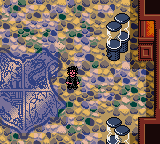
On the Game Boy Color’s modest hardware, Harry Potter and the Sorcerer’s Stone delivers surprisingly detailed visuals. The top-down perspective of Hogwarts is rendered in a bright, charming color palette, evoking the familiar ambiance of the castle’s corridors, courtyards, and classrooms. Though limited to a handful of simultaneous colors, each area has its own palette that feels distinct.
Character sprites, including Harry, Ron, Hermione, and a host of magical creatures, are small but expressive. Animations for spellcasting and combat effects make battles feel dynamic, despite the hardware’s constraints. Simple yet effective particle effects—like swirling sparkles for healing spells or bold flashes for curses—add flair to key moments.
Environmental details, such as floating candles in the Great Hall or creeping vines in the greenhouses, contribute to the sense of place. NPCs have varied looks and clothing, reinforcing the feeling that Hogwarts is teeming with students and professors. Loading screens featuring iconic symbols—like the Hogwarts crest—help set the atmosphere between chapters.
Menus and inventory screens are cleanly laid out, with easily readable text and intuitive icons. The card-collection interface in particular is well-designed, showcasing each card’s illustration and description without feeling cramped. Navigating between menus, checking quests, and reviewing spells is a smooth experience, which is crucial on a handheld platform.
While the graphics won’t compare to console or PC versions, they strike a fine balance between clarity and charm. Fans of pixel art will appreciate the attention to detail, and younger players will find the visuals accessible and engaging. In short, the modest sprite work and color choices capture just enough of the magical world to fuel players’ imaginations.
Story
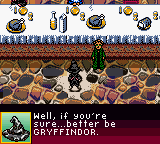
Harry Potter and the Sorcerer’s Stone faithfully adapts the first year of J.K. Rowling’s beloved saga, sticking closely to the narrative beats of both the novel and the film. Players witness Harry’s journey from cupboard-under-the-stairs orphan to budding young wizard, encountering familiar events like Diagon Alley shopping, the Sorting Hat ceremony, and the discovery of the Mirror of Erised.
The game’s writing leans into light, witty dialogue that captures the personalities of key characters. Interactions with Ron and Hermione feel genuine, and Professor Snape’s curt remarks add a note of tension. While some conversations are trim due to cartridge size limits, each exchange manages to convey the warmth, humor, or mystery you’d expect from Hogwarts’ inhabitants.
Main quests and side-quests alike tie back into the larger plot, often foreshadowing the climactic confrontation with Professor Quirrell. Unlocking hidden areas—like the restricted section of the library or the depths beneath the castle—encourages players to soak up lore and piece together the game’s overarching mystery about the Sorcerer’s Stone itself.
Though the narrative unfolds at a measured pace, the RPG progression keeps the story moving. Level-ups and new spells correspond to key milestones, ensuring that gameplay and plot feel interconnected. Even younger gamers, who may not have read the book or seen the film, can follow Harry’s transformation from wide-eyed novice to confident defender of Hogwarts.
By the time the final showdown arrives, players are invested in Harry’s growth and the fate of the magical world. The sense of accomplishment isn’t just tied to battle victories, but also to the narrative closure of thwarting Voldemort’s early attempt at resurrection. It’s a satisfying conclusion that leaves room for hope and anticipation of future adventures.
Overall Experience
Harry Potter and the Sorcerer’s Stone on Game Boy Color offers a robust and surprisingly deep RPG experience for a handheld title. Fans of the Potter universe will appreciate its faithful storytelling, charming sprite work, and the breadth of activities—from brewing potions to collecting magical cards. The ability to roam an explorable Hogwarts grounds creates a genuine sense of discovery.
Combat and resource management provide enough strategic depth to engage older players, while the intuitive controls and clear objectives ensure accessibility for younger audiences. The turn-based battles and collectible cards add variety to the quest-oriented gameplay, preventing it from becoming monotonous even after hours of play.
Mini-games scattered throughout offer welcome breaks from the main storyline, delivering bite-sized fun that can be revisited later. These diversions bolster replay value and give players a chance to master side challenges separate from the quest-driven core.
Minor drawbacks include some repetitive enemy encounters and occasional backtracking through similar corridors, but these are common to the genre and don’t detract significantly from the overall fun. The game’s pacing is deliberate, allowing you to savor each magical detail without feeling rushed or overwhelmed.
Ultimately, Harry Potter and the Sorcerer’s Stone for Game Boy Color stands as a testament to creative design on limited hardware. It captures the spirit of Hogwarts, delivers engaging RPG mechanics, and tells a timeless story in a format that remains delightful decades after its release. Whether you’re a longtime fan or new to the Wizarding World, this game is a worthy addition to any handheld gaming library.



Reviews
There are no reviews yet.