 Retro Replay Retro Replay gaming reviews, news, emulation, geek stuff and more!
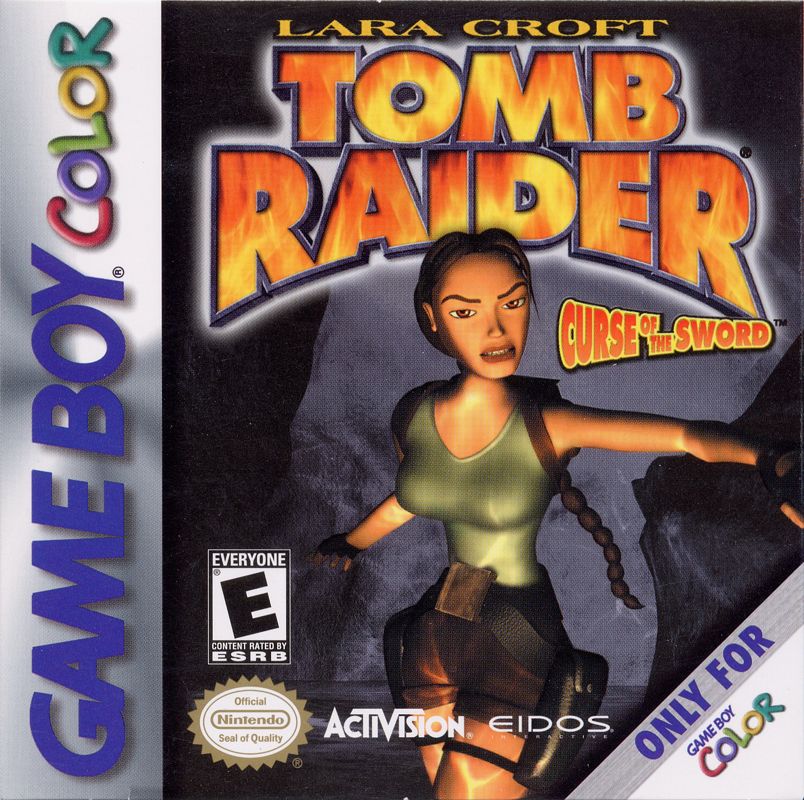
Retro Replay Review
Gameplay
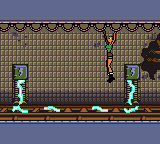
The gameplay in Lara Croft: Tomb Raider – Curse of the Sword remains faithful to the action-adventure spirit of the series, with Lara traversing five expansive environments. From the neon-lit museum halls in Manhattan to the tangled rooftops of Soho, each area is packed with secrets, hidden passages, and environmental puzzles that reward patient exploration. Rope climbing and ledge jumping are as tactile and precise as ever, ensuring that every leap feels deliberate and earned.
(HEY YOU!! We hope you enjoy! We try not to run ads. So basically, this is a very expensive hobby running this site. Please consider joining us for updates, forums, and more. Network w/ us to make some cash or friends while retro gaming, and you can win some free retro games for posting. Okay, carry on 👍)
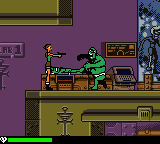
In addition to the classic platforming mechanics, Curse of the Sword introduces fresh challenges such as boss battles that break up the exploration with high-stakes encounters. These boss fights demand quick reflexes and pattern recognition, pushing players to master Lara’s dodge rolls and varied arsenal. Whether you’re facing off against cunning thieves or supernatural guardians, each showdown offers a unique test of skill.
Demolition sequences add another layer of variety, requiring players to strategically place and ignite explosives to clear blocked paths or trigger environmental changes. These sections blend puzzle-solving with a sense of cinematic tension, as you race against the clock to set charges and get to safety before structures collapse.
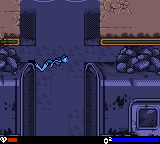
Perhaps the most surprising addition is the submarine piloting segment, which takes Lara underwater to explore submerged ruins and dodge aquatic hazards. This change of pace not only showcases the developers’ willingness to experiment but also extends the gameplay variety, making the adventure feel more dynamic and less repetitive.
Graphics
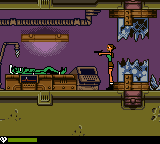
On the Game Boy Color hardware, Curse of the Sword delivers impressively detailed sprites and richly textured backdrops. Each of the five locales has its own distinct color palette and architectural style—Manhattan’s marble columns give way to Soho’s brick chimneys, which transition seamlessly into the grimy tunnels of the subway. This visual diversity keeps exploration feeling fresh as you move from one environment to the next.
The character animations are fluid, especially Lara’s signature roll and jump sequences. Even with the system’s limitations, the game manages to convey weight and momentum, making leaps and falls feel authentic. Enemy designs are equally varied, from street thugs to marine creatures, each rendered with enough detail to be immediately recognizable and intimidating.
Special effects like explosions and water ripples are handled with flair, considering the platform’s constraints. When detonating charges during a demolition sequence, you’ll see debris scatter realistically, and during submarine dives, the screen darkens and pulses to evoke the pressure of the deep sea. These touches elevate the visual presentation above many handheld contemporaries.
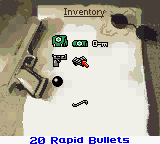
The user interface is clean and unobtrusive, placing health, ammunition, and item counts in corners without obscuring the action. Camera angles remain fixed but intelligently framed, ensuring you rarely lose sight of important platforms or hazards. Overall, the graphics strike a solid balance between aesthetic ambition and technical feasibility.
Story
The narrative of Curse of the Sword unfolds with a classic Tomb Raider twist: Lara has been afflicted with a mysterious curse after a museum heist gone wrong. This personal stake propels her across five major locations, creating a sense of momentum that drives the player forward. Each environment reveals clues about the curse’s origins and the thieves’ ultimate goal, weaving exploration seamlessly into storytelling.
The plot effectively uses the shifting backdrops to introduce new characters and challenges. In Manhattan, you investigate the first signs of the curse while battling museum guards. Soho’s rooftops bring you in pursuit of the culprits, and the subway tunnels delve into the underbelly of New York both literally and figuratively. By the time you reach Bermuda, the stakes have escalated to a full-scale showdown at the thieves’ hideout.
Dialogue is brief but purposeful, delivered through on-screen text and occasional cutscenes that punctuate major milestones. While not as cinematic as the console entries, these interludes provide just enough context to keep the story coherent without bogging down the action. The pace remains brisk, ensuring players stay focused on the thrill of discovery rather than exposition.
Moreover, the curse mechanic ties directly into the gameplay, offering a clever integration of narrative and mechanics. As Lara’s condition worsens, you gain access to certain supernatural abilities—but at the risk of health depletion—forcing strategic use of power-ups and health packs. This design choice deepens immersion and keeps you invested in both Lara’s fate and the underlying mystery.
Overall Experience
Lara Croft: Tomb Raider – Curse of the Sword stands out as one of the strongest handheld entries in the series. Its combination of varied level design, solid platforming controls, and inventive gameplay segments like demolitions and submarine piloting make for a well-rounded experience that rarely feels repetitive. Each area presents new challenges and visual styles, ensuring that players remain engaged from start to finish.
The balance between exploration, combat, and puzzle-solving is finely tuned, catering to both series veterans and newcomers. Longtime fans will appreciate the faithful recreation of Lara’s moveset and the nods to familiar Tomb Raider tropes, while handheld gamers will enjoy the self-contained adventure that doesn’t require previous knowledge of the series’ extensive lore.
Technical performance is smooth, with quick load times and responsive controls that rarely falter, even during hectic action sequences. The soundtrack and sound effects complement the on-screen drama, with atmospheric tunes in the Bermuda finale and urgent beats during pursuit scenes in the subway.
Ultimately, Curse of the Sword offers an engaging, portable twist on the Tomb Raider formula. Its blend of classic mechanics and fresh ideas—wrapped in a cohesive, satisfying story—makes it a standout title for the Game Boy Color and an essential pick for any Lara Croft enthusiast looking to adventure on the go.


Reviews
There are no reviews yet.