 Retro Replay Retro Replay gaming reviews, news, emulation, geek stuff and more!
Retro Replay Review
Gameplay
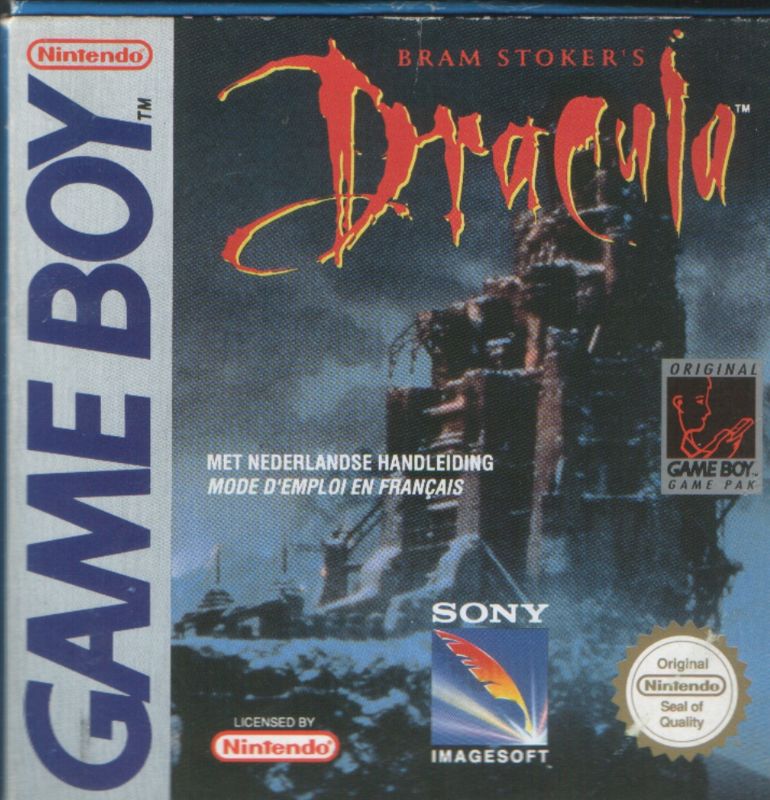
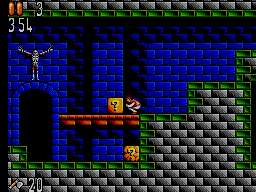
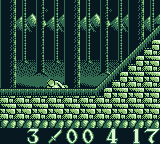
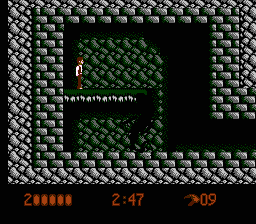
The core of Bram Stoker’s Dracula is its tight side-scrolling action that sees Jonathan Harker traversing varied environments, from the eerie corridors of Dracula’s castle to the fog-shrouded streets of Victorian London. Movement feels responsive, with precise jumps and a satisfyingly weighty attack system. Players begin with a simple knife but can expand their arsenal by smashing question-mark boxes, gaining access to ranged weapons like daggers, axes, and even a shotgun. These pickups not only diversify combat but also encourage a bit of exploration to uncover hidden platforms and bonus areas.
(HEY YOU!! We hope you enjoy! We try not to run ads. So basically, this is a very expensive hobby running this site. Please consider joining us for updates, forums, and more. Network w/ us to make some cash or friends while retro gaming, and you can win some free retro games for posting. Okay, carry on 👍)
One of the game’s most distinctive features is its split-stage design: a “Daytime” section followed by a more challenging “Nighttime” counterpart. Each offers unique layouts and enemy placements, effectively doubling the content without feeling repetitive. The clock-based timer adds a subtle layer of urgency, forcing you to weigh exploration against speed. Boss encounters at the end of Nighttime levels provide memorable set-pieces, demanding mastery of your current weapon and careful pattern recognition to survive.
While the controls are generally solid, occasional pixel-perfect jumps can test your patience. The collision detection is forgiving enough for most platformers of the era, but a mistimed leap can still send you back to the level’s start. Checkpoint placement is generous enough to keep the experience flowing, though die-and-retry sequences can feel punishing during later, more frantic stages. Overall, the gameplay loop of finding new weapons, exploring hidden nooks, and toppling grotesque bosses remains engaging throughout the journey.
Graphics
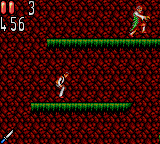
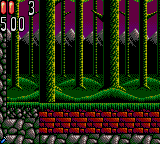
Bram Stoker’s Dracula embraces a moody 16-bit aesthetic that successfully captures the gothic horror vibe of the film. Character sprites are well-detailed, with Jonathan Harker sporting a convincing Victorian silhouette, and the various monsters—from bats to giant spiders—are rendered with enough animation frames to convey lifelike movement. Backgrounds shift seamlessly from haunted castle walls to London’s foggy streets, layered to give a genuine sense of depth as you progress.
The Daytime levels are executed in muted, earthy tones, highlighting crumbling stonework and creeping vines, while the Nighttime stages plunge into stark contrasts of black and crimson. This palette shift not only reinforces the narrative duality but also keeps the eye engaged as you tackle each new section. Visual effects such as flickering torches, drifting mist, and flickers of lightning add atmosphere without obscuring gameplay clarity, a testament to smart design choices within the hardware’s limitations.
Boss designs stand out as graphical highlights, often taking up a good portion of the screen and featuring multi-part animations that ramp up tension. Whether you’re battling the four-armed pantheon beast or a giant vampiric wolf, each encounter feels distinct and visually impressive for its time. Though the resolution may look dated by modern standards, the overall presentation remains charming and evocative, appealing especially to retro-gaming enthusiasts.
Story
Drawing loosely from the 1992 film, Bram Stoker’s Dracula places players in the boots of Jonathan Harker on his perilous quest to save Mina and eliminate the titular vampire lord. While the game does not attempt to retell every cinematic beat, it weaves a concise narrative through brief cutscenes and stage introductions, setting clear objectives and maintaining forward momentum. The emphasis is squarely on action, but the occasional text card or animated vignette provides enough context to keep fans of the film engaged.
Levels correspond to key locations from the movie—Transylvanian forests, Castle Dracula’s cryptic halls, and the foggy streets of London—establishing a familiar backdrop for the unfolding drama. Narrative exposition is sparse but effective, relying on environmental storytelling and the contrast between serene Daytime areas and the malevolent Nighttime. This dichotomy subtly reflects the encroaching power of Dracula’s influence as Harker delves deeper into enemy territory.
Although character interactions are limited, the sense of urgency in Harker’s mission is conveyed through tight time limits and increasingly perilous encounters. The pacing keeps players moving forward, seldom lingering on lore for too long. While purists seeking a faithful film adaptation might find the storyline streamlined, the game strikes a reasonable balance between narrative coherence and nonstop, pulse-raising gameplay.
Overall Experience
Bram Stoker’s Dracula delivers a compelling 16-bit experience that successfully blends platforming precision with gothic horror flair. Its well-paced levels, varied enemy roster, and atmospheric visuals make for an engaging ride from the eerie gates of Transylvania to the fog-laden rooftops of London. The split-stage design adds structural variety, and the boss battles provide satisfying climaxes that reward both skill and patience.
While the graphics and sound may show their age to modern audiences, the game’s design principles remain intact: clear controls, meaningful risk-reward decisions, and a strong sense of progression. The challenge curve is steady, with later levels demanding more refined tactics and quick reflexes, but generous checkpoints and weapon power-ups keep frustration at bay. This makes it accessible for both seasoned retro gamers and newcomers curious about video game history.
In the end, Bram Stoker’s Dracula stands as a solid adaptation of its cinematic source material—a game that may not revolutionize the genre but certainly offers a polished, entertaining side-scrolling adventure. For fans of classic platformers or those intrigued by gothic horror themes, this title remains a worthwhile journey into the dark heart of vampiric legend.


Reviews
There are no reviews yet.