 Retro Replay Retro Replay gaming reviews, news, emulation, geek stuff and more!


Retro Replay Review
Gameplay
Super Robot Taisen’s gameplay stands out from its successors by treating each mecha as a living, breathing entity rather than a mere piloted machine. The absence of human pilots gives the title a unique twist: you’re managing the moods and strengths of sentient robots themselves. This change in perspective lends an intriguing layer to the tactical decisions, especially when it comes to negotiation commands versus all-out attacks.
(HEY YOU!! We hope you enjoy! We try not to run ads. So basically, this is a very expensive hobby running this site. Please consider joining us for updates, forums, and more. Network w/ us to make some cash or friends while retro gaming, and you can win some free retro games for posting. Okay, carry on 👍)
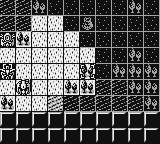
On the battlefield, you’ll deploy your units on a grid-based map dotted with varied terrain types—plains, forests, mountains, seas and bases. Movement, attack, status checks and special commands are all accessed through context-sensitive menus triggered by simply highlighting a unit and pressing the action button. This straightforward interface is familiar territory for SRPG veterans, but the added option to negotiate with enemy units injects an unexpected diplomatic dimension. Wounded foes may become allies if you time your negotiations right, adding a risk-reward element that is virtually nonexistent in later entries of the series.
Experience points and upgradeable leader mechanics further deepen the strategic layer. Each robot earns XP through kills, and leveling up increases all core stats—speed, force, armor, HP and SP. One unit must be chosen as your team leader, allowing you to allocate bonus points to customize its progression. Lose the leader in battle, and it’s game over. This high-stakes requirement pushes you to carefully weigh offense and defense, and makes every decision on the grid feel meaningful.
Resource management is also key. Spiritual Power (SP) functions like MP in an RPG, powering special “spiritual commands” that can buff allies, debuff opponents or manipulate battlefield variables like terrain effects. Recovering HP requires ferrying units to friendly bases, which also dispense useful power-up items between scenarios—new weapons, enhanced shields and more. Since destroyed units aren’t automatically repaired after missions, your reliance on negotiation and triage tactics becomes critical, creating tense moments where one wrong move could cost you a prized mecha forever.
Graphics
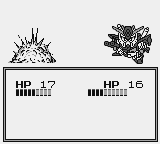
Graphically, Super Robot Taisen is a product of its time, displaying primitive yet charming visuals that laid the groundwork for the series’ later technical leaps. Battle animations are notably basic: don’t expect sweeping camera pans or flashy transformation sequences. Instead, you’ll see static sprites that fire lasers, bullets and beam attacks with minimal movement—an aesthetic that might feel limited to modern eyes but holds nostalgic value for retro enthusiasts.
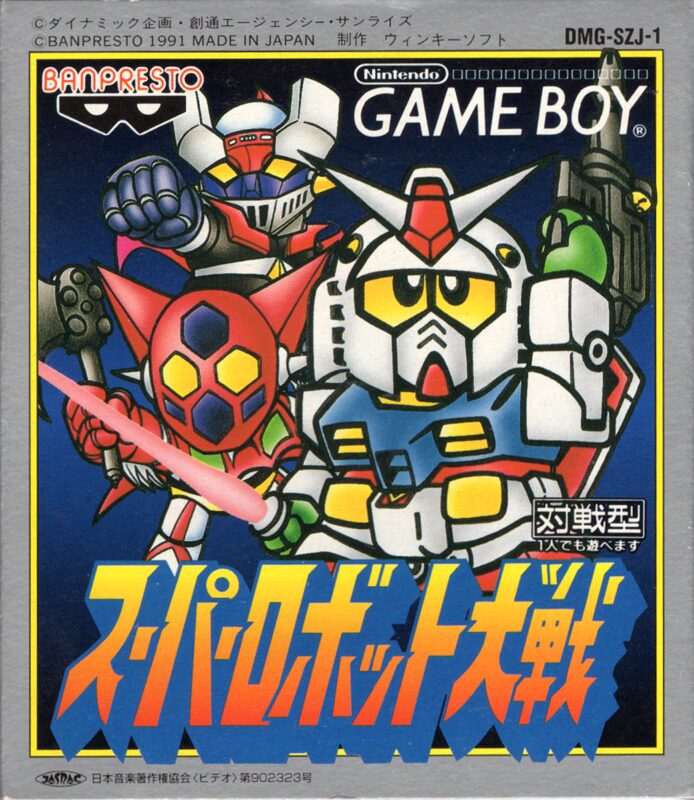
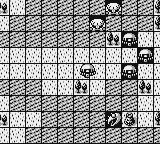
The color palette is bright and cheerful, ensuring each unit stands out clearly on the terrain grid. Plains are rendered in soft greens, forests in deep, blocky foliage and bases in stark grays, making navigation intuitive. The enemy sprites mirror the licensed designs from Sunrise and Dynamic franchises, so fans of Gundam, Mazinger and Getter Robo will appreciate spotting their favorite machines in crisp, recognizable form despite the Game Boy’s hardware limitations.
Map backgrounds are simplistic but serve their purpose, providing enough variation to keep each stage visually distinct. While the pixel art lacks the polish and fluidity of later handheld titles, it effectively conveys unit status changes—shields flickering when hit, mecha staggering under heavy blows—through judicious use of color flashes and sprite toggling. For retro SRPG collectors, these graphics work in harmony with the gameplay, evoking a sense of old-school charm.
Story
Super Robot Taisen’s narrative is as unconventional as its mechanics, placing sole focus on sentient robots who dwell on the mysterious Planet of Super Robots. The opening cinematic, though rudimentary, sets the stage: a cosmic entity known as Gil Gil Gan invades, usurping the will of most inhabitants and plunging the planet into chaos. There are no human pilots to rally behind—only the mecha themselves, making for a storytelling approach that feels fresh compared to other mecha games of its era.
The plot unfolds through scenario briefs and occasional intermission screens, giving players just enough context to appreciate the shifting alliances. Since you choose one of three licensed teams—Gundam, Mazinger or Getter Robo—the narrative remains modular, branching slightly based on your initial choice. The negotiation mechanic doubles as a plot device: turning enemy units into allies reveals hidden backstories and suggests that many adversaries were merely victims of Gil Gil Gan’s control rather than true foes.
Although the story lacks deep character development due to the absence of human protagonists, it compensates with atmosphere. The looming threat of Gil Gil Gan heightens every skirmish, transforming tactical victories into small triumphs in a larger war. Fans of licensed robots will delight in seeing iconic mecha interact under a unified conflict, even if dialogue is sparse and exposition relies heavily on player imagination.
Overall Experience
As the inaugural title in the Super Robot Taisen franchise, this game lays a solid strategic foundation while experimenting with narrative and mechanical twists that set it apart from its descendants. The blend of grid-based tactics, negotiation options and RPG-like leveling provides a robust challenge. Its steep difficulty curve and permadeath for leader units demand patience and careful planning but deliver a rewarding sense of accomplishment when missions succeed.
Visually, the game’s pixel art and limited animations may not impress contemporary gamers, yet they carry a nostalgic warmth that many retro enthusiasts will find endearing. The map designs are functional, the sprites are recognizable and the absence of flashy effects keeps the focus squarely on tactical choices. Paired with the unique story premise of autonomous mecha, the graphics serve the gameplay rather than overshadow it.
For potential buyers seeking a bite-sized introduction to the SRPG genre or long-time series fans curious about the origins of Super Robot Taisen, this first installment offers an engaging, if old-school, experience. Its interface feels intuitive, its strategic depth remains intact and its unusual storytelling approach ensures it stands out among early handheld titles. While it lacks modern conveniences like auto-heal or voiceovers, it compensates with sheer tactical ingenuity and a nostalgic charm that continues to resonate more than two decades later.


Reviews
There are no reviews yet.