 Retro Replay Retro Replay gaming reviews, news, emulation, geek stuff and more!




Retro Replay Review
Gameplay
Madō Monogatari II: Arle 16-sai preserves the core dungeon‐crawling mechanics fans love, dropping you into labyrinthine corridors viewed through a first‐person perspective. Navigation feels intuitive yet suspenseful—each turn might unleash a hidden trap or a sudden monster rush. The mapping feature is minimalist, encouraging you to sketch your own notes or rely on memory. This design choice heightens immersion, forcing you to pay keen attention to every wall texture and corridor intersection as you guide Arle through the prison’s depths.
(HEY YOU!! We hope you enjoy! We try not to run ads. So basically, this is a very expensive hobby running this site. Please consider joining us for updates, forums, and more. Network w/ us to make some cash or friends while retro gaming, and you can win some free retro games for posting. Okay, carry on 👍)
The random encounter system remains as unpredictable as ever. With every step, you risk running into Slimes, Penetans, or other mischievous creatures that challenge your strategic instincts. Battles are turn‐based and spell‐driven: Arle cannot swing a sword or block with a shield. Instead, she relies on elemental magic—Fireball, Ice Spear, and Thunderbolt among others. Mastering each spell’s area of effect, damage profile, and MP cost is essential. Since there’s no on‐screen health counter for Arle, you must gauge her vitality by her demeanor and heartbeat echoing in the dungeon corridors.
Resource management adds extra tension. Magic points regenerate only at rare healing fountains, and restorative items are in limited supply. The thrill of pressing forward with dwindling MP and scarce recovery potions creates a palpable sense of risk. You’ll learn to retreat strategically or deploy crowd‐control spells that freeze or confuse groups of enemies. This nuance transforms routine battles into tactical puzzles, rewarding players who adapt on the fly and plan their spell rotations carefully.
Graphics
Though rooted in early 1990s hardware, Madō Monogatari II’s visuals hold a distinctive charm. The 3D dungeon walls consist of blocky textures and simple color schemes, yet they effectively convey a foreboding, claustrophobic atmosphere. Flickering torchlight and damp stone surfaces bring the prison to life. Each corridor corner looks sufficiently different to help you orient yourself, a testament to the artists’ clever use of limited tile sets.
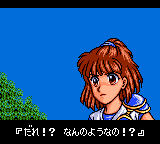
Character portraits and monster sprites are vividly drawn, injecting personality into every encounter. Arle’s expressive face changes from determined to alarmed as her MP wanes, while monsters gape and recoil in exaggerated fashion when struck by spells. These hand‐drawn illustrations stand in sharp contrast to the geometric dungeon passages, offering a visual reward after navigating repetitive corridors.
Special effects for spells are simple but impactful. Fireballs blossom into animated bursts of orange and red, ice magic swirls in pale blue arcs, and lightning crackles with bright yellow flashes. These animations may not compete with modern titles, but their clarity ensures you always know what’s happening in battle. Combined with crisp sound effects—crackling flames, clanking chains, distant roars—the graphics elevate the game’s ominous dungeon vibe.
Story
Eleven years after her triumph as a budding magician, Arle Nadja returns in Madō Monogatari II as a more seasoned—but still resourceful—protagonist. She’s matured into a confident 16‐year‐old, yet her past lessons in magic remain vivid. The narrative kicks off when a mysterious young man casts a powerful spell on her, abruptly plunging her into captivity. This hook immediately raises questions: Who is this stranger? What is his motive? And why is Arle so crucial to his plans?
As you explore the sprawling prison dungeon, the game drip‐feeds answers through environmental storytelling. Scribbled notes on cell walls hint at previous prisoners’ fates, while cryptic runes suggest a deeper conspiracy. Encounters with imprisoned NPCs enrich the plot, offering side tasks that reveal hidden aspects of Arle’s world. These subplots, though brief, add emotional weight—each rescued ally brings a piece of backstory that fleshes out the stakes.
The climax gradually unfolds in a series of layered boss battles and puzzle rooms. Dialogue scenes—enhanced by charming character portraits—underscore Arle’s growth from determined student to resilient heroine. While the primary storyline is straightforward revenge and escape, the game sprinkles in touches of humor and camaraderie. These moments balance the oppressive dungeon gloom and remind players why they’ve fallen in love with Arle’s spunky spirit.
Overall Experience
Madō Monogatari II: Arle 16-sai is a satisfying blend of nostalgic dungeon‐crawling and spell-centric combat. Its tight pacing ensures that you’re always engaged—whether you’re deciphering a cryptic map or selecting the perfect elemental attack. The absence of on-screen HP forces you to stay alert, transforming each encounter into a mini challenge of perception and risk assessment.
The game’s audiovisual package may feel dated by today’s standards, but it carries a timeless appeal for fans of retro RPGs. The evocative sprite work, moody dungeon designs, and succinct magic animations all contribute to a cohesive atmosphere. For newcomers, the lack of modern conveniences like auto-mapping or quest logs might pose a hurdle. However, these design decisions serve the game’s old‐school ethos, rewarding players who appreciate a hands‐on approach to exploration and strategy.
Ultimately, Madō Monogatari II strikes a fine balance between approachable storytelling and deep gameplay mechanics. Arle’s journey from captive to conqueror is both engaging and heartfelt. If you’re drawn to first‐person dungeon adventures with a strong magical theme, this title merits a place on your shelf. It’s a compelling reminder of an era when every torchlit hallway hinted at secrets just waiting to be uncovered.



Reviews
There are no reviews yet.