 Retro Replay Retro Replay gaming reviews, news, emulation, geek stuff and more!
Retro Replay Review
Gameplay
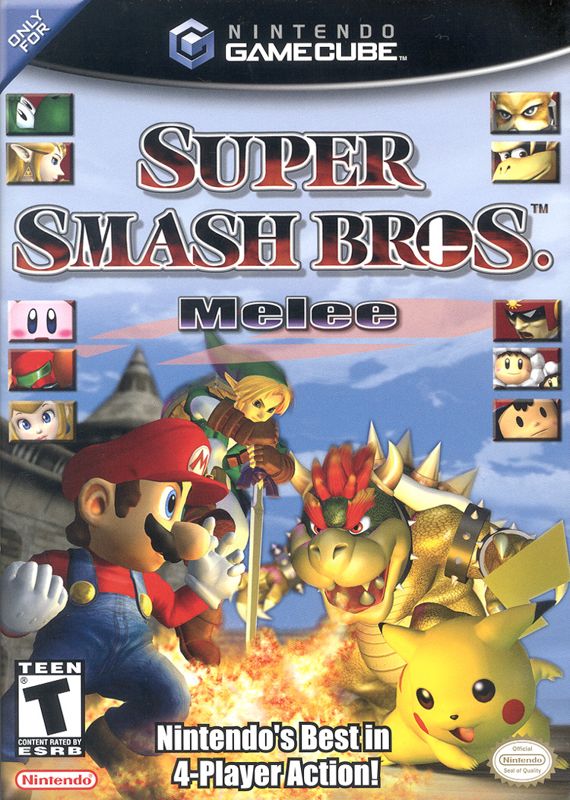
Super Smash Bros. Melee refines the groundbreaking formula of its N64 predecessor into a lightning-fast, deeply satisfying fighting experience. Matches still revolve around knocking opponents off the stage rather than depleting a life bar, but Melee’s tighter hit detection and expanded move sets bring a new level of precision. Every character’s unique specials, aerial combos, and recovery options feel balanced and responsive, rewarding both newcomers and veteran competitors.
(HEY YOU!! We hope you enjoy! We try not to run ads. So basically, this is a very expensive hobby running this site. Please consider joining us for updates, forums, and more. Network w/ us to make some cash or friends while retro gaming, and you can win some free retro games for posting. Okay, carry on 👍)
The breadth of modes on offer is staggering. Classic Mode presents a series of one-on-one bouts culminating in the signature Master Hand showdown, while Adventure Mode tasks you with navigating a simple world map and tackling themed challenges. Event Mode challenges add quirky conditions—such as defeating an opponent in under 20 seconds or using only a single move—pushing you to master every fighter. And in Stadium, a trio of skill-testing minigames (Home-Run Contest, Multi-Man Melee, and Target Test) provide bite-sized distraction between more intense matches.
Multiplayer is the true heart of Melee. Whether you’re duking it out two-on-two or unleashing up to four rivals in a frantic free-for-all, the action remains sharp and thrilling. Items can be toggled on or off for different play styles, and stages range from simple platforms to dynamic battlegrounds with moving hazards. Hidden characters and secret arenas can be unlocked through dedicated play, rewarding completionists with tangible goals and fresh surprises every time you boot up the GameCube.
Graphics
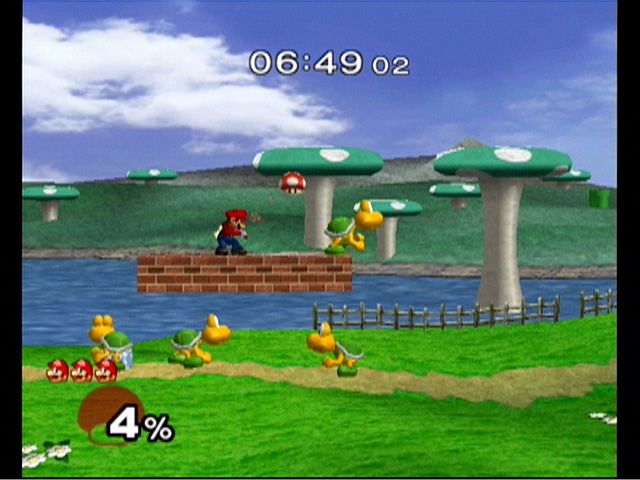
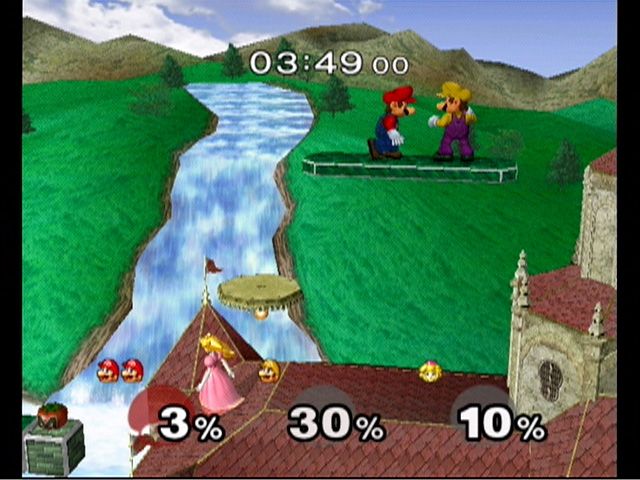
Visually, Melee still impresses despite its early 2000s roots. Running at a smooth 60 frames per second, character animations are fluid and snappy, making every smash, spike, and dodge feel impactful. The color palette is bright and varied, with each fighter’s design faithfully adapted from their original series—Mario’s trademark red and blue, Samus’s gleaming Power Suit, and the lush hues of Yoshi’s Island all pop on CRT and modern displays alike.
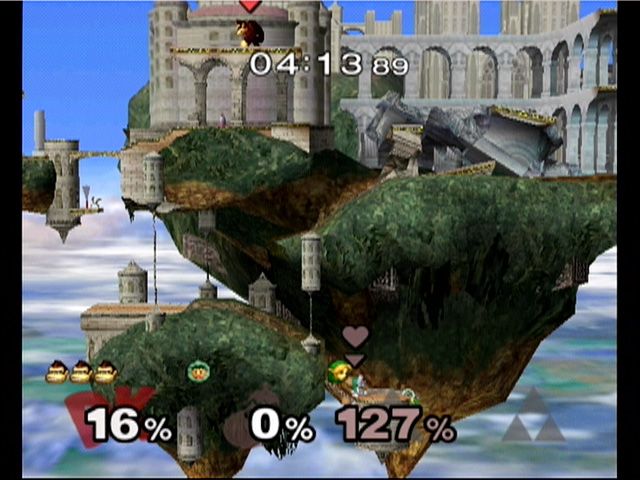
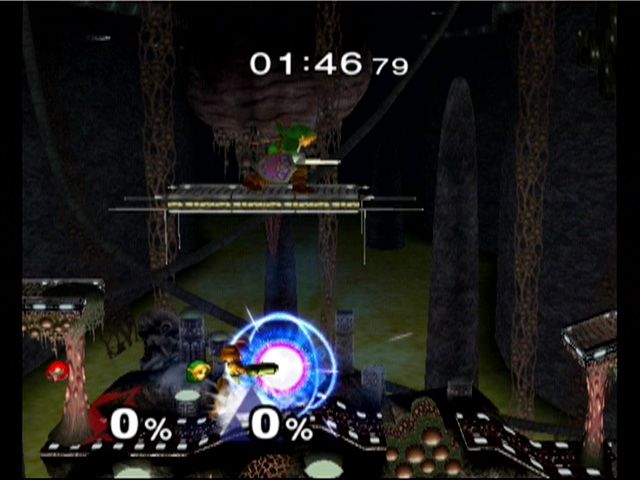
The stages themselves showcase Nintendo’s creativity. From the ethereal platforms of Temple to the rotating hazards of Rainbow Cruise, each arena offers a distinct visual identity while maintaining clear readability. Background details—such as the plunging “Bridge of Eldin” silhouette or the shifting moon in Corneria—add atmosphere without distracting from the combat. Particle effects for explosions, fireballs, and electric hits still look crisp and convey the explosive sense of impact that defines the series.
Character models, though limited by the GameCube’s polygon count, remain expressive thanks to smart texture work and careful animation. Movements are crisp, and lightweight visual flourishes—like Kirby’s stretch in a swallowed foe or Captain Falcon’s iconic “Falcon Punch” flare—elevate each moment into something memorable. Even on a modern upscaled display, Melee’s art direction holds strong, affirming its status as a visual high point of its generation.
Story
Super Smash Bros. Melee isn’t driven by a traditional narrative, but it offers context through its modes and unlockable trophies. Each character’s appearance in the roster hints at their original quests—Link battles with sword and shield, Pikachu zaps foes with lightning, and Marth dances across the stage with graceful swordplay. The overarching “tournament” premise feels like a lighthearted crossover celebration rather than a grand saga.
Adventure Mode adds a loose storyline thread: Master Hand has scattered trophies throughout a network of paths, and you must defeat themed groups of challengers to reclaim them. Though the plot is minimal, encountering waves of foes from across Nintendo’s history—Kirby clones, Pokémon armies, and classic Game & Watch silhouettes—creates a playful sense of traveling through time and space. Each victory unveils new trophies that come with 3D models and historical blurbs, effectively turning gameplay into a living museum.
Trophies themselves deliver surprising depth for a fighting game. Each miniature statue unlocks text about a character’s origin or a game’s significance, providing context that ranges from whimsical trivia to profound insights into Nintendo’s evolving design philosophies. By framing collectible rewards as pieces of gaming history, Melee weaves a meta-narrative that celebrates decades of creativity without bogging down the core action.
Overall Experience
For anyone seeking a fighting game that’s easy to pick up but hard to master, Super Smash Bros. Melee stands the test of time. Its accessible controls—single-button specials, intuitive grabs, and directional smashes—welcome casual players, while hidden tech skills (wave-dashing, L-canceling) beckon hardcore enthusiasts. The result is a community-driven phenomenon where local and online tournaments continue to thrive more than two decades later.
Melee’s generous roster and stage count ensure that no two sessions feel the same. Hidden characters like Mewtwo and Roy provide powerful surprises, and the capsule toy machine in the Collection mode delivers randomized trophies that fuel long-term engagement. Whether you’re enjoying a quick solo run in Classic Mode or staging an all-night brawl with friends, the game’s pace and polish remain unmatched on the GameCube.
Even in 2024, Super Smash Bros. Melee retains its status as a cornerstone of competitive and party gaming alike. Its blend of tight mechanics, iconic visuals, and celebratory spirit of Nintendo’s legacy makes it a must-have for collectors and newcomers. Jump in, unleash your favorite hero, and discover why this title continues to define what a crossover fighter can be.


Reviews
There are no reviews yet.