 Retro Replay Retro Replay gaming reviews, news, emulation, geek stuff and more!

Retro Replay Review
Gameplay
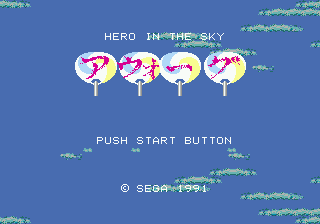
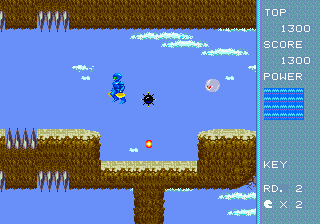
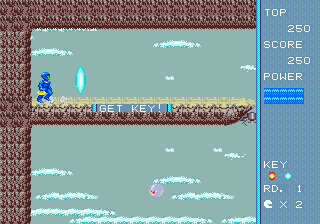
Awogue’s core gameplay loop is centered on fast-paced aerial navigation and precision platforming. Players take control of the wind-bending hero, Awogue, floating freely across multi-layered stages to collect three flashing “gate keys” before opening the warp gate. The controls feel intuitive: tapping directional inputs gives you a burst of wind propulsion, while holding a direction charges your flight for longer glides. This fluid movement system rewards practice and spatial awareness, letting you weave between hazards and enemies with satisfying agility.
(HEY YOU!! We hope you enjoy! We try not to run ads. So basically, this is a very expensive hobby running this site. Please consider joining us for updates, forums, and more. Network w/ us to make some cash or friends while retro gaming, and you can win some free retro games for posting. Okay, carry on 👍)
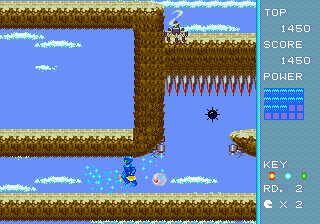
Combat in Awogue hinges on mastering your basic air burst attack and judiciously deploying special moves. Your standard burst of air not only stuns weaker foes but can also be used to clear environmental debris or trigger switches. The rushing attack delivers a quick dash forward, perfect for rushing through a cluster of enemies or dodging incoming projectiles. When the situation calls for serious crowd control, the “Rolling Awogue” special move unleashes a spinning whirlwind that devastates nearby adversaries—but at the cost of depleting your energy bar. Balancing normal attacks with energy management becomes critical in later levels with sustained enemy waves.
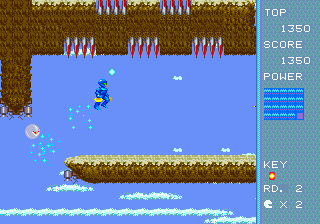
Level design strikes a solid balance between open aerial arenas and tighter, hazard-filled corridors. Early stages focus on simple platform-to-platform glides and basic enemy waves, making it easy to learn the ropes. As you progress, you’ll encounter shifting wind currents, laser gates, and environmental puzzles that require careful momentum control. Boss encounters against Hellbreeze’s mechanical sky fortresses keep things fresh: each boss introduces a new wind-based mechanic, forcing you to adapt your flight patterns and attack timing on the fly.
A built-in progression system adds replay value. By collecting hidden air crystals scattered throughout stages, you unlock upgrades ranging from an expanded energy meter to enhanced fan thrust. These power-ups make revisiting earlier stages rewarding, since improved abilities open up new pathways and rush-through strategies. Overall, Awogue’s gameplay feels tight, responsive, and brimming with opportunities for advanced play—whether you’re a casual fan of scrolling action or a speedrunner aiming for flawless runs.
Graphics
Awogue’s visual presentation blends vibrant comic-book flair with sleek, futuristic design. Each level features dynamic parallax backgrounds that shift as you move, creating a genuine sense of altitude and depth. From neon-lit cityscapes to storm-racked mountain peaks, the color palettes remain bold without ever becoming garish. Subtle particle effects—like whirling leaves or drifting embers—add texture to what might otherwise be static backdrops.
The character animations are a highlight. Awogue’s fan propellers spin with smooth, fluid motion, and every gust of wind is accompanied by a swish of fabric and small debris particles. Enemies respond convincingly to your air bursts, tumbling or skidding across the ground in a way that sells the physics of the world. Bosses, in particular, are richly detailed: Hellbreeze’s mechanical flyer bristles with turbines and rotating blades, coming to life with menacing realism.
UI elements are crisply designed and unobtrusive. Health bars, energy meters, and key counters sit neatly in corners, allowing you to focus on the action. During cutscenes and narrative interludes, character portraits are drawn in a hand-sketched style that enhances the comic-inspired storytelling. Overall, the graphics engine runs smoothly even when the screen is crowded, maintaining a solid framerate that keeps gameplay feeling responsive.
Minor visual flourishes—like wind ripples distorting background elements or gust trails following your movements—help reinforce the central theme of air manipulation. While Awogue doesn’t push the outer limits of pixel fidelity or 3D rendering, its cohesive aesthetic and attention to animated detail ensure every stage feels alive and distinct.
Story
Awogue’s narrative sets a classic superhero tone: the tyrannical Hellbreeze has seized control of the skies, unleashing tornadoes and swirling storms on unwitting cities below. As the last wielder of the ancient paper-fan legacy, Awogue must harness his cybernetic wind fans to restore order. Simple as the premise is, it provides just enough context to make each level feel like a step in a larger aerial crusade.
Story beats are delivered through brief cutscenes rendered in comic-style panels. Each panel includes dynamic sound effects and voice snippets to bring characters to life without bogging down the pacing. Villain monologues are just long enough to establish Hellbreeze’s megalomaniacal motivations, while Awogue’s responses reinforce his noble resolve. These interludes strike a good balance between exposition and action, ensuring you never feel disconnected from your mission.
Character development is light but effective. Awogue’s quiet determination and occasional humorous quips break up the tension, while Hellbreeze’s escalating threats create a sense of looming danger. Secondary characters—like the eccentric air-scholar who provides mission intel—add flavor and occasional tutorial guidance, integrating story elements into gameplay organically.
Although the overarching plot is straightforward, side narratives and hidden lore entries reward exploration. Discovering scraps of wind-lore in secret alcoves not only expands the world but also hints at future threats beyond Hellbreeze. This layered storytelling encourages completionists to revisit stages, hoping to piece together the full saga of the wind-fan legacy.
Overall Experience
Awogue delivers a crisp, engaging action experience that stands out among scrolling platformers. The combination of free-form flight mechanics and energy-based combat ensures that no two play sessions feel identical. Whether you’re deftly weaving through hazards to grab the last gate key or unleashing a Rolling Awogue to clear a roomful of goons, the game consistently offers moments of exhilaration.
Sound design and music complement the visuals perfectly. A rousing orchestral-electro hybrid score propels you forward, with swells that match on-screen intensity. Wind rush sound effects feel punchy and tactile, reinforcing your connection to the air. Dialogue snippets are crisply recorded, and boss themes rise to dramatic crescendos that elevate the stakes of each encounter.
Performance on modern hardware is rock-solid, with near-instant loading times between stages. Accessibility options—such as adjustable flight sensitivity, screen shake toggles, and subtitle settings—cater to a broad audience. Speedrunners and completionists alike will appreciate the in-game timer and hidden collectibles that chart progress and unlock bonus artwork.
In sum, Awogue is an entertaining, well-polished title that excels in both mechanical depth and thematic consistency. While it may not revolutionize the action genre, it refines proven concepts with thoughtful design and a strong audiovisual identity. For fans of aerial combat or anyone seeking a breezy (pun intended) adventure, this game is sure to keep you soaring through its wind-sculpted worlds.


Reviews
There are no reviews yet.