 Retro Replay Retro Replay gaming reviews, news, emulation, geek stuff and more!
Retro Replay Review
Gameplay
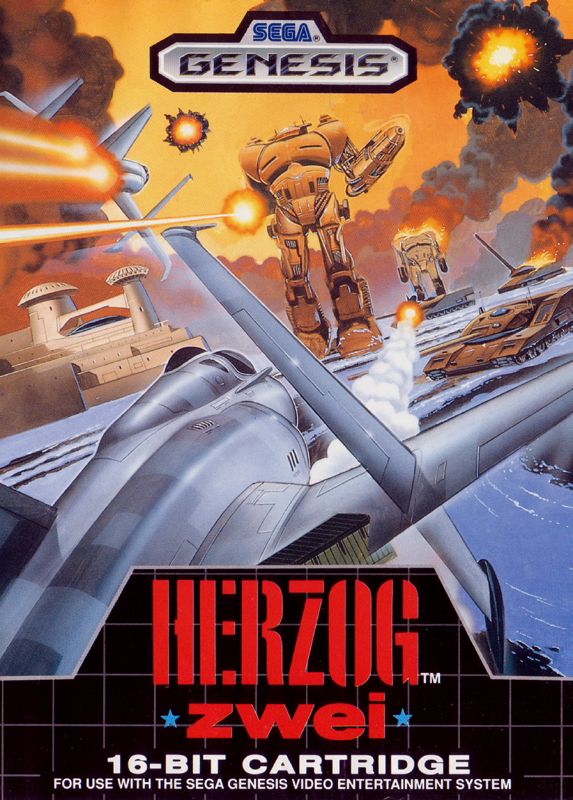
Herzog Zwei’s gameplay is deceptively simple on the surface yet brimming with strategic depth. Players take control of a transforming jet that alternates between an aerial assault craft and a ground-based infantry unit. This dual-mode mechanic forces you to balance between quick strikes from the sky and deliberate ground deployments, giving rise to dynamic micro- and macro-level decisions. It’s not merely about blasting enemies; it’s about orchestrating unit production, resource allocation, and territorial control.
(HEY YOU!! We hope you enjoy! We try not to run ads. So basically, this is a very expensive hobby running this site. Please consider joining us for updates, forums, and more. Network w/ us to make some cash or friends while retro gaming, and you can win some free retro games for posting. Okay, carry on 👍)
At the heart of each match is the tug-of-war for bases scattered across the map. Your jet serves as a mobile command center, ferrying newly purchased tanks, infantry, and heavier vehicles to key positions. Capturing bases ramps up your income, allowing you to field bigger armies. The twist is that your aircraft can’t capture bases directly—it must shepherd your ground forces into position, making every sortie feel like part of a larger logistical puzzle.
Combat unfolds in real time, and the moment-to-moment action can be surprisingly intense. Air-to-air dogfights, ground skirmishes, and base defenses all occur simultaneously, meaning you’re constantly toggling between offense and defense. Lose your jet and it respawns at your main base, but the downtime can be costly. This mechanic incentivizes careful piloting and risk management; one reckless dive and you could be fighting an uphill battle to reclaim lost territory.
Multiplayer matches elevate the experience even further. Two players pitting their strategic wits against each other leads to tense stand-offs and last-minute comebacks. The learning curve is surprisingly steep for a 16-bit era title, rewarding players who master unit counters, supply lines, and timing. Even in single-player mode against AI, the challenge remains engaging, as each map layout and difficulty level encourages fresh tactics.
Graphics
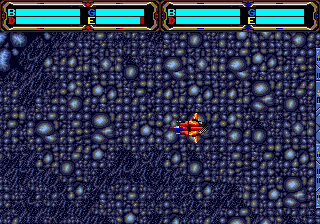
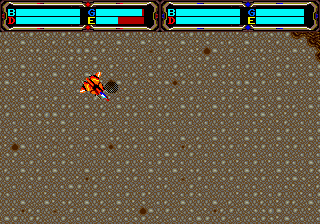
By today’s standards, Herzog Zwei’s graphics are charmingly retro but functionally clear. The SNES-era visuals rely on crisp sprites and a limited color palette, yet each unit type—jets, tanks, artillery, and infantry—is instantly recognizable. This clarity is crucial when managing multiple fronts at once, ensuring you never lose track of your most important assets.
While terrain is relatively basic—flat maps punctuated by a few obstacles and base structures—the simplicity serves the gameplay. There’s no graphical clutter to obscure your battlefield view, and the smooth animation of transforming jets adds a layer of visual flair. Explosions are punchy, and unit movement is fluid, lending an arcade-like polish to what is essentially an early real-time strategy experiment.
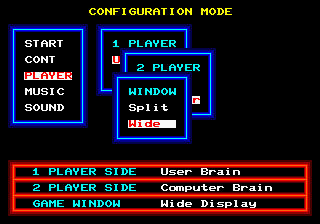
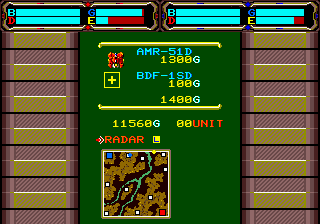
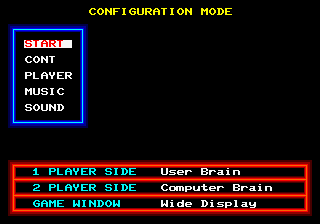
The UI is equally minimalist, displaying your current funds, unit roster, and base statuses without overwhelming the screen. Menu navigation for purchasing new units is straightforward, allowing you to make quick buy-sell decisions on the fly. In multiplayer settings, split-screen mode keeps both players’ views side by side, ensuring fair play and heightened tension.
Despite its age, Herzog Zwei’s visual presentation has aged gracefully. The pixel art aesthetic has become iconic within the retro gaming community, and many modern indie titles draw inspiration from its functional yet evocative design. If you appreciate clear, purposeful graphics that place gameplay front and center, Herzog Zwei delivers.
Story
Herzog Zwei doesn’t offer a deep narrative campaign in the modern sense—it’s more a sandbox for strategic warfare than a story-driven epic. The premise involves two rival factions clashing over territories, with minimal cutscenes and no elaborate cutaways. What unfolds is an emergent story shaped by your battlefield decisions.
This emergent narrative can be surprisingly compelling. You might recall a come-from-behind victory after holding off enemy advances with a last-minute tank rush, or rue a critical blunder when your jet was shot down prematurely. These player-driven moments become the de facto storyline, giving each playthrough its own flavor and memorable highlights.
For retro enthusiasts, the lack of a conventional story is often a refreshing change. You’re not shepherding heroes through scripted missions; instead, you’re crafting your own legend through tactical mastery. That said, if you’re expecting a lore-rich backdrop or character-driven plot, Herzog Zwei’s minimalist approach may feel sparse.
Nevertheless, the game’s core conflict—total domination by means of superior strategy—provides enough context to keep you engaged. The sense of satisfaction derived from a well-executed campaign, whether against the CPU or a human opponent, more than compensates for the absence of narrative complexity.
Overall Experience
Playing Herzog Zwei today is like uncovering a hidden chapter in the history of real-time strategy games. Its blend of action and strategy predates many genre conventions, and the tight gameplay loop remains deeply satisfying. Matches are typically concise, rarely dragging on beyond 10–15 minutes, making this a perfect pick-up-and-play title for quick strategic sessions.
The learning curve is steep but rewarding. Early losses against AI or friends might be frustrating, but each mistake teaches a valuable lesson—whether it’s proper base defense, fleet composition, or timing a decisive assault. Once you internalize the mechanics, the game becomes a dance of resource flow and tactical positioning.
Herzog Zwei’s influence on later real-time strategy and MOBA titles can’t be overstated. Observing its lineage adds an extra layer of appreciation, especially for players interested in gaming history. Its design philosophy—simplicity in presentation, depth in mechanics—continues to resonate in modern indie hits.
Ultimately, Herzog Zwei remains an engaging, competitive experience that holds up remarkably well. Whether you’re a retro connoisseur or a strategy enthusiast seeking a pure, skill-based challenge, this SNES classic offers addictive gameplay, clear visuals, and emergent storytelling. It’s a timeless testament to the power of well-crafted game mechanics over flash and spectacle.


Reviews
There are no reviews yet.