 Retro Replay Retro Replay gaming reviews, news, emulation, geek stuff and more!
Retro Replay Review
Gameplay
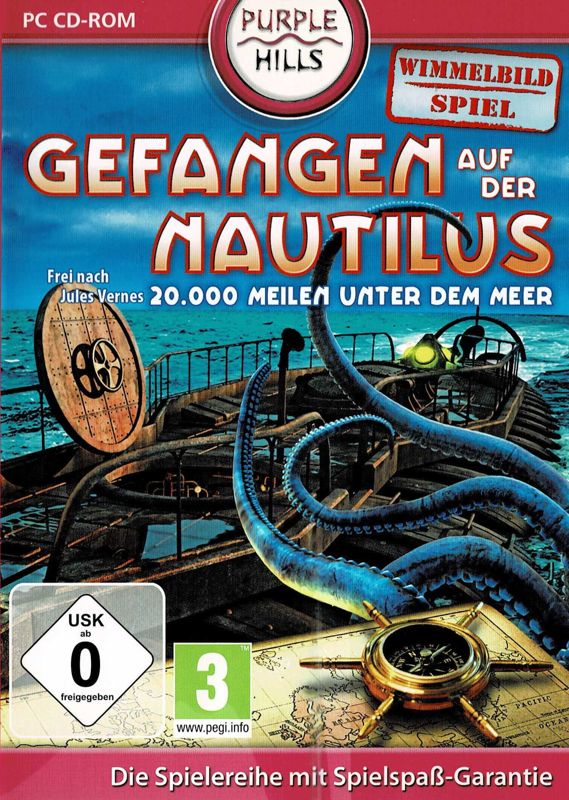
20,000 Leagues Under the Sea: Captain Nemo delivers a straightforward hidden-object experience that will appeal to fans of point-and-click adventures. Each level places you in a new corner of the Nautilus, from the observation deck to the engine room, tasking you with finding a list of period-correct items scattered throughout richly detailed scenes. The intuitive cursor and highlight features make it easy to interact with hotspots and collect objects, ensuring that even newcomers to the genre can jump in without frustration.
(HEY YOU!! We hope you enjoy! We try not to run ads. So basically, this is a very expensive hobby running this site. Please consider joining us for updates, forums, and more. Network w/ us to make some cash or friends while retro gaming, and you can win some free retro games for posting. Okay, carry on 👍)
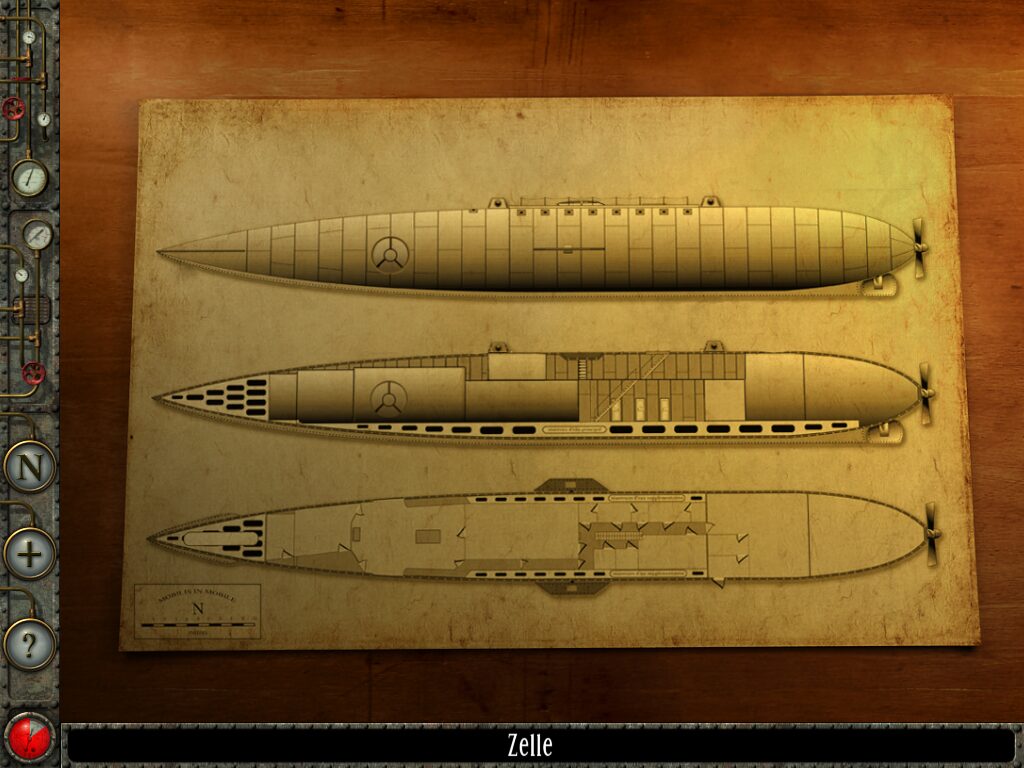
Beyond the core hidden-object mechanics, the game introduces light puzzle elements at key moments. You might need to assemble a compass from broken parts in Professor Aronnax’s study or repair a control panel with spare gears you’ve uncovered in the submarine’s lower hull. These minor diversions help break up the find-and-click routine, adding a touch of variety and narrative purpose to each discovery.
The pacing is measured and deliberate, mirroring the slow but relentless voyage of Captain Nemo’s Nautilus. While some players might lament the absence of real-time combat or platforming, enthusiasts of leisurely, story-driven exploration will appreciate the steady drip of objectives and the satisfaction of clearing each room’s checklist before moving on.
Graphics
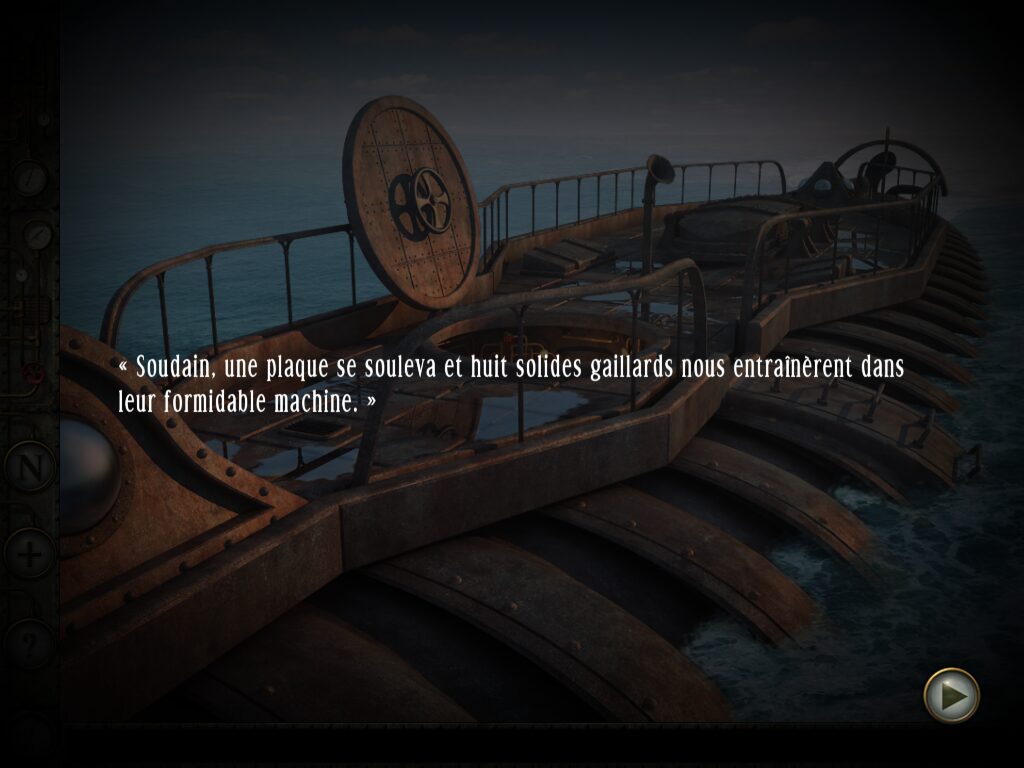
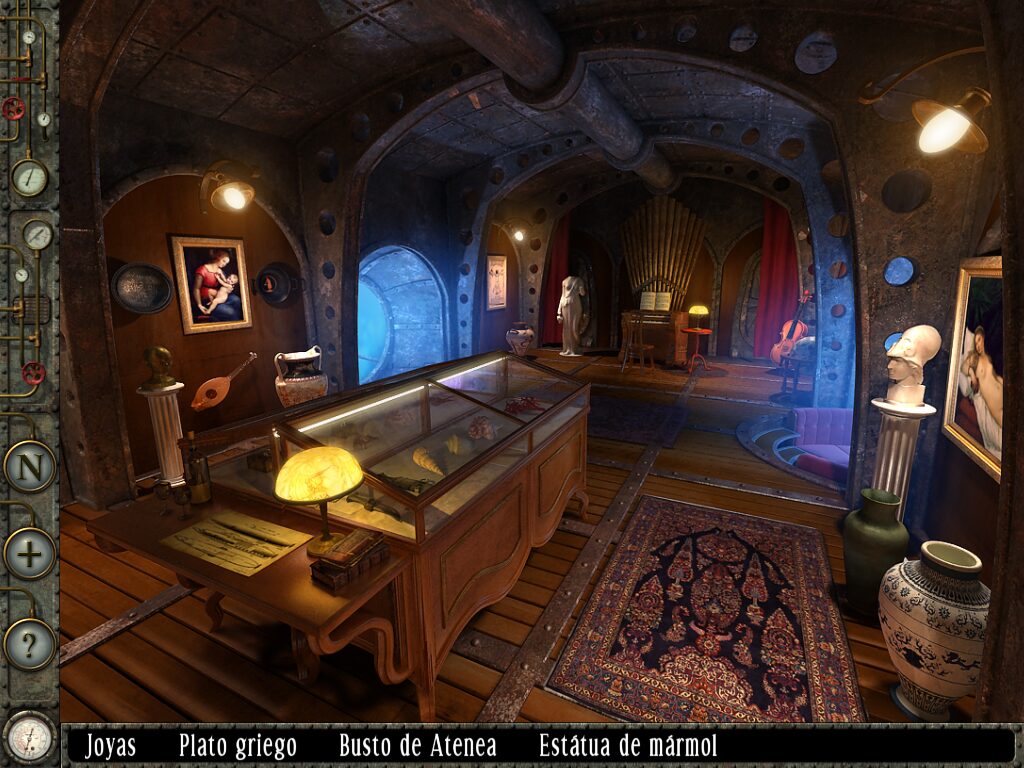
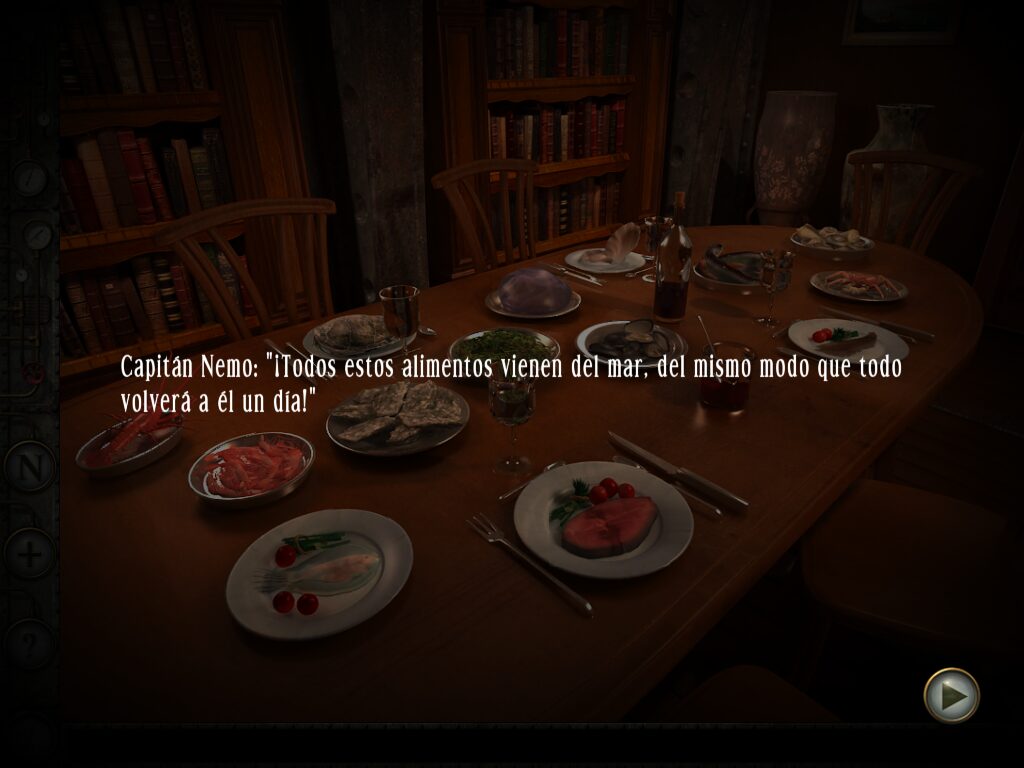
Visually, the game is a charming tribute to 19th-century nautical aesthetics. Hand-painted backgrounds depict the intricate machinery and lavish décor of the Nautilus with a warm, slightly muted color palette. Subtle animations—steaming pipes, flickering lamps, rolling ocean vistas—breathe life into otherwise static scenes, reinforcing the illusion of a living, breathing underwater vessel.
The object designs are crisp and distinguishable, even in busier environments cluttered with scientific instruments, leather-bound journals, and strange deep-sea specimens. This clarity is crucial for hidden-object gameplay; there’s never a moment where you’re squinting at pixelated sprites or guessing whether an item belongs on your list.
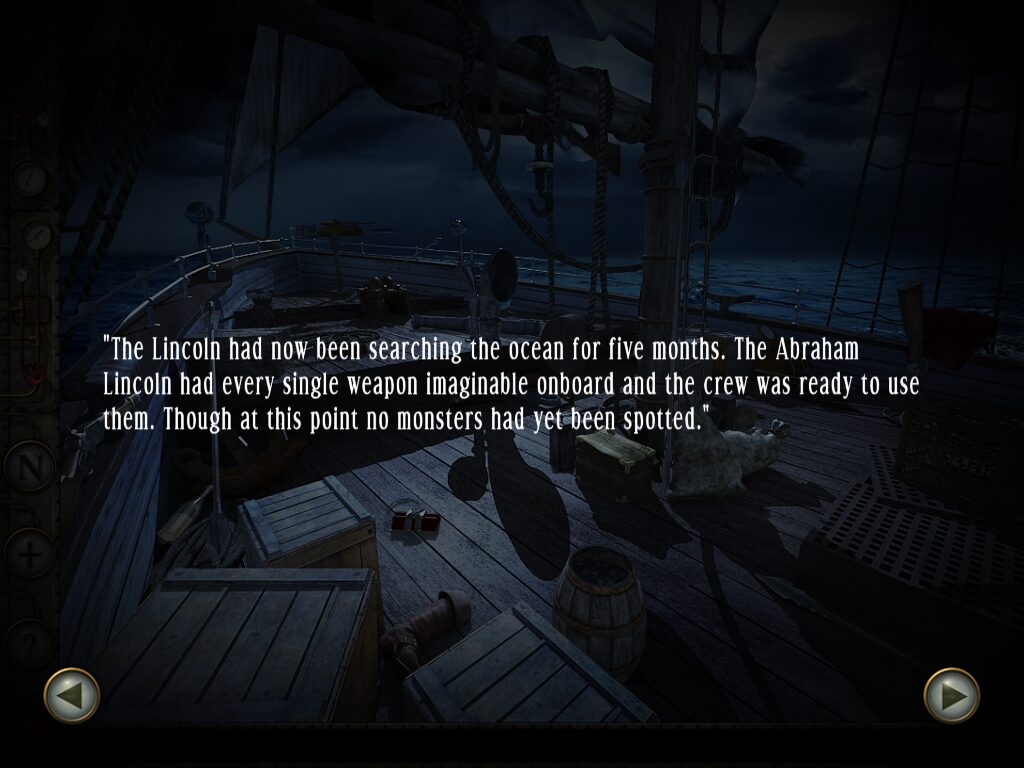
Transitional cutscenes, illustrated in a graphic-novel style, offer a striking contrast to the in-game art. They bring key story moments—such as the first appearance of the feared “sea monster” or the reveal of Captain Nemo—to life with dynamic framing and dramatic lighting, reinforcing the steampunk-meets-Victorian sci-fi atmosphere.
Story
The narrative faithfully follows Jules Verne’s 1869 classic: after a series of mysterious attacks on merchant vessels, Professor Pierre Aronnax, his loyal assistant Conseil, and the rugged harpooner Ned Land are cast overboard during a desperate confrontation with what the world believes is a giant sea monster. Instead of impending doom, they discover an otherworldly submarine commanded by the enigmatic Captain Nemo.
From there, the hidden-object gameplay dovetails neatly with the storytelling. Each object you retrieve ties back to character motivations or scientific discoveries that deepen your understanding of life aboard the Nautilus. As Aronnax’s journal entries unlock new areas, you experience first-hand the conflict between Ned Land’s desire for escape and Nemo’s obsessive quest to explore—and sometimes punish—the ocean depths.
While the game doesn’t attempt a full retelling of Verne’s entire novel, it captures its spirit through evocative set pieces and intermittent voiceovers. These narrative beats punctuate your hunts for hidden items, ensuring that you always remember why you’re rummaging through Captain Nemo’s undersea domain rather than simply clicking through static tableaux.
Overall Experience
20,000 Leagues Under the Sea: Captain Nemo stands out as a polished hidden-object title that balances challenge with accessibility. The absence of timed levels or excessive minigames means you can savor each discovery at your own pace, making it ideal for casual gamers or those seeking a relaxed evening of atmospheric adventure.
Replay value is modest: once you’ve cleared every nook of the Nautilus and pieced together all the story vignettes, there aren’t multiple difficulty settings or randomized item lists to extend the hunt. However, the game’s strong production values—striking art, engaging cutscenes, and a faithful nod to Verne’s vision—make a single runthrough a memorable dive beneath the waves.
In sum, Captain Nemo’s hidden-object voyage offers a charming, immersive trip under the sea. If you’re drawn to classic literature adaptations and enjoy methodical puzzle-solving in richly rendered environments, this title is well worth exploring on your next gaming expedition.


Reviews
There are no reviews yet.