 Retro Replay Retro Replay gaming reviews, news, emulation, geek stuff and more!



Retro Replay Review
Gameplay
The core of Annabel’s gameplay revolves around classic hidden-object mechanics blended with light puzzle-solving elements. You navigate a series of intricately designed rooms from a first-person perspective by clicking directional arrows at the edges of the screen. Each location holds clues, collectible items, and interactive hotspots that drive the narrative forward and unlock new areas to explore.
(HEY YOU!! We hope you enjoy! We try not to run ads. So basically, this is a very expensive hobby running this site. Please consider joining us for updates, forums, and more. Network w/ us to make some cash or friends while retro gaming, and you can win some free retro games for posting. Okay, carry on 👍)
Puzzles in Annabel range from straightforward object hunts—such as locating scissors to cut ribbon or gathering components for a bouquet—to more complex challenges like swapping jigsaw-style tiles to reveal secret doorways. These tasks feel organically woven into the story, as every object has a clear contextual purpose: obtaining a lady’s flute to charm a cobra or piecing together hieroglyphs to access the Pharaoh’s chamber. This sense of meaningful discovery keeps players engaged throughout.
Navigation is intuitive but can occasionally feel repetitive when retracing steps between rooms. However, the game mitigates this by scattering interactive details and dynamic events—like subtle changes in the environment once a puzzle is solved—making each revisit feel slightly different. A built-in hint system ensures that players won’t get permanently stuck, though at higher difficulty settings you’ll need to manage limited hint tokens strategically.
Overall, the pacing of Annabel strikes a comfortable balance between exploration and problem solving. While hidden-object fans will feel right at home, newcomers may appreciate the clear objectives and thematic integration of puzzles into the story of ancient Egypt. The difficulty curve is gentle but rewarding, with a few moments of real “aha!” satisfaction when a complex riddle finally falls into place.
Graphics
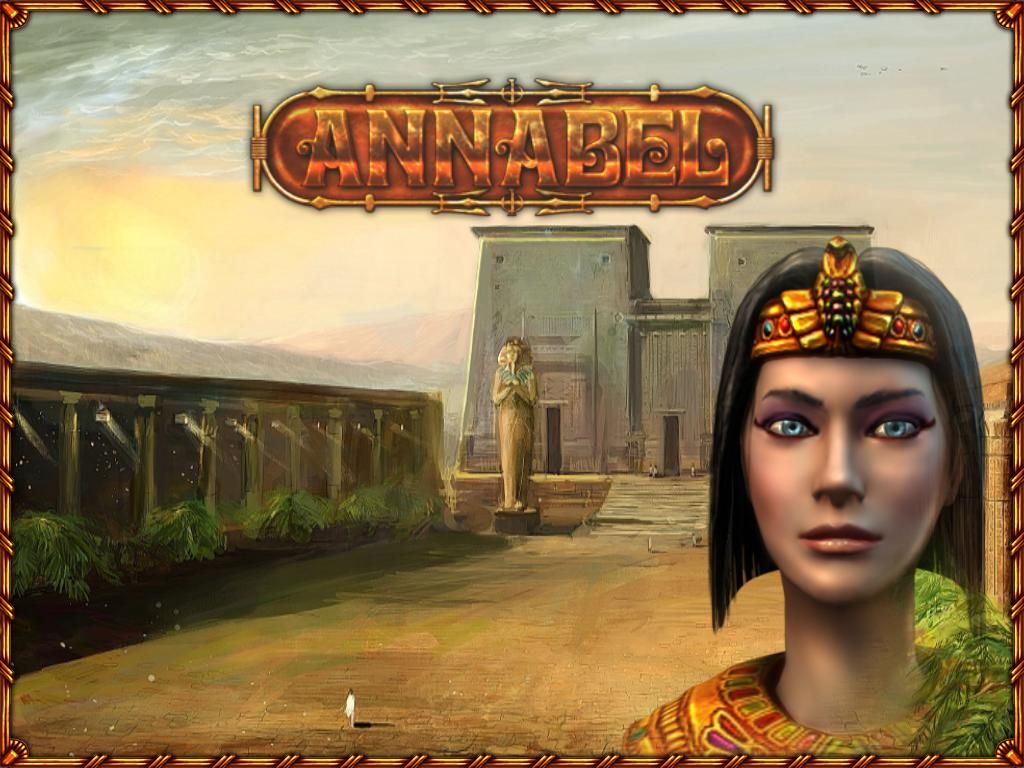
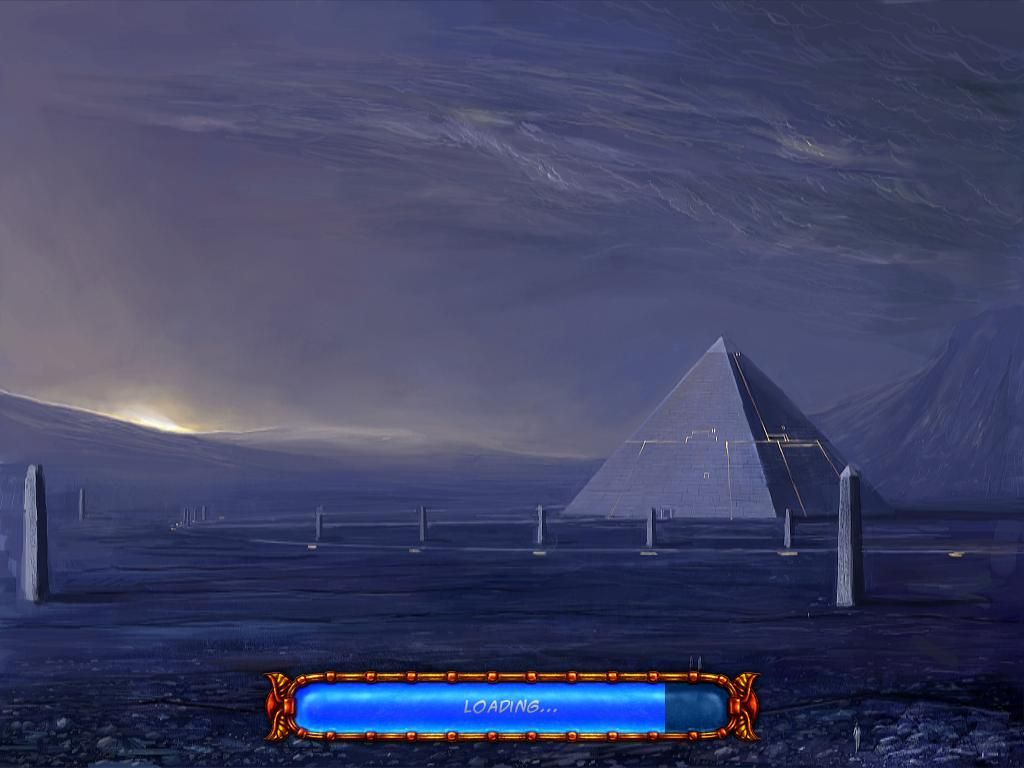
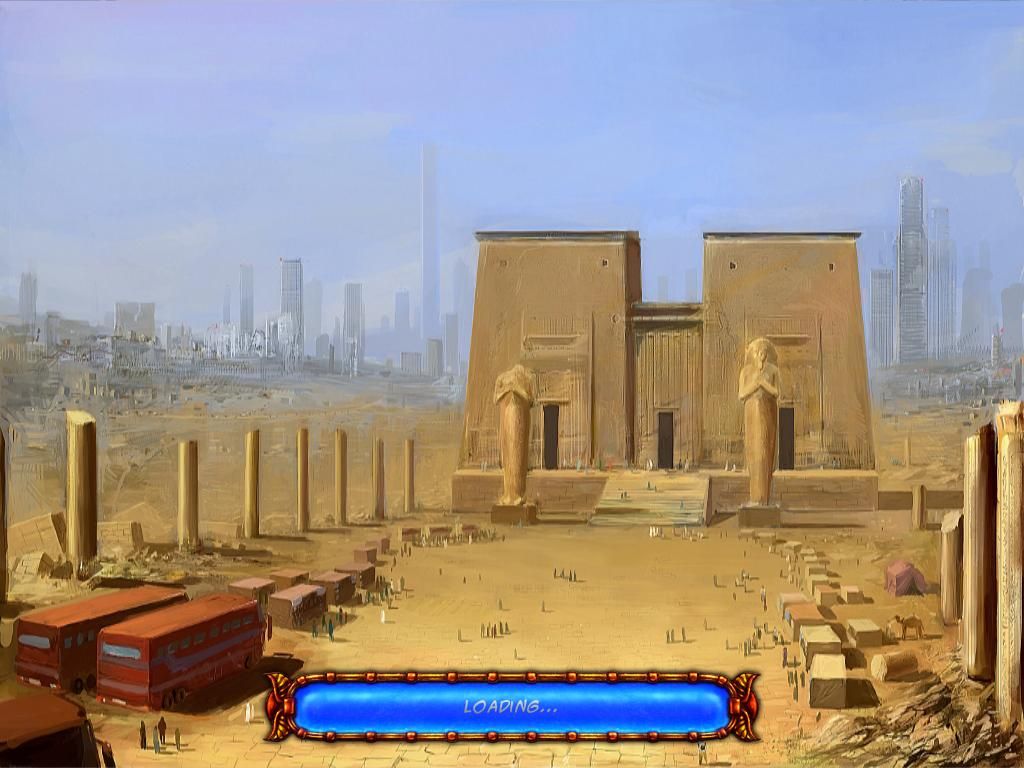
Visually, Annabel captures the mystique of ancient Egypt with richly colored backdrops, detailed hieroglyphic textures, and ambient lighting that conveys both the grandeur and the shadows of desert palaces. Each scene—from the modern museum foyer to the Pharaoh’s ornate throne room—boasts high-resolution artwork that reveals intricate carvings, flowing tapestries, and glinting treasures.
Character models appear sparingly, usually in cutscenes or key story moments, but they are well-crafted, with clothing and jewelry reflecting historical designs. Princess Annabel’s transition from modern archaeologist to regal figure is emphasized through subtle costume changes and lighting shifts that heighten the sense of time travel. Akhenaten and Amertekh both exhibit distinctive silhouettes and expressions, lending personality to every confrontation.
The interface is clean and unobtrusive, with a small inventory bar along the bottom and transparent tooltips that identify interactive objects. Sound effects—like the rustling of papyrus scrolls, the hiss of a cobra, or the echo of footsteps in a marble corridor—are crisp and atmospheric. A gentle musical score underscores each scene, evolving from quiet museum ambience to triumphant, percussive themes in the heat of the palace drama.
While the graphics engine may not push the limits of modern 3D rendering, its hand-painted backgrounds and attention to archaeological detail give Annabel a timeless appeal. The art style avoids gaudy color palettes or overdone effects, instead opting for a cohesive visual narrative that complements the game’s leisurely, investigative pace.
Story
The narrative of Annabel is a captivating fusion of modern archaeology and ancient court intrigue. It begins with our protagonist studying dusty artifacts in a present-day Egyptian museum, only to be thrust back in time by a mysterious disappearance cycle that haunts the institution every decade. This clever framing device raises the stakes from the outset: failure to navigate the past means perishing in it.
As Princess Annabel, you inherit the responsibility of saving ailing Pharaoh Akhenaten and your own lost identity. The villainous priest Amertekh looms large from the very first act, his motives driven by power and jealousy. His threat to both the throne and Annabel’s beloved creates a compelling sense of urgency—every hidden-object scene and puzzle becomes a race against time to thwart his schemes.
Dialogue is delivered through concise text and occasional voiced lines, maintaining momentum while fleshing out character motivations. You’ll uncover scrolls and letters that expand the lore of Egypt’s golden age, giving depth to the political tensions at play. Small touches—like Annabel’s internal monologue or fleeting flashbacks to her modern life—add emotional weight to the grander rescue mission.
Although the storyline follows familiar tropes of time travel and royal betrayal, its execution feels fresh thanks to the strong bond between Annabel and Akhenaten. Their mutual devotion humanizes the stakes, and the setting of ancient Egypt—with its secret ceremonies and hidden tombs—provides an endlessly fascinating backdrop. By the finale, you’ll be fully invested in restoring both love and legacy.
Overall Experience
Playing Annabel is like stepping into a beautifully illustrated adventure book—each page revealing a new room to search, a new riddle to crack, a new piece of history to uncover. The game’s seamless blend of hidden-object gameplay and narrative exploration makes it accessible to casual players, while the layered puzzles and time-travel lore offer enough depth for seasoned fans of the genre.
Replayability is moderate: once you’ve memorized the object locations and puzzle solutions, subsequent playthroughs lose some of their mystery. However, branching hints and alternative interactive elements can still provide fresh moments for returning players, and the story’s charm remains intact no matter how many times you witness Annabel’s daring exploits.
From the atmospheric soundscape to the meticulously painted sets, every aspect of Annabel is crafted to immerse players in the golden age of Egypt. The pacing never drags, and the hint system prevents frustration without ever diminishing the joy of discovery. Even minor technical hiccups—like occasional cursor lag or one misplaced hotspot—are easily overlooked in light of the game’s overall polish.
For anyone drawn to historic settings, romantic intrigue, or thoughtful puzzle design, Annabel offers a compelling journey through time. It stands out in the hidden-object genre by marrying a heartfelt storyline with clever, thematic gameplay—ensuring that players emerge not only entertained but also feeling as though they’ve truly saved a kingdom.


Reviews
There are no reviews yet.