 Retro Replay Retro Replay gaming reviews, news, emulation, geek stuff and more!


Retro Replay Review
Gameplay
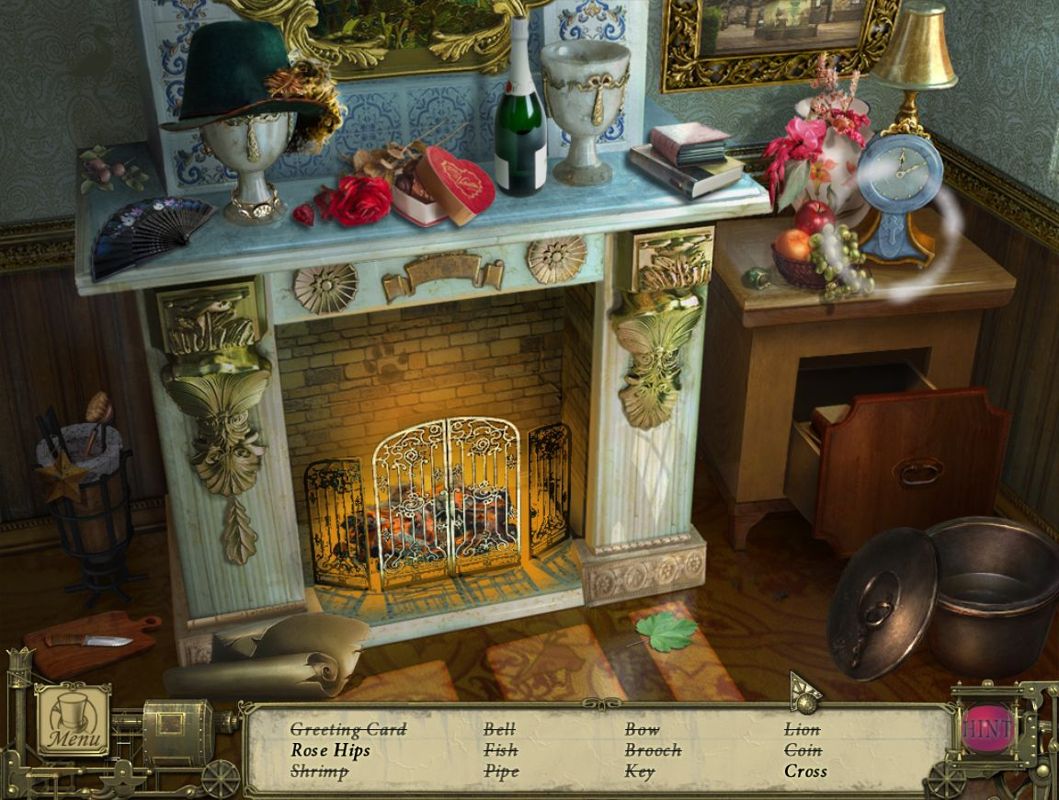
Dark Tales: Edgar Allan Poe’s Murders in the Rue Morgue offers a classic point‐and‐click adventure framework enhanced by seek‐and‐find challenges. Players guide detective Auguste Dupin through richly rendered 19th century Parisian locales, clicking on exit hotspots to navigate seamlessly between rooms. Each new area reveals shimmering indicators that signal hidden object screens, drawing you into focused scenes where keen observation and quick thinking are rewarded.
(HEY YOU!! We hope you enjoy! We try not to run ads. So basically, this is a very expensive hobby running this site. Please consider joining us for updates, forums, and more. Network w/ us to make some cash or friends while retro gaming, and you can win some free retro games for posting. Okay, carry on 👍)
The game’s inventory system adheres to genre conventions, placing collected items in a convenient tray at the bottom of the screen. Drag‐and‐drop mechanics allow objects to be used directly on the scenery, whether to unlock a cabinet or probe a suspicious piece of furniture. Items are found after completing hidden object rounds or solving standalone puzzles, giving each discovery a sense of purpose in the broader investigation.
Puzzles alternate between familiar concepts—like jigsaw assemblies of a Paris map or tile‐sliding locks on safes—and more inventive contraptions requiring code deciphering or mechanism manipulation. Clues automatically populate Dupin’s notebook, ensuring you never lose track of vital information. A hint button is available to highlight elusive items, though it incurs a brief cooldown, encouraging players to rely on their own powers of deduction first.
Graphics
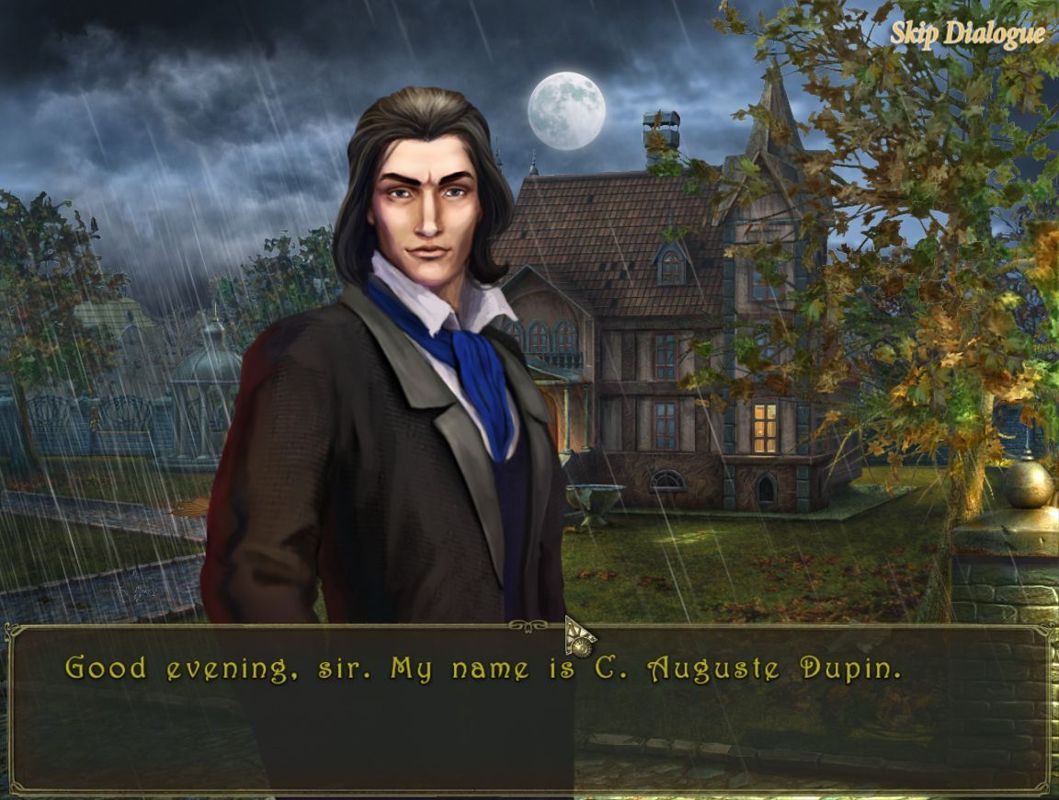
The visual presentation in Dark Tales captures the moody elegance of mid‐19th century France and Poe’s gothic sensibilities. Painted backgrounds teem with atmospheric details: flickering gas lamps, ornate wrought‐iron gates, and shadowy alleyways invoke an era steeped in mystery. Textures are sharp and richly colored, guiding the eye toward interactive hotspots without sacrificing immersion.
Animated elements—drifting fog, fluttering draperies, and subtle character gestures—breathe life into each scene. Transitions between locations are smooth, often accompanied by tasteful vignette effects that heighten suspense. The hidden object screens themselves are cleanly arranged, with objects cleverly integrated into the environment while still remaining distinguishable once you hone your focus.
User interface elements remain unobtrusive: the inventory bar blends into the bottom of the screen with a dark wood motif, and HUD icons for the notebook and hints are intuitively placed. Overall, the game strikes a pleasing balance between aesthetic flair and functional clarity, ensuring players can both admire the artwork and swiftly complete objectives.
Story
Drawing inspiration from Edgar Allan Poe’s seminal 1841 tale, the game casts Auguste Dupin in a race against time to unravel the brutal murder of Madame L’Espanaye and the mysterious disappearance of her sister, Camille. From the moment Dupin arrives in Paris, the narrative unfolds with Hitchcockian tension: whispered rumors, cryptic letters, and unsettling discoveries keep you invested in every twist.
While the core plot remains faithful to Poe’s atmosphere of rational inquiry confronting macabre events, the game introduces new characters and side mysteries that enrich the central investigation. Dialogue is well‐paced, and Dupin’s keen intellect is reflected in cleverly written journal entries that recap clues and theories. The sense of urgency intensifies as you piece together the puzzle, with each hidden object scene and puzzle solution driving the story forward.
Voice acting (where present) accentuates the period mood, lending authenticity to conversations with both allies and suspects. Though linear in its progression, the story offers moments of genuine surprise and emotional weight, particularly when confronting the darker aspects of human nature that Poe so famously explored. By game’s end, you’ll appreciate how narrative and gameplay collaborate to deliver a cohesive detective experience.
Overall Experience
Dark Tales: Edgar Allan Poe’s Murders in the Rue Morgue succeeds in blending classic hidden object gameplay with an evocative adventure narrative. The recurring shift between exploration, object hunting, and puzzle solving maintains a steady rhythm, preventing the experience from growing repetitive. Even seasoned genre fans will find satisfaction in the variety of challenges and the depth of environmental detail.
Though the difficulty curve is gentle—thanks to the notebook system and hint feature—there’s enough complexity in certain puzzles to test your deductive skills. Backtracking is minimal, as new hotspots unlock progressively, encouraging you to revisit locations only when the story logically demands it. This design choice keeps momentum high and reduces frustration during longer sessions.
For those who appreciate atmospheric mysteries and intellectual problem‐solving, this title offers an engaging escape into Poe’s dark world. While it may not break new ground in hidden object mechanics, its strong narrative foundations, polished visuals, and thoughtful puzzle integration make it a compelling purchase for adventure enthusiasts and casual sleuths alike.


Reviews
There are no reviews yet.