 Retro Replay Retro Replay gaming reviews, news, emulation, geek stuff and more!

Retro Replay Review
Gameplay
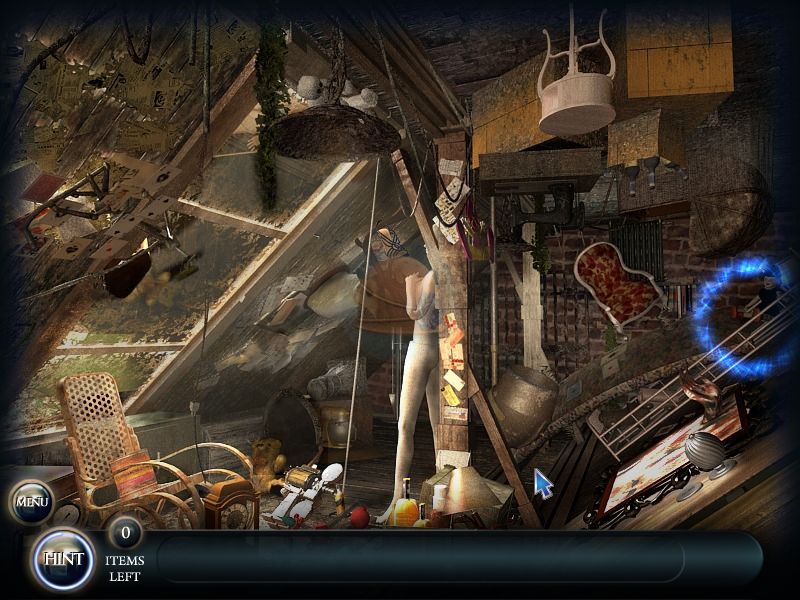
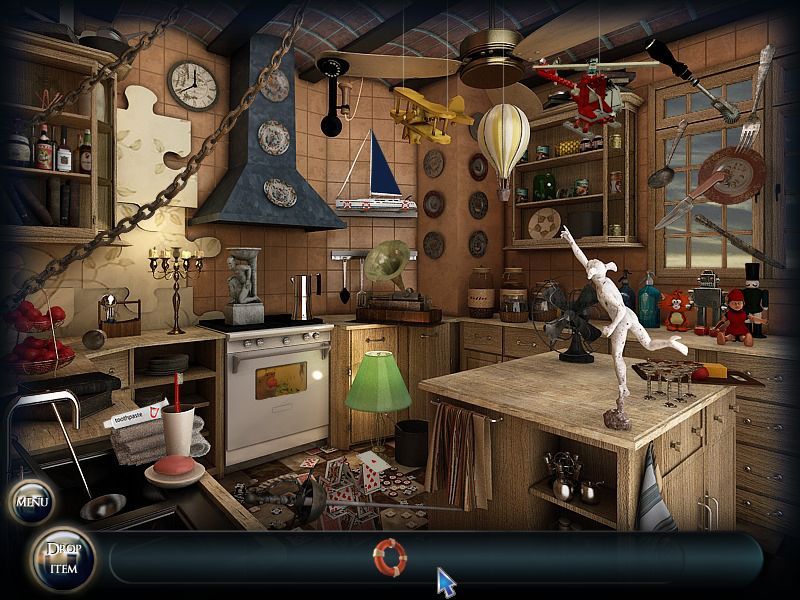
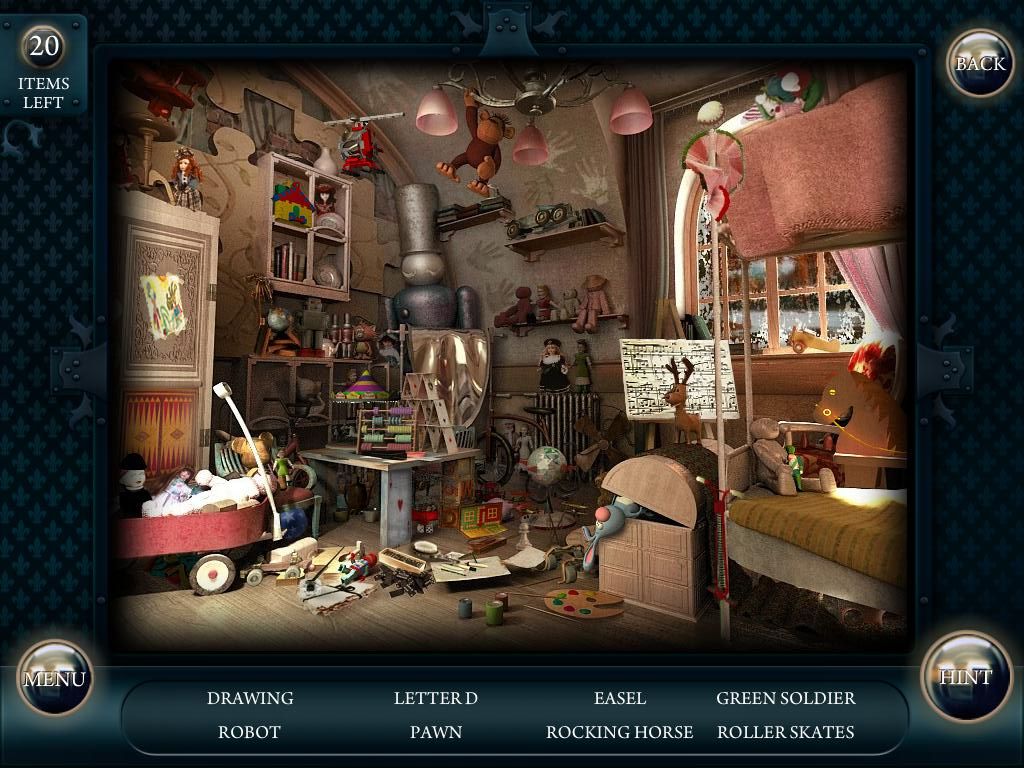
Doors of the Mind: Inner Mysteries delivers a satisfying hidden-object adventure framework that appeals to both casual players and genre enthusiasts. Most of the gameplay revolves around carefully scanning richly detailed scenes to find and click on items listed at the bottom of the screen. The game occasionally switches up the formula by asking you to drag and drop objects back into their proper places, which adds a tactile layer to the typical search mechanics.
(HEY YOU!! We hope you enjoy! We try not to run ads. So basically, this is a very expensive hobby running this site. Please consider joining us for updates, forums, and more. Network w/ us to make some cash or friends while retro gaming, and you can win some free retro games for posting. Okay, carry on 👍)
Beyond hidden-object scenes, Inner Mysteries weaves in adventure-style puzzles that require you to combine and use inventory items in logical ways. Whether you’re gathering tools to pry open a locked drawer or using a key to access a new area of the subconscious, these sections break up the item searches and introduce a light dose of problem-solving. The inventory system is intuitive, letting you select tools and apply them directly onto the scene without annoying menu gymnastics.
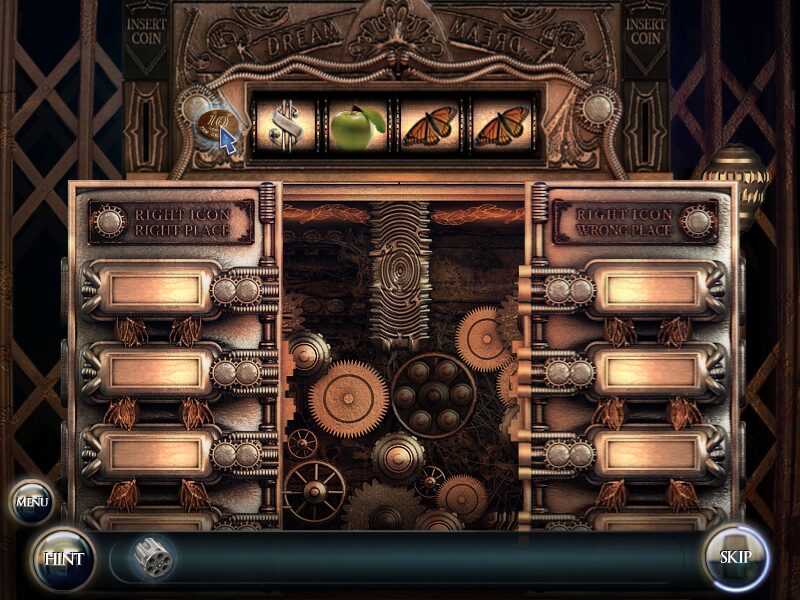
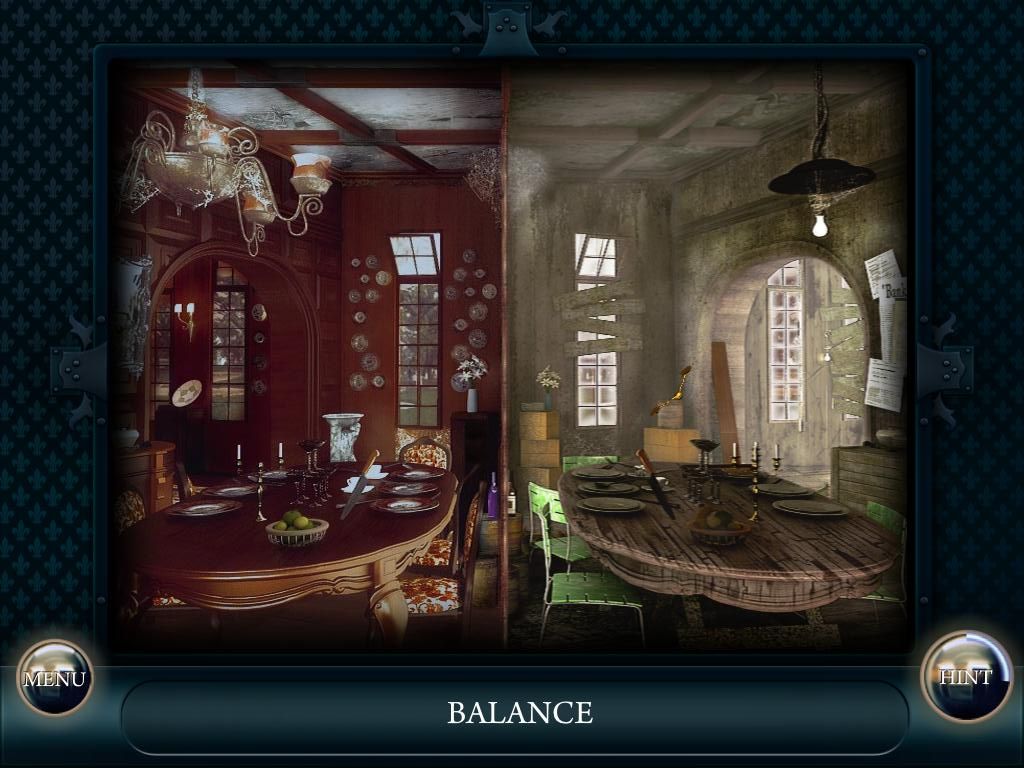
Mini-games provide additional variety, popping up at key moments to test your logical and spatial reasoning. From balancing ornate horse statues on a scale to spotting subtle differences between two images, assembling jigsaw puzzles, and even playing a Mastermind-style slot machine challenge, these diversions keep the experience fresh. If any mini-game proves too frustrating, a skip option becomes available after sixty seconds, ensuring you never get stuck for long.
Graphics
The visual presentation of Doors of the Mind: Inner Mysteries is one of its strongest assets. Each hidden-object scene is packed with textures, shadows, and carefully placed items that feel like a real, lived-in environment. Whether you’re exploring a dusty attic, an eerie dreamscape, or a therapist’s cozy office, the hand-painted backgrounds exude atmosphere and encourage careful observation.
Character art and animations are equally impressive, especially during hypnosis sequences. Hazel’s facial expressions shift convincingly as she confronts her fears, and subtle lighting effects convey the surreal nature of her dream journeys. Scene transitions are smooth, and ambient animations—like flickering candles or drifting smoke—anchor the visuals in a world that feels dynamic rather than static.
While the overall aesthetic leans toward a muted, slightly dark palette to evoke the story’s psychological tension, occasional bursts of color in key objects help guide the player’s eye. This careful use of color balancing not only enhances the mood but also subtly points you toward important clues without resorting to heavy-handed UI highlights.
Story
At the heart of Inner Mysteries is the journey of Hazel, a young woman plagued by recurring nightmares that begin to erode her waking life. Concerned by her inability to differentiate between dream and reality, she enlists the help of a psychoanalyst and undergoes hypnosis sessions. These sessions serve as portals into her subconscious, where she must piece together the roots of her emotional turmoil.
The narrative unfolds gradually as you recover fragments of Hazel’s past—memories of a lost friendship, family tensions, and long-buried regrets. Each hidden-object scene represents a symbolic corner of her mind, and the objects you find often carry thematic weight. The game excels at weaving story elements into gameplay, making every discovered item feel like a small victory in Hazel’s path toward self-discovery.
Dialogues with the psychoanalyst and internal monologues are well-written, striking a balance between psychological intrigue and relatable emotion. While the script occasionally dips into familiar tropes—like unexplained keys or ominous whispers—it never loses sight of Hazel’s personal stakes. By the time you reach the climax, the revelations feel earned and emotionally resonant.
Overall Experience
Doors of the Mind: Inner Mysteries offers a polished hidden-object adventure that strikes a comfortable middle ground between challenge and accessibility. The mix of item searches, inventory-based puzzles, and mini-games ensures that monotony rarely sets in, while the recharge-based hint system keeps frustration at bay. Casual players will appreciate the approachable difficulty, and more seasoned explorers will find enough variety to stay engaged.
The game’s art direction and atmospheric audio work in tandem to create an immersive experience that pulls you into Hazel’s subconscious world. Subtle background music and ambient sound effects heighten the tension without ever overpowering the gameplay. This sensory cohesion amplifies the narrative’s emotional beats, making each hypnosis session feel like a distinct expedition.
Ultimately, Doors of the Mind: Inner Mysteries is a strong recommendation for anyone who enjoys hidden-object games with a thoughtful storyline. Its blend of engaging puzzles, evocative visuals, and an emotionally driven plot makes it a memorable journey into the human psyche. Whether you’re a fan of casual puzzle games or simply seeking a narrative-rich experience, Hazel’s adventure through her subconscious offers a satisfying voyage from nightmare to clarity.


Reviews
There are no reviews yet.