 Retro Replay Retro Replay gaming reviews, news, emulation, geek stuff and more!
Retro Replay Review
Gameplay
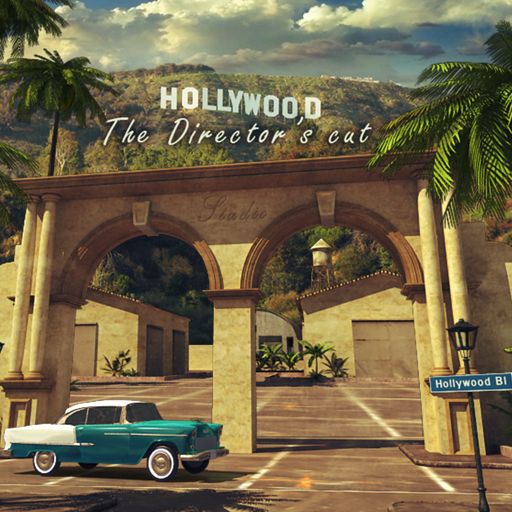
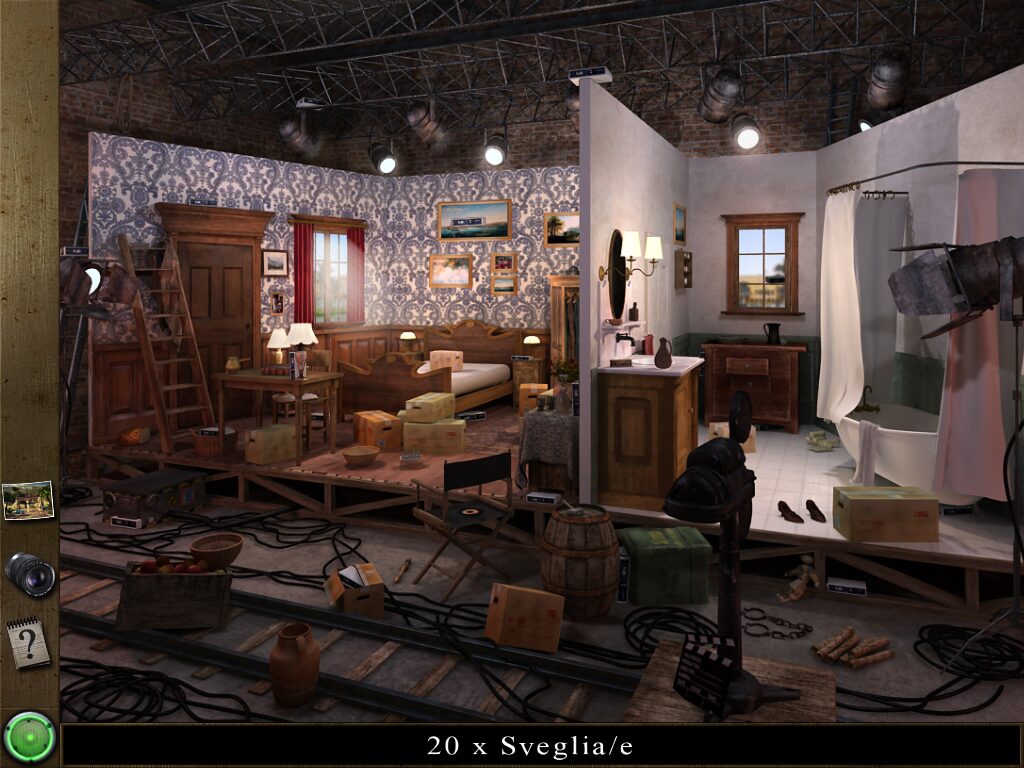
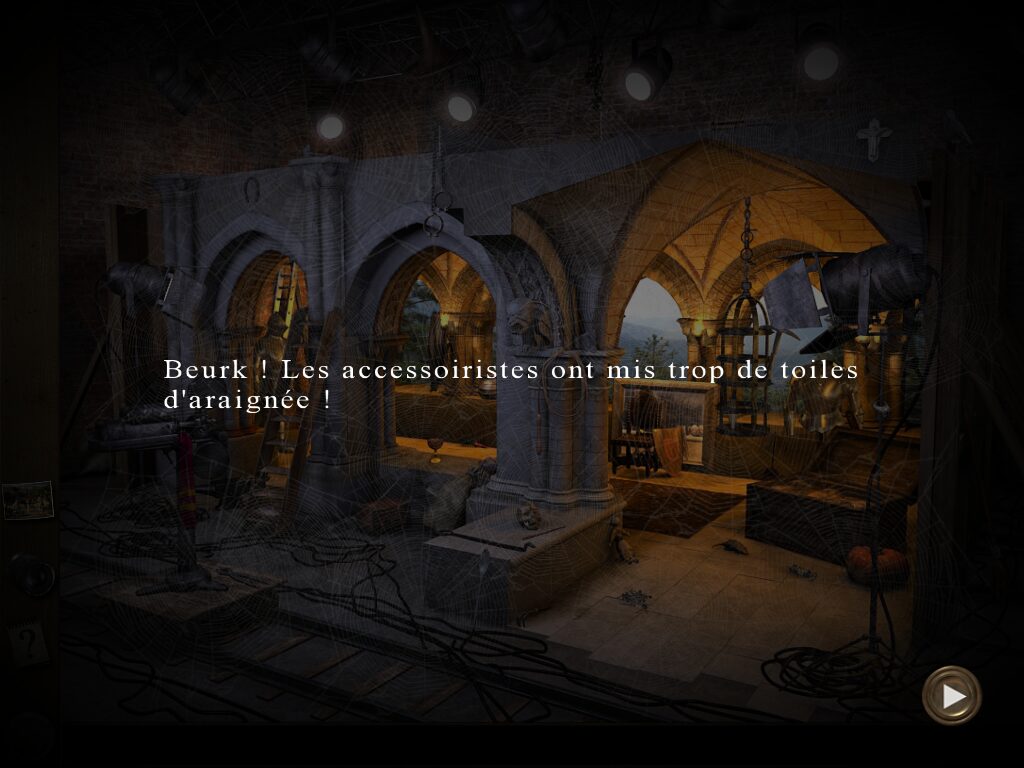
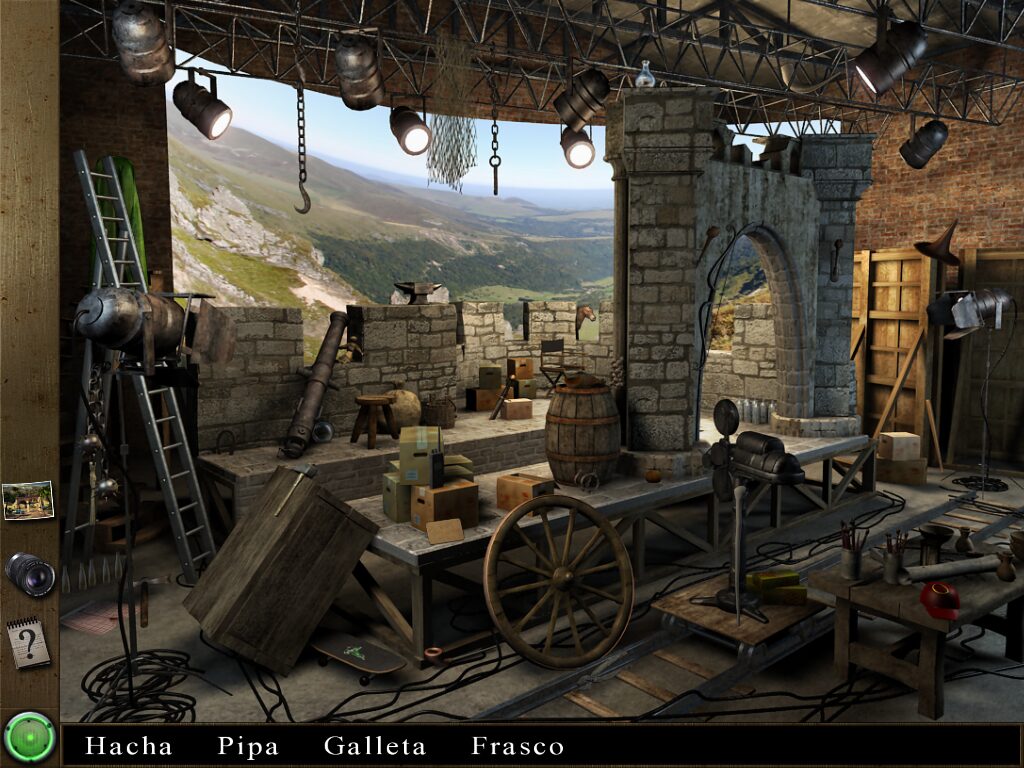
Hollywood: The Director’s Cut places you in the shoes of an assistant set designer charged with combing sprawling movie sets for props and hidden items. The core gameplay loop is straightforward: scan richly detailed backdrops, click on objects listed at the bottom of the screen and clear obstructions—be they cobwebs in a medieval castle or piles of insects in an ancient temple ruin—before the true search begins. These tactile moments of “clean-up-and-search” add a tactile layer to the typical hidden object formula, ensuring that each scene feels like part detective work and part hands-on restoration.
(HEY YOU!! We hope you enjoy! We try not to run ads. So basically, this is a very expensive hobby running this site. Please consider joining us for updates, forums, and more. Network w/ us to make some cash or friends while retro gaming, and you can win some free retro games for posting. Okay, carry on 👍)
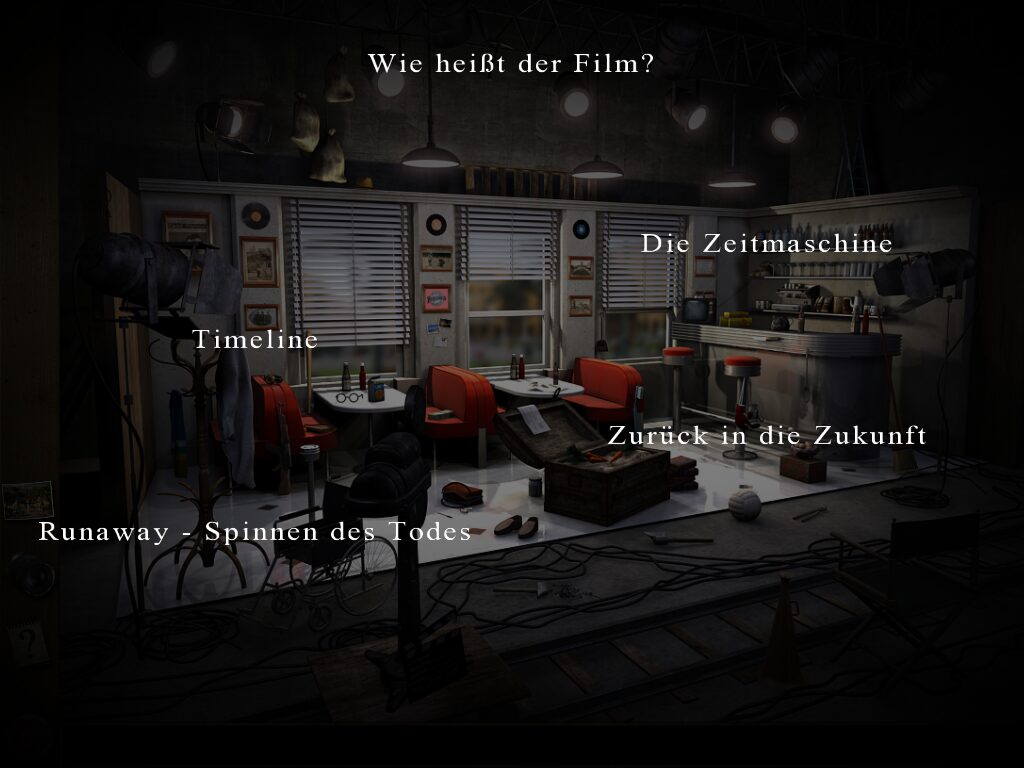
Interactivity extends beyond mere clicking: once you’ve gathered all required items, you face a multiple-choice trivia question about film history or movie lore. Answer incorrectly, and you’ll revisit the same location, raising the stakes and demanding sharper recall from players. While this can inject a refreshing challenge for cinephiles, it can also interrupt pacing if you repeatedly miss the same quiz prompt. It’s a clever twist, though some may find the forced retakes a bit punitive.
The user interface is clean and intuitive. Icons along the left side grant quick access to key functions: the postcard icon brings up the main menu, the camera lens temporarily magnifies the scene for fine-detail hunts, and the notepad offers on-screen tutorials about controls and gameplay features. A rechargeable hint button glows green at the bottom, dishing out occasional nudges toward hidden objects but enforcing a cool-down period that preserves challenge. Add multilingual support (English, French, Spanish, German, Italian), and you’ve got accessibility baked right in.
Graphics
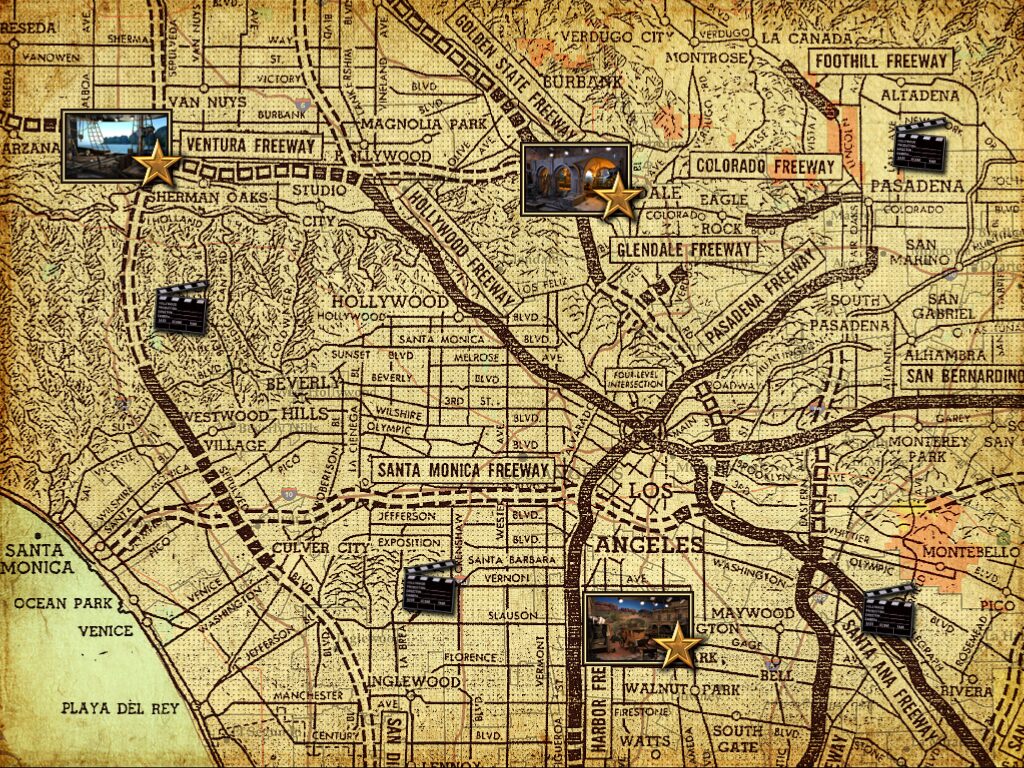
Visually, Hollywood: The Director’s Cut impresses with its vibrant set designs and thematic diversity. From fog-choked Victorian mansions to neon-lit street corners of a 1920s gangster film, each backdrop is lovingly rendered in bright, saturated hues. These well-crafted environments not only serve as eye candy but also help differentiate one movie set from another, keeping the search for items feeling fresh and distinct across chapters.
Character animations are limited—hidden object games seldom require full‐motion cutscenes—but subtle touches (a fluttering curtain, dust particles drifting through a shaft of light) add atmosphere without cluttering the screen. Object silhouettes and icons are crisp, ensuring that even smaller props remain discernible. The occasional zoom function further aids in maintaining clarity, letting you isolate and inspect tiny items that might otherwise hide in plain sight.
Technical performance is rock-solid. Loading times between scenes are brief, and the game runs smoothly even on older hardware. There’s no stuttering or slowdown during zoom operations, and the hint recharge animation is seamless. While you won’t find the hyper-realistic visuals of blockbuster 3D titles here, the polished 2D artistry perfectly complements the game’s laid-back, puzzle-driven nature.
Story
At its heart, Hollywood: The Director’s Cut is a day-in-the-life tale of an assistant set designer trying to prove themselves in the movie business. Your unseen boss tasks you with cleaning up sets, rallying broken props and ensuring every scene is photo-ready for the cameras. Although the narrative framework is light, it provides all the motivation you need to hustle from one film shoot to the next.
Dialogue and cutscenes are minimal, but brief interludes between levels hint at studio politics, tight deadlines and the odd diva meltdown—reminders that you’re working in the high-pressure world of showbiz. This sparseness helps maintain focus on the gameplay, yet it leaves room for your imagination to fill in the backstage drama. For players who love making up stories around their puzzle-solving, these breadcrumbs of plot will delight.
Trivia segments reinforce the movie-studio atmosphere, quizzing you on classic films, famous directors and era-specific tidbits. While some questions feel too easy for cinema buffs, others can catch you off-guard, reinforcing the feeling that the studio head expects nothing but your best. Though the story isn’t the game’s main draw, it does enough to establish context and keep the hidden object hunts tied together in a coherent Hollywood adventure.
Overall Experience
Hollywood: The Director’s Cut delivers a polished hidden object experience wrapped in a fun, film-production theme. Its straightforward mechanics, combined with the occasional trivia challenge, strike a nice balance between relaxation and mental engagement. Whether you’re a casual puzzle fan or a dedicated hidden object aficionado, there’s enough variety in sets and scenarios to sustain interest over several hours of play.
The biggest highlights are the richly detailed backdrops and smooth, intuitive interface. Newcomers will appreciate the generous hint system and clear tutorials, while veterans will enjoy tightening their hunt times and testing their movie knowledge. The only real drawback is the potential repetitiveness if you get stuck on a trivia question and must replay a scene—though some may argue this reinforces mastery and replay value.
In sum, Hollywood: The Director’s Cut shines as an engaging, beautifully presented hidden object game. It won’t revolutionize the genre, but it refines tried-and-true mechanics with a charming movie studio setting and a dash of trivia flair. If you’ve ever wanted to play a behind-the-scenes role in Hollywood’s golden age—without worrying about budgets or bad publicity—this title is a solid pick.



Reviews
There are no reviews yet.