 Retro Replay Retro Replay gaming reviews, news, emulation, geek stuff and more!

Retro Replay Review
Gameplay
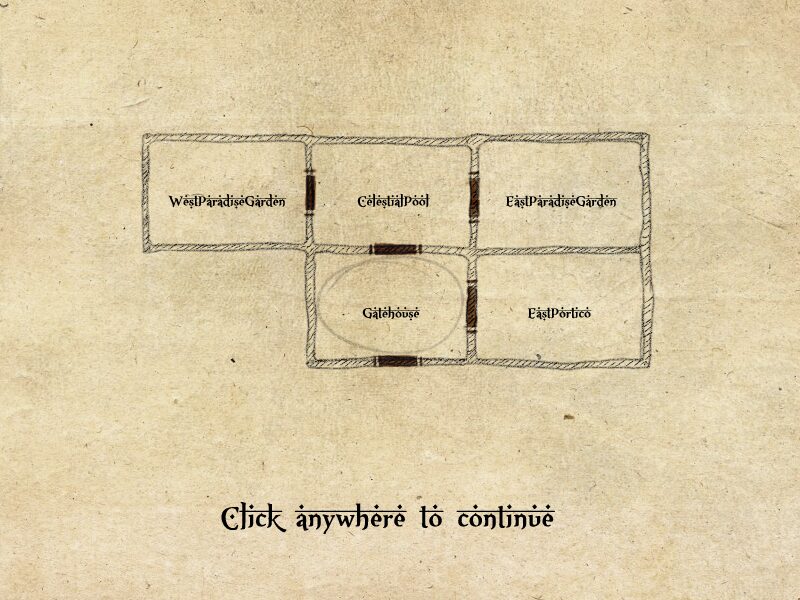
Romancing the Seven Wonders: Taj Mahal blends classic hidden-object mechanics with point-and-click adventure exploration. Players navigate the lush grounds of the Taj Mahal, moving between interconnected scenes by clicking exit hotspots placed at screen edges or on obvious portals such as doorways and archways. This familiar navigation system feels intuitive, letting you focus on discovery rather than wrestling with the interface.
(HEY YOU!! We hope you enjoy! We try not to run ads. So basically, this is a very expensive hobby running this site. Please consider joining us for updates, forums, and more. Network w/ us to make some cash or friends while retro gaming, and you can win some free retro games for posting. Okay, carry on 👍)
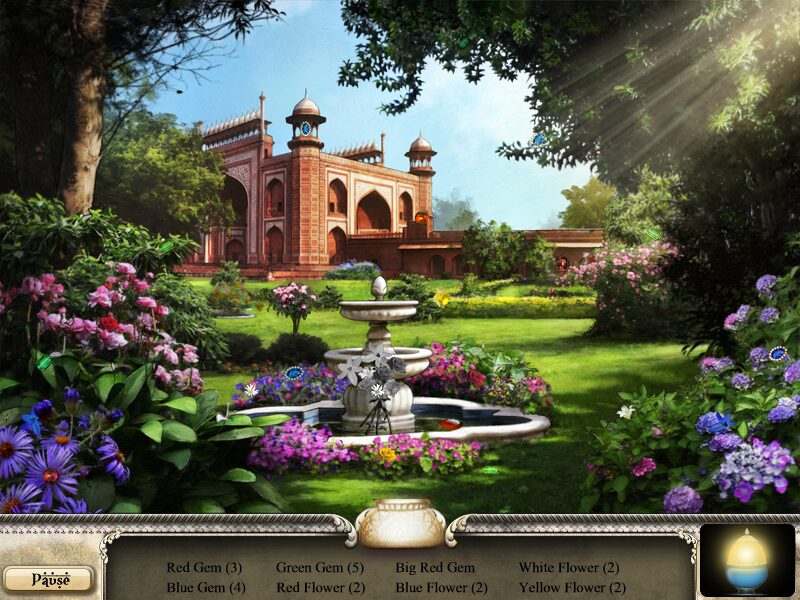
Across each scene, seek-and-find challenges task you with locating objects listed in the bottom interface. Some items vanish directly back into the tray, awaiting use in later puzzles, while others remain purely collectible. A cleverly designed hint system—represented by an ornate urn in the bottom-right corner—reveals the position of a missing object at the cost of a brief recharge period, keeping progression smooth without trivializing the challenge.
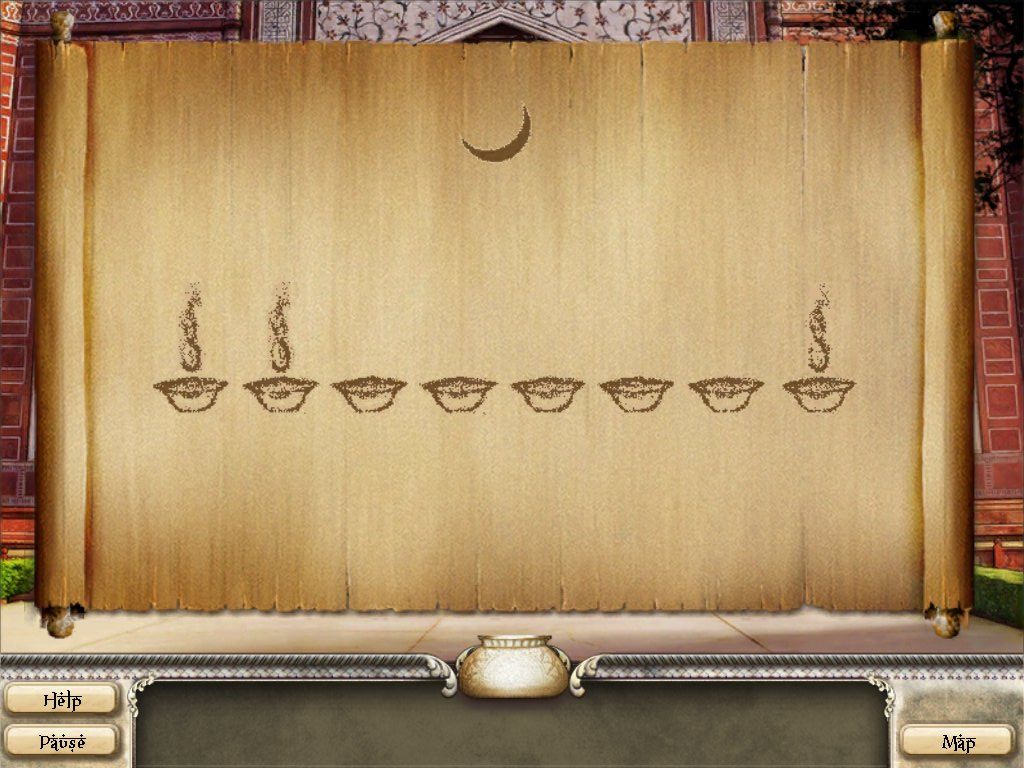
Hidden-object segments seamlessly transition into stand-alone mini-games and puzzles. Inventory items are dragged and dropped onto tangram boards or decorative panels covered in jewels, requiring spatial reasoning and a steady hand. Occasionally, intricate mechanical devices appear, demanding direct manipulation of gears, levers, or locks to advance. The variety of tangrams, pattern matching, and gear puzzles ensures that each new screen offers a fresh mental test.
Overall, the pacing balances leisurely exploration with satisfying moments of problem-solving. If you find yourself stuck, the hint urn refills after a short wait, nudging you back on track without harsh penalties. For enthusiasts of both hidden-object hunts and light adventure play, the gameplay loop remains engaging from start to finish.
Graphics
The visual presentation of Romancing the Seven Wonders: Taj Mahal is its crowning jewel. Lush, hand-painted backgrounds capture the serene beauty of the mausoleum’s gardens, reflecting delicate water canals and marble facades under warm sunlight. Every vista—from shaded walkways to ornate pavilions—feels lovingly rendered, transporting players to 17th-century India.
Animations are subtle but effective. Gentle breezes stir the leaves of cypress trees, ripples dance on reflecting pools, and distant birds flit across the sky. These small touches imbue each static scene with life, enhancing immersion without distracting from the hidden-object tasks at hand. The score and ambient sounds of wind chimes further complement the visuals, forging a tranquil atmosphere.
The user interface integrates seamlessly with the art style. Inventory slots are etched brass trays that sit unobtrusively at the bottom of the screen, and the urn-shaped hint button mirrors Mughal architectural motifs. Puzzles open in elegant pop-up frames adorned with carved filigree, maintaining the game’s aesthetic consistency even when you move away from the main scenes.
Story
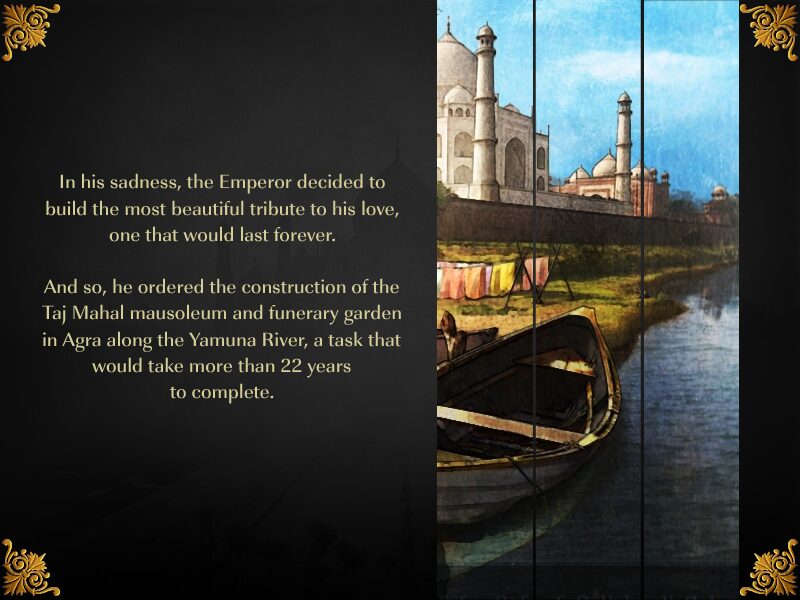
Rooted in the poignant history of the Taj Mahal, the narrative unfolds as a tribute to Emperor Shah Jahan’s devotion to his wife Mumtaz Mahal. While the game does not delve into a fully scripted dialog, scattered journal entries and voice-over excerpts recount tales of love, loss, and commemoration. Each new area reveals a piece of this emotional mosaic, lending meaningful context to the puzzles.
Historical facts are woven into collectible letters and artifacts, encouraging you to linger in each scene and absorb period details. Discovering an old coin or a faded manuscript not only advances your objectives but also deepens your appreciation for the real-world masterpiece. The game’s developers strike a respectful tone, honoring the cultural significance of the Taj Mahal without resorting to superficial clichés.
Although the overarching plot remains relatively straightforward—explore, collect, and solve—the emotional resonance of the monument’s backstory elevates the experience. Rather than being a mere backdrop, the mausoleum and its story become integral to every hidden-object challenge and puzzle, ensuring that each success feels thematically meaningful.
Overall Experience
Romancing the Seven Wonders: Taj Mahal offers a serene yet stimulating journey through one of the world’s most iconic monuments. Casual puzzle gamers and hidden-object aficionados will appreciate its gentle difficulty curve and the well-paced hint system. The game strikes a balance between relaxation and mental engagement, making it ideal for players looking to unwind with a touch of intellectual challenge.
Replayability is modest but meaningful: you can revisit unfinished collectible lists, replay favorite puzzles, or challenge yourself to complete the game without using hints. While the core playtime spans a few hours, each minute feels deliberate and polished, making the title well-suited for short gaming sessions or a weekend marathon.
In summary, Romancing the Seven Wonders: Taj Mahal is a thoughtfully crafted hidden-object adventure that brings history to life through elegant visuals, varied puzzles, and a touching narrative. If you’re drawn to beautifully rendered environments and puzzles that complement rather than dominate the story, this tribute to the Taj Mahal is well worth exploring.


Reviews
There are no reviews yet.