 Retro Replay Retro Replay gaming reviews, news, emulation, geek stuff and more!

Retro Replay Review
Gameplay
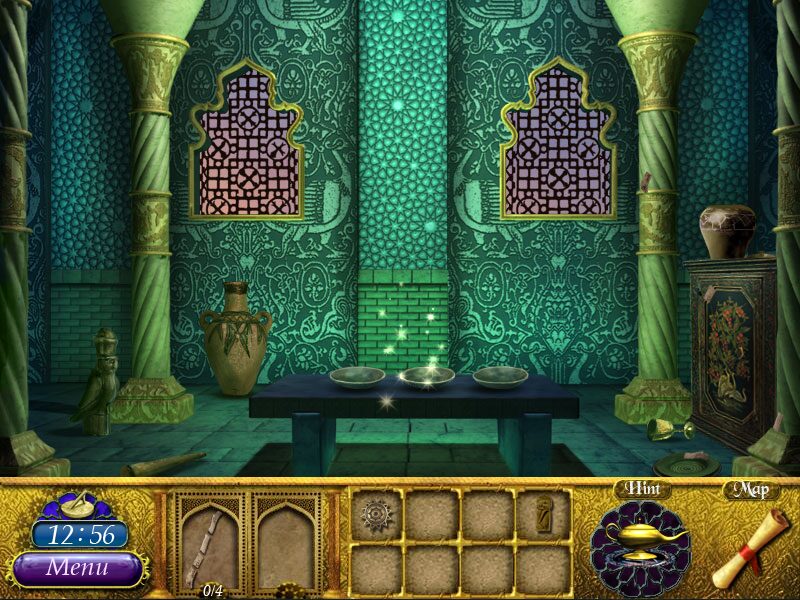
The Sultan’s Labyrinth: A Royal Sacrifice builds on the hidden-object/adventure formula of its predecessor, delivering a balanced mix of exploration, item gathering, and puzzle solving. Each chapter unfolds across three distinct rooms, and the challenge of piecing together shattered object fragments adds an extra layer of engagement. Rather than a simple list of items to find, the game shows silhouette-style icons at the bottom of the screen indicating which pieces remain, encouraging players to scrutinize every corner of the richly detailed environments.
(HEY YOU!! We hope you enjoy! We try not to run ads. So basically, this is a very expensive hobby running this site. Please consider joining us for updates, forums, and more. Network w/ us to make some cash or friends while retro gaming, and you can win some free retro games for posting. Okay, carry on 👍)
Inventory management is intuitive yet demands strategic thinking. Once an object is reassembled, it occupies one of the slots at the bottom of the screen. Drag-and-drop mechanics let you use these items on logical hotspots—unlocking doors, triggering hidden compartments, or repairing intricate mechanisms. As you shuttle between interconnected rooms, a faint breadcrumb trail of clues emerges, rewarding methodical backtracking and careful observation.
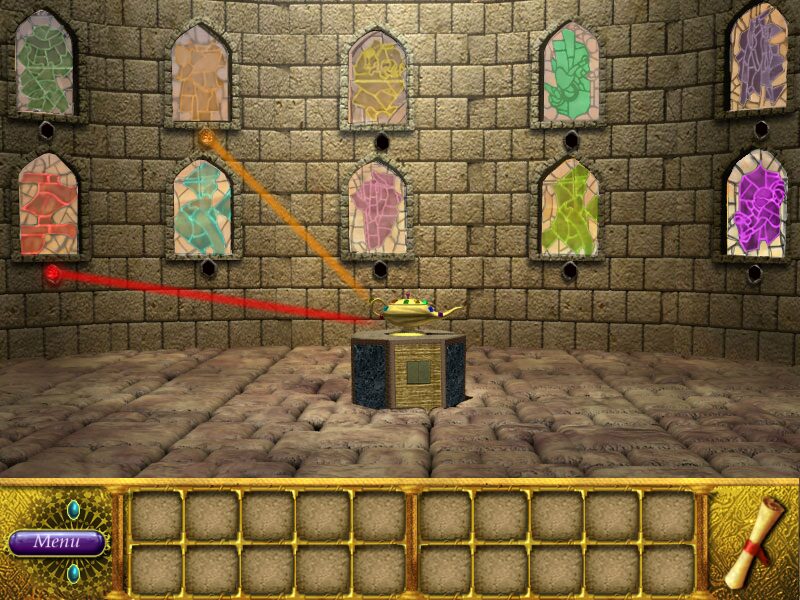
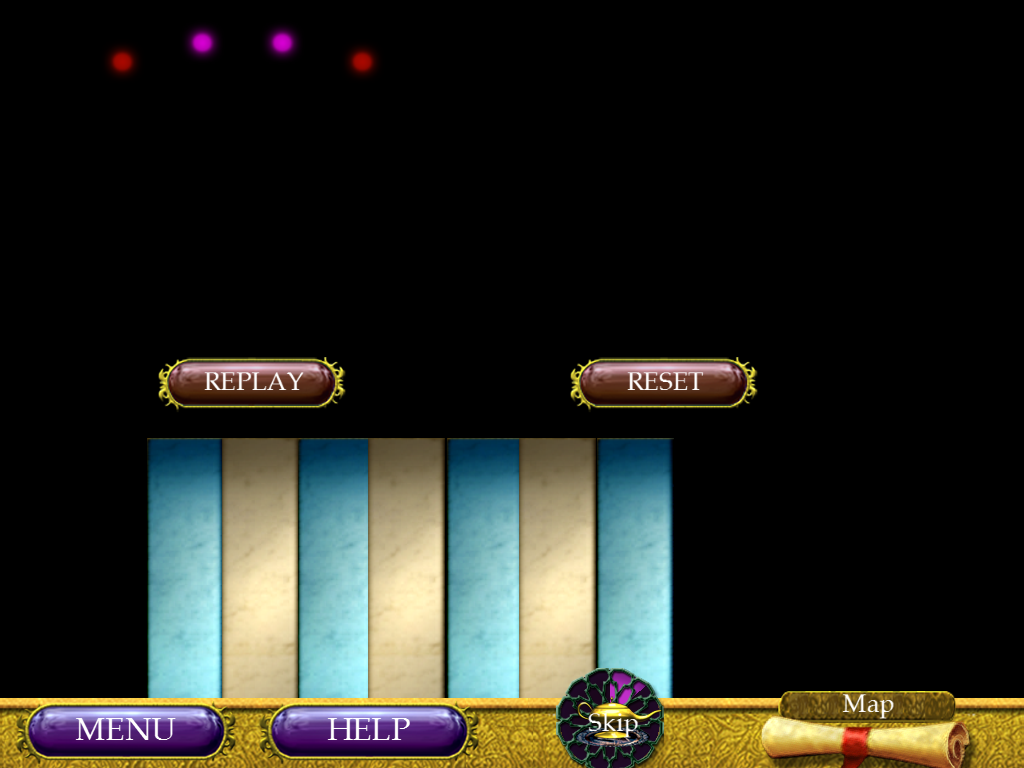
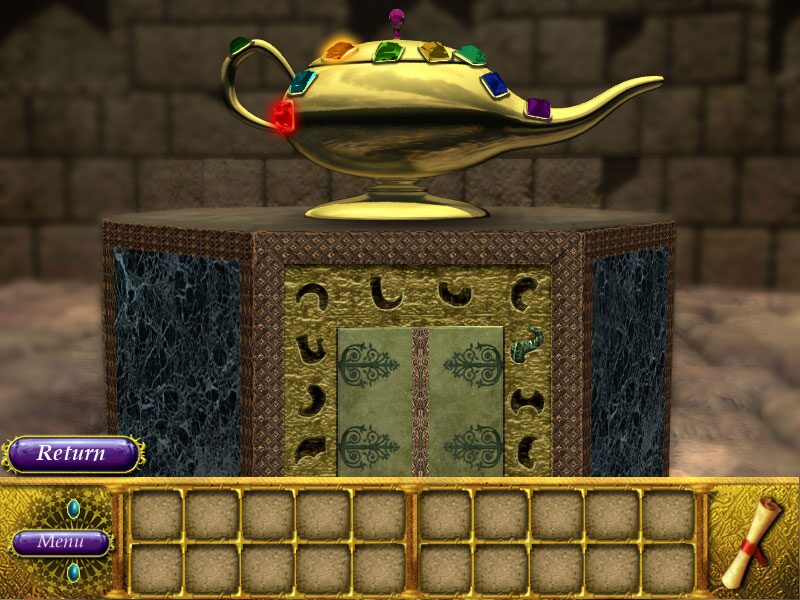
Puzzles are woven seamlessly into the hidden-object framework. Beyond straightforward item hunts, the game challenges you with a variety of mini-games: playing musical sequences on an ornate keyboard, balancing fruit of varying sizes in bowls, or deciphering arcane inscriptions. A generous hint system—represented by the ever-present genie lamp—can reveal one missing fragment at a time, though it requires a cooldown period after use. This ensures that novice players aren’t left stranded, while veterans can opt to forego hints altogether.
Graphics
Visually, The Sultan’s Labyrinth transports players to an evocative Persian court frozen in time. Every scene brims with hand-painted detail: ornate tilework glimmers in torchlight, tapestry fringes sway gently, and scattered relics hint at the tragic fate of Sultan Bahar. The warm color palette of reds, golds, and turquoise evokes regal opulence, while darker corners and shadowy recesses convey the labyrinth’s foreboding atmosphere.
Character portraits and cutscenes add emotional depth without veering into cartoonish territory. Tallis’s expressive features reveal his mix of grief, guilt, and determination as he navigates the genie’s trials. Subtle sound effects—like the creak of a wooden floorboard or the distant drip of water—enhance immersion, though some players may notice a handful of static backgrounds in seldom-used rooms.
Transitions between scenes are smooth, and animated flourishes—such as swirling dust motes or a flicker of lantern light—prevent environments from feeling static. While the mini-games utilize simpler art styles to differentiate them from core exploration segments, they maintain the same thematic motifs, ensuring the experience remains visually cohesive throughout.
Story
At its heart, The Sultan’s Labyrinth unfolds a tale of sacrifice, redemption, and the weight of ancestral sins. Sultan Bahar’s untimely death leaves Persia mourning, but when a capricious genie declares the late monarch’s soul forfeit, the burden falls on Tallis—Bahars’s devoted son-in-law. This narrative premise transforms a standard hidden-object romp into a personal journey of atonement.
Dialogues between Tallis and the genie are peppered with dry humor and ominous warnings, instilling a sense of urgency as you delve deeper into the maze. Scattered scrolls and journal entries fill in backstory, revealing whispers of Bahar’s past transgressions and the mystical lore that binds the labyrinth. Although voiceovers are limited, well-placed character sound bites heighten key emotional beats.
Each chapter concludes with a cinematic interlude that advances the plot, from confronting spectral guardians to arguing with the genie over divine justice. While some puzzle outcomes feel linear, the story’s steady pacing keeps players invested in Tallis’s quest to save Bahar’s soul—and, by extension, the kingdom’s future.
Overall Experience
The Sultan’s Labyrinth: A Royal Sacrifice successfully marries hidden-object gameplay with an engaging narrative, making it a standout title for fans of casual adventure games. Its moderate difficulty curve ensures newcomers won’t feel overwhelmed, yet puzzle aficionados will appreciate the variety and occasional brain-teasing lateral thinking required. The hint lamp’s cooldown mechanic is a thoughtful compromise for players who need assistance without breaking immersion.
Replay value stems more from the desire to revisit the lush environments and savor the story than from randomized object placements. Though the scenes remain static across playthroughs, alternate puzzle skip-options and the satisfaction of completing each chapter without hints offer players a clean-room run to test their skills.
Ultimately, The Sultan’s Labyrinth: A Royal Sacrifice is an atmospheric hidden-object adventure that enchants with its Persian setting, compelling storyline, and polished presentation. Whether you’re seeking a relaxing puzzle fix or an immersive narrative journey, Tallis’s maze delivers a memorable experience that lingers long after you solve the final puzzle.


Reviews
There are no reviews yet.