 Retro Replay Retro Replay gaming reviews, news, emulation, geek stuff and more!
Retro Replay Review
Gameplay
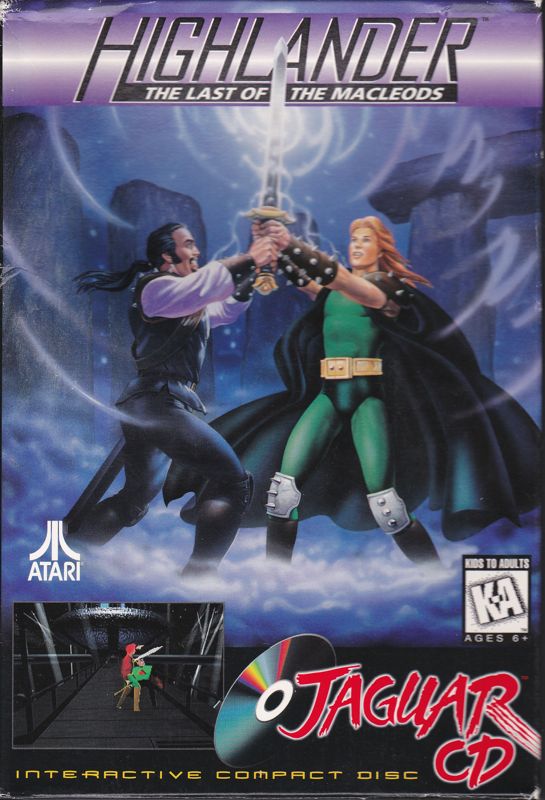
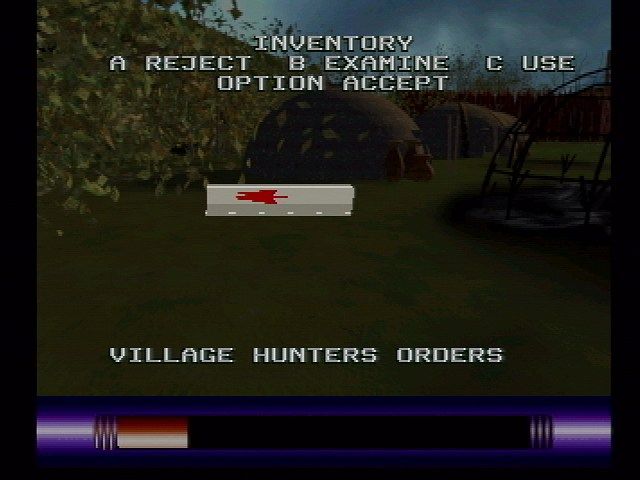
Highlander: The Last of the MacLeods places you squarely in Quentin’s boots, offering a blend of action and adventure that demands both reflexes and reasoning. Combat revolves around swordplay and occasional stout shield blocks, with each guard encounter requiring precise timing rather than button-mashing. The game’s inventory system encourages strategic item management—health potions, keys, and relic fragments must be balanced in your limited pouch space, turning every pick-up into a meaningful choice.
(HEY YOU!! We hope you enjoy! We try not to run ads. So basically, this is a very expensive hobby running this site. Please consider joining us for updates, forums, and more. Network w/ us to make some cash or friends while retro gaming, and you can win some free retro games for posting. Okay, carry on 👍)
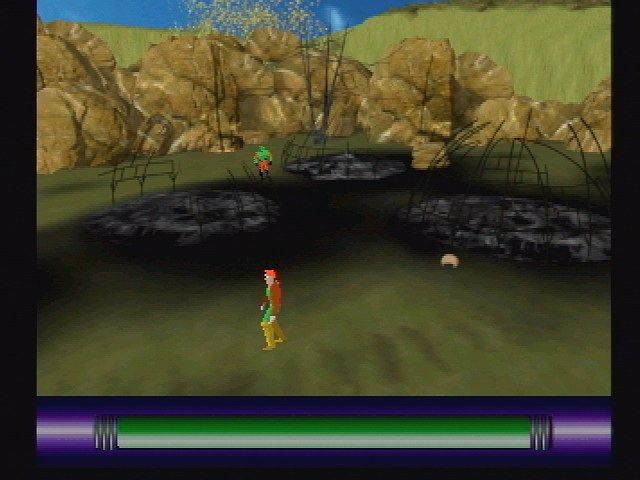
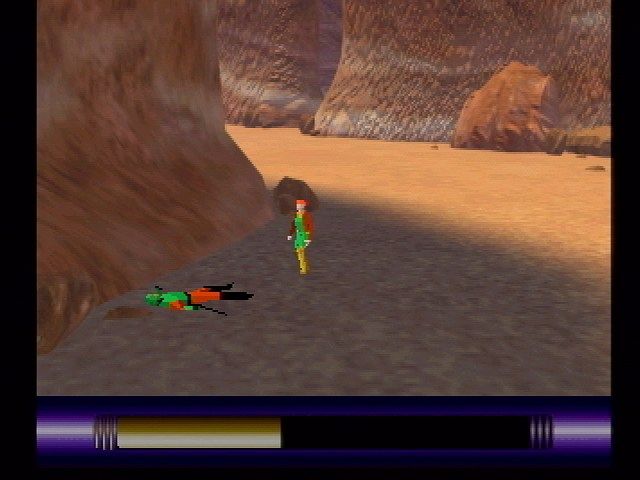
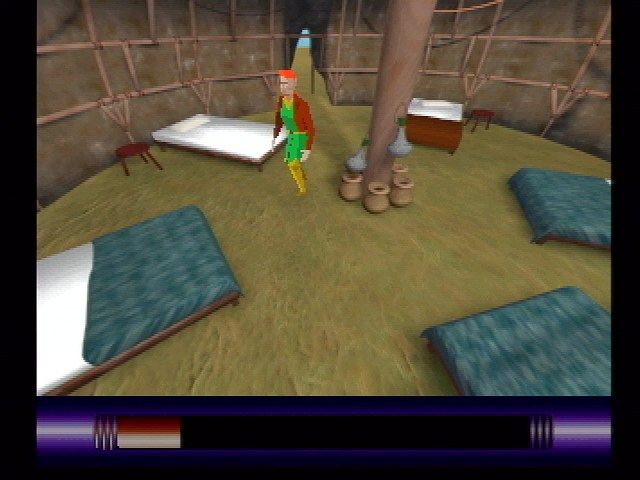
Exploration is the heart of the experience. Pre-rendered 3D environments invite you to scour every corner of medieval castles, misty forests, and hidden crypts. Fixed camera angles not only heighten the atmospheric tension but also force you to memorize layouts and backtrack carefully when new keys or abilities open previously unreachable paths. Puzzle elements—such as weighted pressure plates or hidden levers—feel organically integrated into the world.
The immortality twist unfolds gradually through gameplay. Early on, Quentin relies on conventional health bars, but as you uncover your heritage and mystical artifacts, you gain subtle buffs and resilience. This sense of progression—from vulnerable villager to battle-hardened Immortal—lends each combat encounter increasing weight. Boss fights against Kortan’s lieutenants are often multi-stage affairs, combining environmental hazards with timed attacks that test both your puzzle-solving and swordsmanship.
Graphics
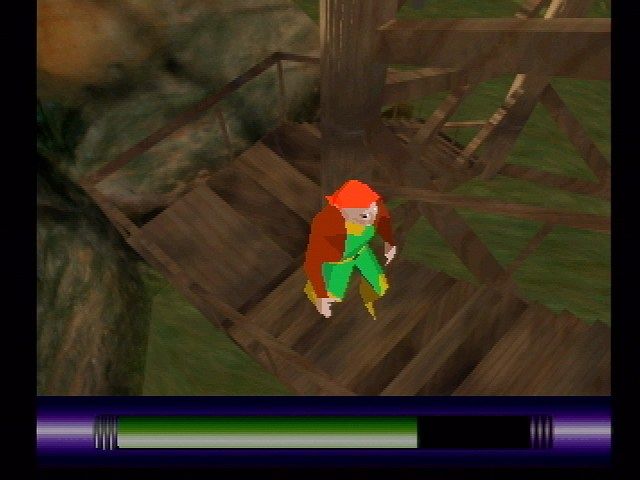
Visually, Highlander: The Last of the MacLeods leans into its pre-rendered backgrounds to evoke the grim beauty of its Scottish-inspired realms. Stone corridors glow with flickering torchlight, while overgrown battlements rise under charcoal skies. Though the characters are rendered as 3D models, their animations occasionally feel stiff—yet this rigidity is offset by carefully composed camera angles that mimic animated series storyboards.
Textures across walls, wooden beams, and ancient ruins showcase surprising detail for a game of its era, and the interplay of light and shadow enhances the sense of foreboding. Cutscenes, styled after the animated TV series, employ subtle cell-shading touches that underscore the game’s origins. While transitions between in-game models and cutscene art can be jarring, they also reinforce the narrative flavor, reminding players of the overarching Highlander mythos.
Character design stays true to the animated series aesthetic: Quentin’s blue tunic and Kortan’s blood-red cloak both stand out crisply against muted backdrops. Enemies—ranging from leather-armored guards to hulking gargoyle statues—are distinctive, if occasionally repetitive. Overall, the graphics strike a balance between functional clarity during play and evocative atmosphere during exploration.
Story
The narrative thrust begins with a brutal inciting incident: Quentin’s mother is murdered, and his fellow villagers are carted off by the ruthless immortal Kortan. You quickly learn that Quentin himself is an Immortal, destined to confront a legacy he never knew he had. This revelation sets up compelling motivations—revenge, duty, and the salvation of an entire people.
Story beats unfold through journal entries, environmental clues, and stylized cutscenes that pay homage to the animated series. Encounters with NPCs—surviving villagers, a cryptic druid, and even a fellow Immortal or two—add depth, though dialogue can sometimes feel expositional. Still, moments such as discovering your first “Quickening” or standing atop a storm-lashed tower to survey your land lend genuine emotional weight.
While the overarching quest to defeat Kortan remains straightforward, side areas and optional challenges reward players with fragments of Highlander lore. These collectible memories flesh out the backstory of ancient clans and past Immortals, weaving a tapestry that fans of the films and cartoons will appreciate. The story’s pacing is deliberate, inviting players to savor each chapter of Quentin’s destiny rather than rushing toward the final confrontation.
Overall Experience
Highlander: The Last of the MacLeods offers a unique fusion of action, puzzles, and narrative that will resonate most with fans of classic adventure titles. The fixed-camera perspective, while occasionally disorienting, enhances the feeling of stepping into a well-crafted storybook world. Combat strikes a fair balance between challenge and accessibility, rewarding patience and observation.
Some technical rough edges remain—camera transitions can obscure enemies, and inventory management may frustrate completionists—but these are outweighed by the game’s immersive environments and engaging mythos. The soundtrack, featuring haunting bagpipes and orchestral swells, further cements the game’s epic atmosphere.
Ultimately, this title stands as a solid choice for those who appreciate methodical exploration, a richly woven Highlander narrative, and atmospheric set-pieces. Quentin MacLeod’s journey from innocent villager to consummate Immortal leader delivers both nostalgia and fresh discovery, making it a worthy adventure for gamers seeking a blend of story-driven action and cerebral puzzle-solving.


Reviews
There are no reviews yet.