 Retro Replay Retro Replay gaming reviews, news, emulation, geek stuff and more!

Retro Replay Review
Gameplay
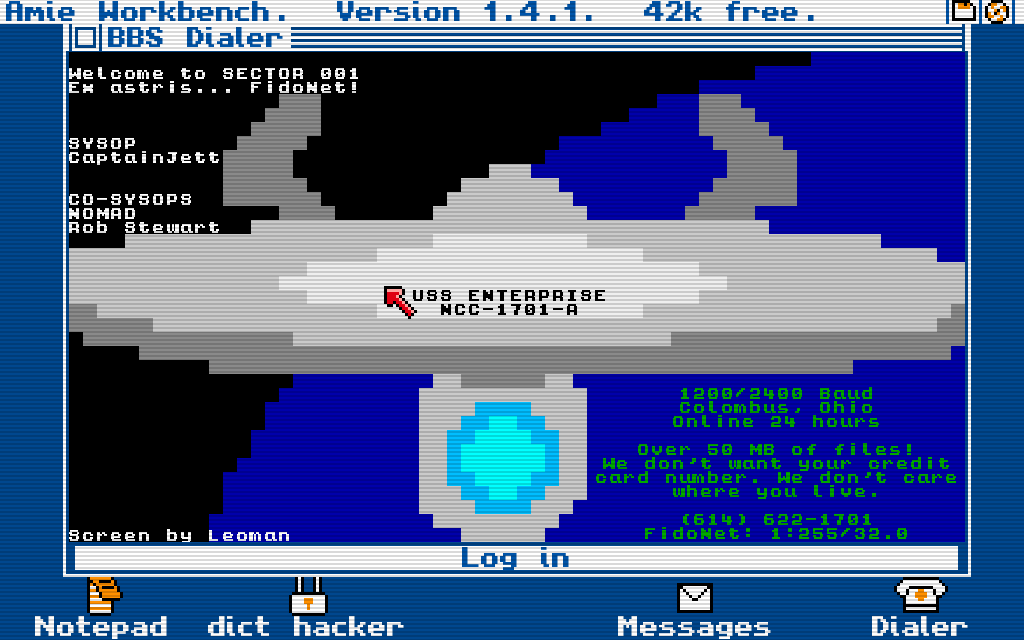
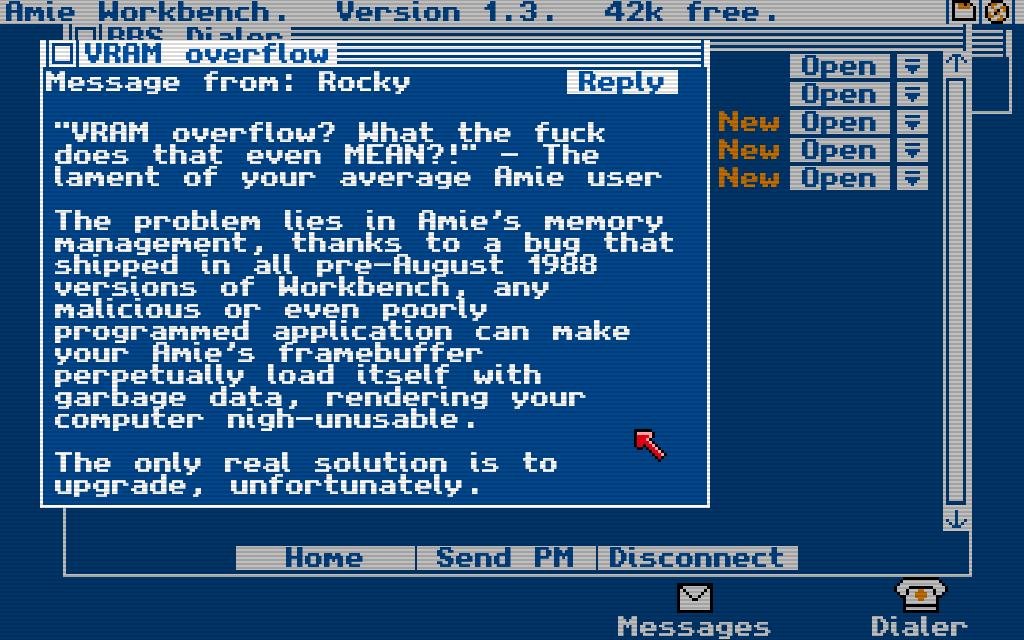
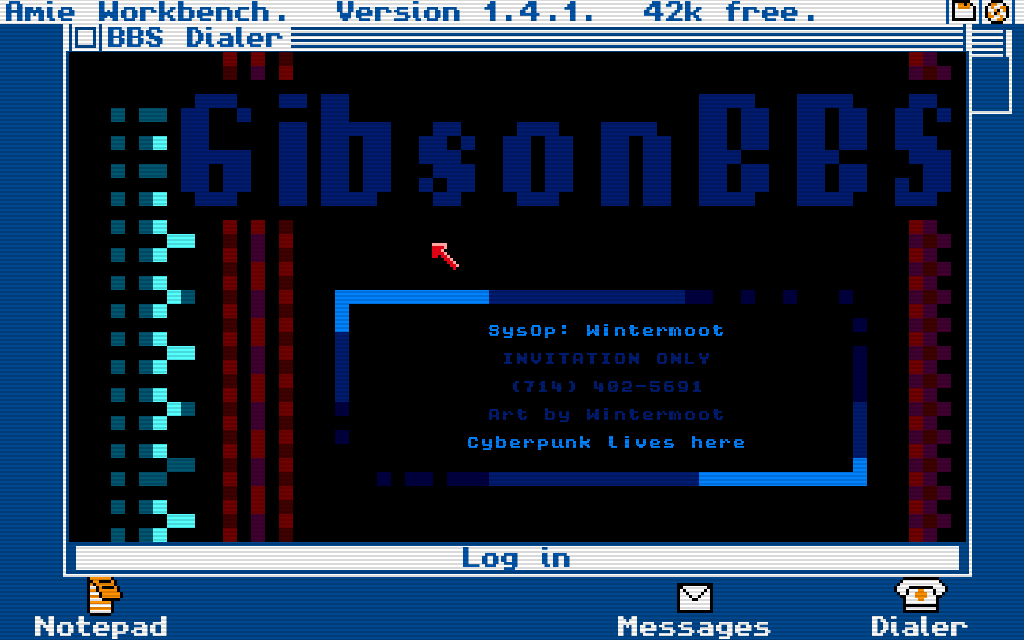
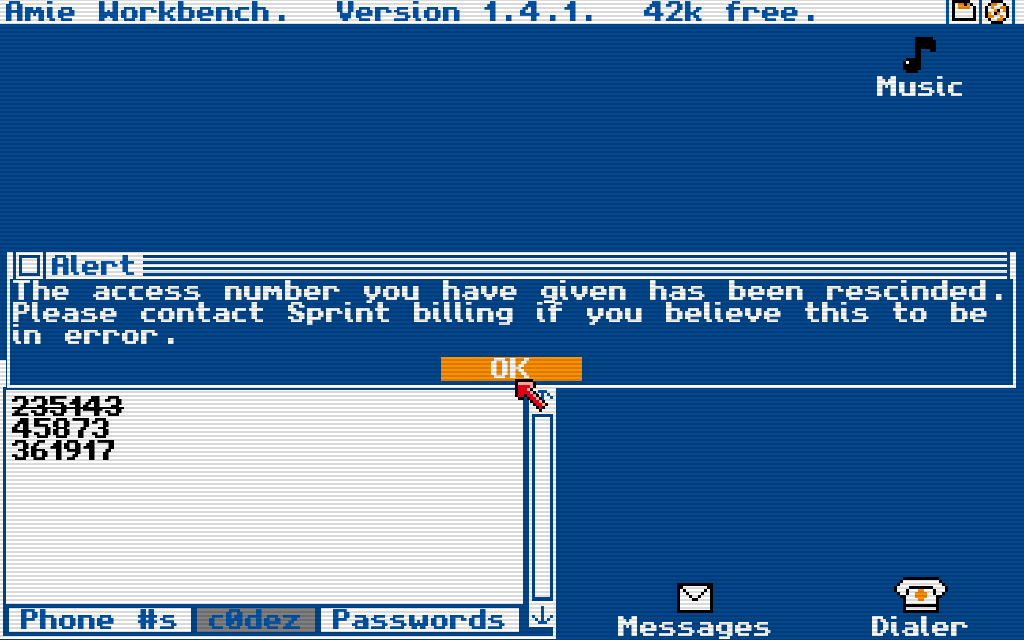
Digital: A Love Story stands out through its innovative interface, transporting players back to the dawn of the internet. Instead of the usual point-and-click or text parser adventures, you navigate a retro computer desktop and a dialer. This means every action, from checking messages to dialing new bulletin board systems (BBSes), feels tactile and authentic. The game rewards curiosity—exploring directories, cracking security protocols, and piecing together clues from message headers all contribute to a sense of genuine digital archaeology.
(HEY YOU!! We hope you enjoy! We try not to run ads. So basically, this is a very expensive hobby running this site. Please consider joining us for updates, forums, and more. Network w/ us to make some cash or friends while retro gaming, and you can win some free retro games for posting. Okay, carry on 👍)
Progression in Digital is driven by conversation and investigation rather than combat or resource management. You don’t type responses yourself; the system auto-generates replies based on your choices, leaving you to infer tone and intent from other users’ messages. This creates a satisfying puzzle element: by reading between the lines and responding thoughtfully, you unlock new BBS nodes, download custom software, and gain access to hidden conversations.
The hacking mechanics are deceptively simple but deeply engaging. You learn to exploit long-distance dialing for free calls, crack into password-protected boards, and apply upgrades to your Amie Workbench. Each new tool and technique opens more of the story, making each breakthrough feel earned. While the technical veneer may seem intimidating, the game gradually introduces concepts, ensuring all players—tech novices and veterans alike—can follow the trail of clues without feeling lost.
Graphics
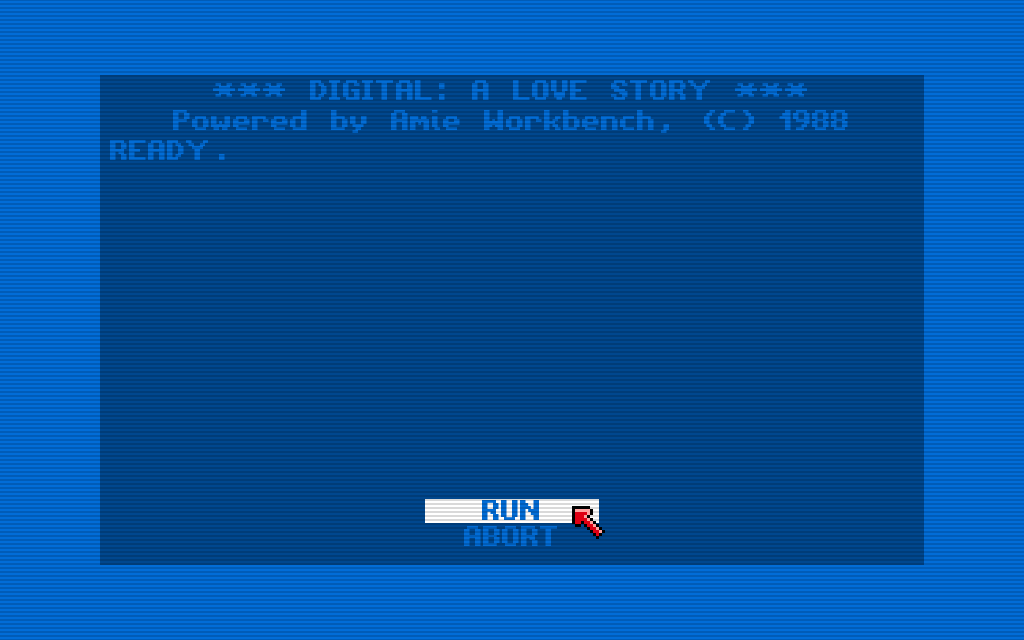
Visually, Digital: A Love Story embraces minimalism. The game’s aesthetic is pure 1988, with low-resolution pixel fonts, monochrome screens, and blocky icons that evoke the era’s computing hardware. Rather than distracting you with flashy visuals, this stripped-down approach deepens the sense of immersion, making every message and UI element feel like an authentic artifact of early online culture.
The BBS environments are represented entirely through text and simple ASCII graphics, yet they manage to convey distinct personalities. From friendly community boards full of poetry to heavily secured hacker forums, each node feels unique. The occasional animated dial-tone indicator and blinking cursor are subtle flourishes that bring the world to life without compromising the retro vibe.
One of the strengths of Digital’s design is how it uses scarcity to its advantage. Limited color palettes and rudimentary layout choices force you to focus on substance over style—forcing you to lean into your imagination. The result is a game that feels more like a lost relic than a modern simulation, amplifying the emotional resonance of the narrative.
Story
At its core, Digital: A Love Story is a tale of connection in an analog world. You play as a new owner of the Amie Workbench, quickly drawn into the orbit of Emilia, a charismatic poet posting on a private BBS. What begins as casual chats about sonnets and science fiction soon blossoms into a heartfelt romance conducted entirely through electronic pulses and printed text.
Beyond the love story, the game weaves a deeper mystery involving shadowy organizations, urgent transmissions, and a brewing cyber-threat. As you follow the breadcrumbs—hidden directories, coded messages, and system logs—the stakes climb steadily. This tension between intimate courtship and global intrigue keeps the narrative engaging and unpredictable, even though all the action is conveyed through a simulated terminal.
Emotion is at the heart of the experience. The fact that you never see character portraits or hear voice acting intensifies the impact of every carefully worded message. Small revelations—like the subtext of a late-night login or a hurriedly typed apology—resonate more strongly because you’re piecing them together yourself. By the time the credits roll, Digital feels less like a game and more like a poignant memory of first love and fledgling digital communities.
Overall Experience
Digital: A Love Story is more than a visual novel; it’s an interactive time capsule. In under two hours, you’ll laugh at retro jokes, marvel at dial-up sound effects, and perhaps shed a tear for characters who exist only as text files. The pacing is brisk, but the emotional beats land with surprising weight, making it an ideal pick for players who appreciate narrative-driven experiences.
While some might miss more traditional gameplay elements—platforming, branching dialogue trees, or RPG mechanics—the game’s unique interface and storytelling approach make up for what it lacks in scale. It’s perfectly suited for those who cherish indie classics and want a taste of early networked life without wading through dense technical manuals or cryptic commands.
For anyone intrigued by digital archaeology, romance in unlikely places, or the history of online subcultures, Digital: A Love Story is an unforgettable journey. Its blend of mystery, nostalgia, and emotional resonance ensures that it will stay with you long after you disconnect. Whether you’re a seasoned retro gamer or a newcomer curious about the pre-web era, this compact gem offers an experience unlike any other.


Reviews
There are no reviews yet.