 Retro Replay Retro Replay gaming reviews, news, emulation, geek stuff and more!
Retro Replay Review
Gameplay
GearHead places you in the cockpit of a customizable mecha, tasking you with leading a rag-tag lance of pilots through procedurally generated missions and skirmishes. From the outset, you’ll notice the depth of mechanized customization: each frame can be refitted with a variety of weapons, armor plates, boosters, and cybernetic enhancements. Whether you prefer brawling close-quarters with chain weapons or picking off foes from afar with long-range beam rifles, the game’s modular design ensures that no two playthroughs feel identical.
(HEY YOU!! We hope you enjoy! We try not to run ads. So basically, this is a very expensive hobby running this site. Please consider joining us for updates, forums, and more. Network w/ us to make some cash or friends while retro gaming, and you can win some free retro games for posting. Okay, carry on 👍)
The turn-based combat unfolds on a grid reminiscent of classic roguelikes, but with a cinematic anime twist. You issue commands to your mecha—move, attack, dodge, or activate special systems—and then watch the AI-controlled lancemates execute their own strategies. This blend of direct command and AI autonomy keeps battles fresh: your allies will overheat their reactors if you neglect cooling implants, or charge an enemy flank unannounced if their loyalty is high.
Outside of combat, you explore a sprawling post-war frontier. Random encounters can lead to ambushes by rogue pilots, salvage opportunities from battlefield wreckage, or diplomatic missions for rival factions. Reputation—or “renown”—drives how factions respond to you, opening unique missions or locking down lucrative salvage operations. Your lance members may applaud or abandon you based on the moral weight of your choices, adding a layer of interpersonal management to the tactical core.
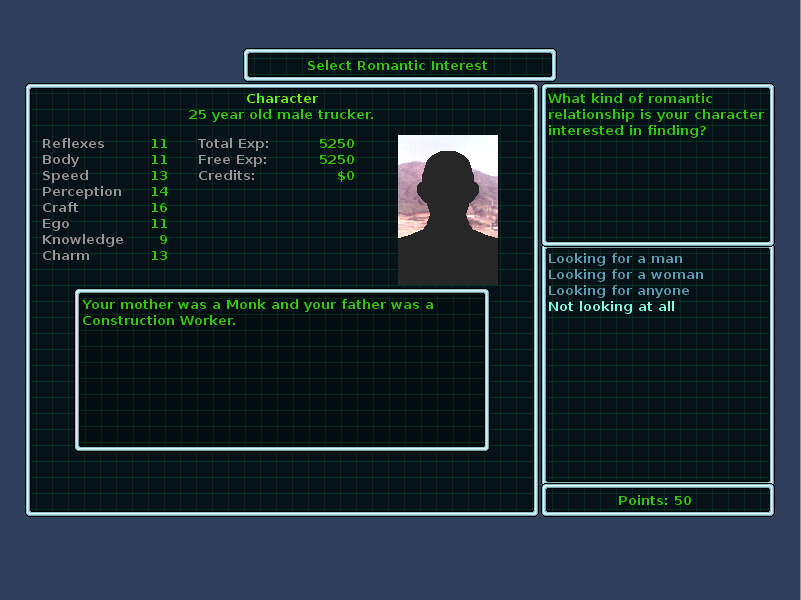
Finally, character progression ties everything together. Experience points earned in battle can be invested in skills and feats spanning piloting proficiency, cyber-tech aptitude, and leadership bonuses. Over time, you’ll shape a pilot whose talents reflect your preferred style, whether that’s a nimble flyer darting over obstacles or a juggernaut trudging through enemy fire. This RPG element, combined with randomized maps and encounters, gives GearHead immense replay value.
Graphics
GearHead offers two distinct visual modes: a traditional tile-based ASCII presentation and a fully graphical interface. For purists who cherish the old-school roguelike aesthetic, the ASCII mode serves up clear, functional symbols that keep the focus squarely on strategy. Icons for mecha, terrain, and items are instantly recognizable, though newcomers may face a steeper learning curve interpreting them at first glance.
The graphical variant, by contrast, leans into anime-inspired sprites and backdrops. Mecha designs are rendered with bold outlines and vibrant color palettes, capturing the feel of a high-energy mech anime. Battle animations—beam blasts, missile trails, and mechanical joints whirring—add cinematic flair to each turn-based exchange. While not on par with modern AAA mech titles, the art style is charming, consistent, and brims with personality.
UI elements are thoughtfully laid out, balancing information density with readability. Status effects, weapon heat gauges, and mobility modes are displayed in dedicated panels, allowing you to track vital stats without hunting through nested menus. Even during hectic battles, you can quickly pivot between targeting systems or adjust your mecha’s loadout on the fly.
On the downside, some asset reuse becomes apparent over extended play sessions, especially in the graphical mode where certain map tiles and mecha parts repeat frequently. However, this is largely offset by the variety of equipment and the strategic depth of encounters, ensuring the visuals never feel overly stale.
Story
Set in a future where Earth’s governments and mega-corporations have laid waste to each other, GearHead’s narrative serves as a backdrop for the core mech-on-mech action. You begin by crafting your pilot’s background—corporate defect, government trooper, or outlaw engineer—and your choice influences the opening scenes and faction allegiances. This diversity lends a personal touch to each campaign.
At the start, the game auto-generates an arch-nemesis whose harrowing presence recurs throughout your journey. Periodic confrontations with this rival provide narrative landmarks, culminating in a final showdown that can end in triumph or tragic defeat. While the main storyline is straightforward, these set-piece battles heighten tension and reward players who invest emotionally in their pilot’s arc.
Companion interactions further enrich the narrative tapestry. Lancemates voice approval or disapproval based on your decisions, and their potential departures create real stakes in mission outcomes. Recruiting new pilots introduces fresh backstories and banter, making each addition to your lance feel earned.
Though the overarching plot doesn’t veer into deep philosophical territory, it functions well as a motivator for progression. GearHead’s narrative shines brightest when viewed as a series of living vignettes—small acts of heroism, betrayal, and camaraderie that unfold amidst the ruins of a shattered world.
Overall Experience
GearHead excels at marrying the strategic depth of roguelikes with the visceral thrill of anime-style mecha combat. The procedural generation keeps every sortie unpredictable, while the modular customization systems encourage creative experimentation. Even if you suffer defeat at the hands of a randomly generated boss, the lessons learned invariably fuel your next attempt.
The learning curve is admittedly steep: managing heat gauges, movement modes, weapon ranges, and companion morale all at once can be overwhelming for newcomers. However, the game rewards persistence. As you internalize its mechanics, the sense of mastery—when you configure the perfect mech or outmaneuver a lethal ambush—becomes genuinely satisfying.
Multiplied by the ASCII and graphical options, GearHead caters to both old-school roguelike enthusiasts and those craving a more polished presentation. Its expansive replayability and reactive world make it a standout title for players who appreciate depth and challenge over cinematic gloss.
In the end, GearHead stands as a unique entry in the mecha genre—one that champions strategy, customization, and emergent storytelling. If you’re eager to pilot your own giant robot through a war-torn future and relish the unpredictability of roguelike design, this game is well worth exploring.


Reviews
There are no reviews yet.