 Retro Replay Retro Replay gaming reviews, news, emulation, geek stuff and more!
Retro Replay Review
Gameplay
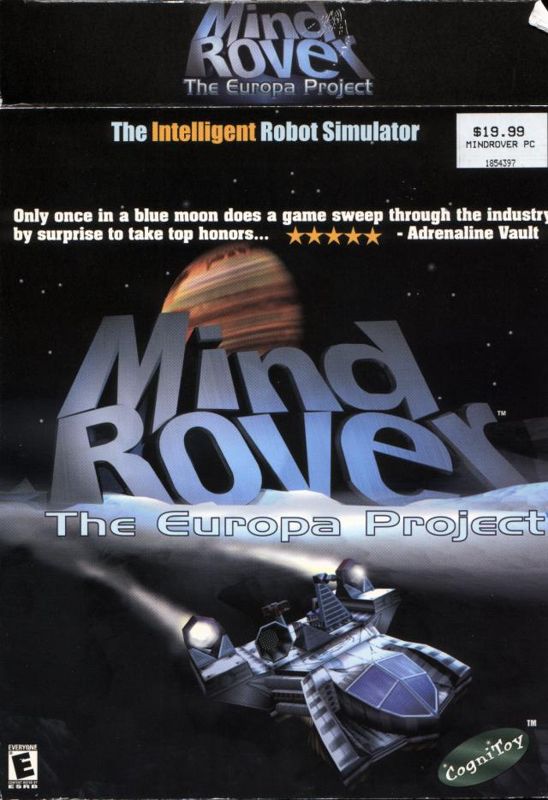
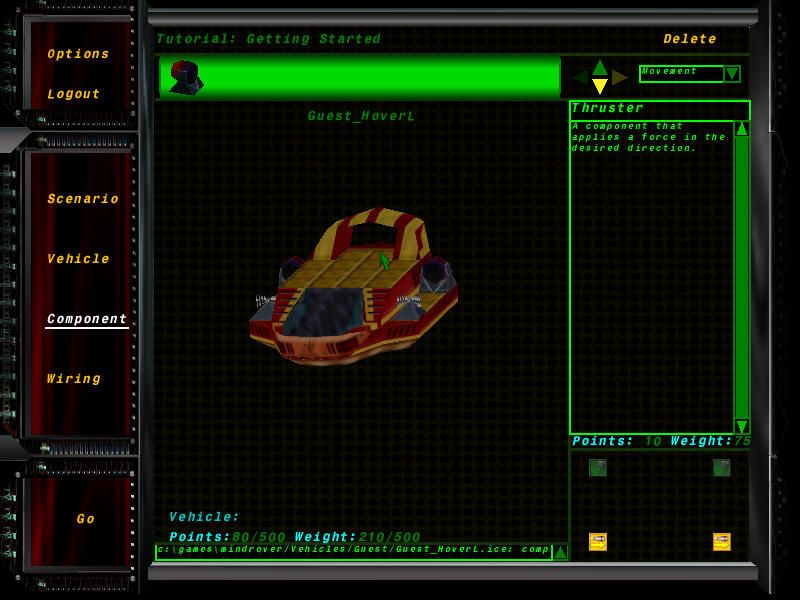
MindRover: The Europa Project places you in the driver’s seat—not of the robot itself, but of its very design and programming. From the outset, you’re given a basic chassis that you must transform into a competitive machine. Whether you’re building a nimble racer or a deadly destroyer, the core loop remains the same: select components, arrange them strategically, and wire them to behave intelligently on the field.
(HEY YOU!! We hope you enjoy! We try not to run ads. So basically, this is a very expensive hobby running this site. Please consider joining us for updates, forums, and more. Network w/ us to make some cash or friends while retro gaming, and you can win some free retro games for posting. Okay, carry on 👍)
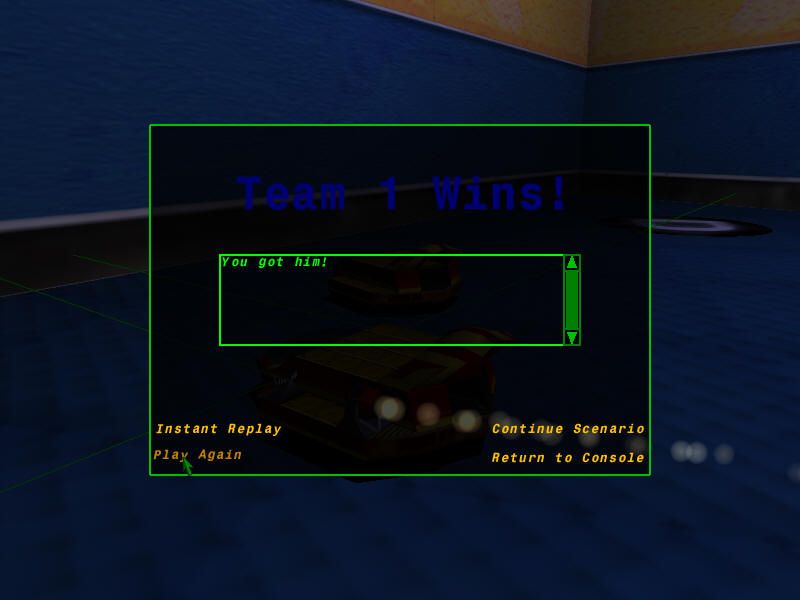
Each mission type challenges you to think differently. In racing events, precision thrusters and well-tuned steering logic make all the difference. Seek-and-destroy objectives force you to balance sensors, weapons, and armor. The thrill of watching your instructions unfold in real time is unparalleled—you’ll find yourself iterating endlessly to shore up weaknesses or optimize speed.
What sets MindRover apart is its programmable wiring system. No prior coding experience is needed, but you’ll quickly learn the basics of logic gates, variable thresholds, and sensor feedback loops. For instance, you might link a radar sensor to a thruster with a simple “turn 45 degrees away” instruction when an obstacle enters range. This visual approach to programming is both intuitive and deeply satisfying.
Adding to the complexity is the sandbox mode, where you can pit custom robots against each other, tweaking designs until you achieve mechanical perfection. Community challenges and AI tournaments offer a near-endless supply of scenarios. Ultimately, MindRover rewards curiosity, encouraging players to experiment, learn, and refine their creations.
Graphics
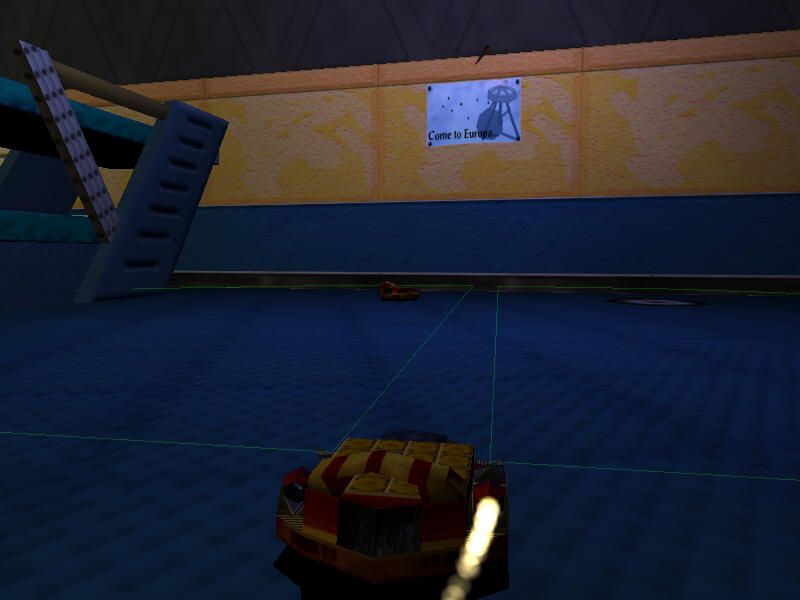
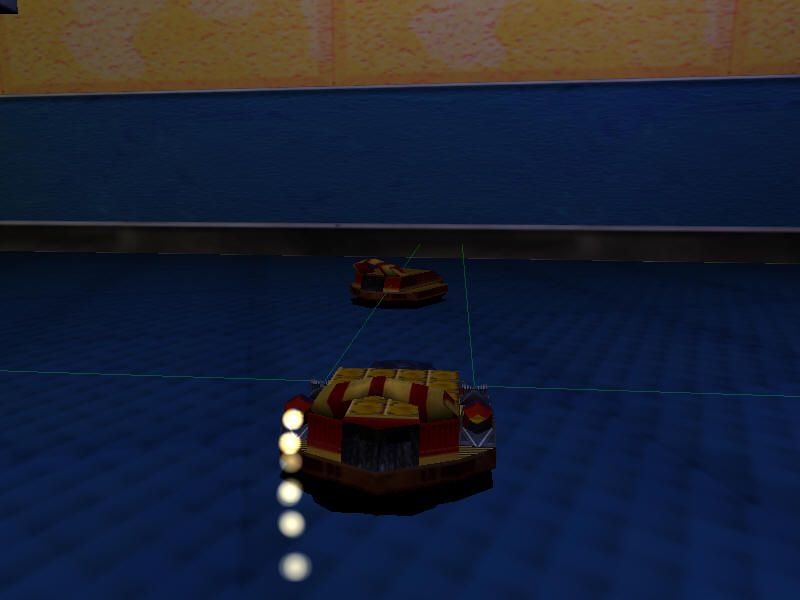
Visually, MindRover opts for functional clarity over flashy realism. The game world is rendered in straightforward 3D polygons, with each component—thrusters, sensors, wheels, and weapons—clearly distinguishable. This minimalist style ensures you can focus on the mechanics of your robot rather than getting lost in overly detailed textures.
The arenas, set against the ice-encrusted surface of Europa, feature clean lines and subtle color palettes. Tracks and battlefields are designed to highlight environmental hazards or tactical chokepoints rather than dazzle with visual effects. Glowing sensors and jet trails offer just enough feedback to gauge your machine’s performance at a glance.
Despite its age, the interface remains remarkably accessible. Menus for selecting parts, configuring wiring, and reviewing logs are logically laid out, with icons that are instantly recognizable even on smaller screens. Real-time overlays show sensor ranges and trajectory paths, making debugging a smooth process.
While you won’t find photorealistic graphics or cinematic cutscenes here, the visual design supports the game’s educational and strategic goals. Every pixel serves a purpose, helping you understand how your robot is constructed and how it interacts with its surroundings.
Story
MindRover’s narrative serves primarily as a backdrop for its engineering challenges. Set on Europa, one of Jupiter’s enigmatic moons, humanity has established a research station focused on harnessing ice-mining machines. Researchers quickly discovered these machines were adaptable enough for competitive robotics, giving birth to the MindRover program.
The lore unfolds through brief mission briefings and environmental details. You learn about the harsh conditions on Europa, where sub-zero temperatures and shifting ice crusts demand resilient designs. Mentions of resource shortages and rival research teams add a subtle sense of urgency to each task.
Though there’s no sprawling storyline or character-driven plot, the context is enough to keep you invested. Each victory in a race or combat simulation feels like contributing to the station’s evolving strategy. Winning tournaments means unlocking new parts and technologies, weaving game progression into the narrative fabric.
For players craving deeper immersion, the community has crafted custom scenarios that expand on the base story—everything from clandestine sabotage missions to high-stakes rescue operations. These fan-made campaigns demonstrate how compelling the Europa setting can be when enriched by creative storytelling.
Overall Experience
MindRover: The Europa Project strikes a rare balance between education and entertainment. Its open-ended robot construction and wiring system encourage players to approach problems analytically. Success isn’t handed to you; it’s earned through trial, error, and ingenious solutions.
The game’s pacing can feel slow at times, especially during debugging sessions when you’re tweaking wiring connections and test-driving prototypes. However, this deliberate pace is integral to the experience—each minor adjustment can lead to a dramatic shift in performance. Perseverance is rewarded with moments of genuine “eureka” triumph.
Community support remains strong decades after release. Dozens of user-made parts, scenarios, and tutorials are available online, extending the game’s lifespan and providing fresh challenges. Multiplayer tournaments bring an additional layer of excitement, as no two robots ever function identically.
Ultimately, MindRover: The Europa Project is a unique title that thrives on creativity and critical thinking. For players interested in robotics, programming, or strategic puzzle-solving, it offers an engaging journey on the icy frontier of Jupiter’s moon. While it may not appeal to those seeking fast-paced action or dramatic storytelling, its thoughtful design and educational value make it a standout classic worth exploring.


Reviews
There are no reviews yet.