 Retro Replay Retro Replay gaming reviews, news, emulation, geek stuff and more!


Retro Replay Review
Gameplay
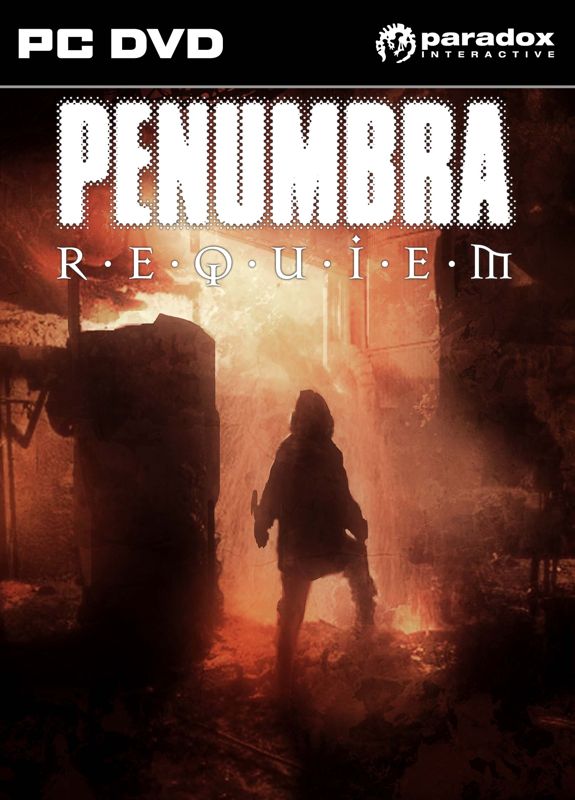
Penumbra: Requiem shifts the focus entirely onto puzzle-solving, stripping away the combat and enemy encounters that defined its predecessors. Instead of fighting for survival against mutated horrors, players explore nine distinct areas—each revisited from earlier chapters—connected by enigmatic portals. The objective is simple yet compelling: solve a series of physics-based challenges in order to power each portal and progress to the next environment.
(HEY YOU!! We hope you enjoy! We try not to run ads. So basically, this is a very expensive hobby running this site. Please consider joining us for updates, forums, and more. Network w/ us to make some cash or friends while retro gaming, and you can win some free retro games for posting. Okay, carry on 👍)
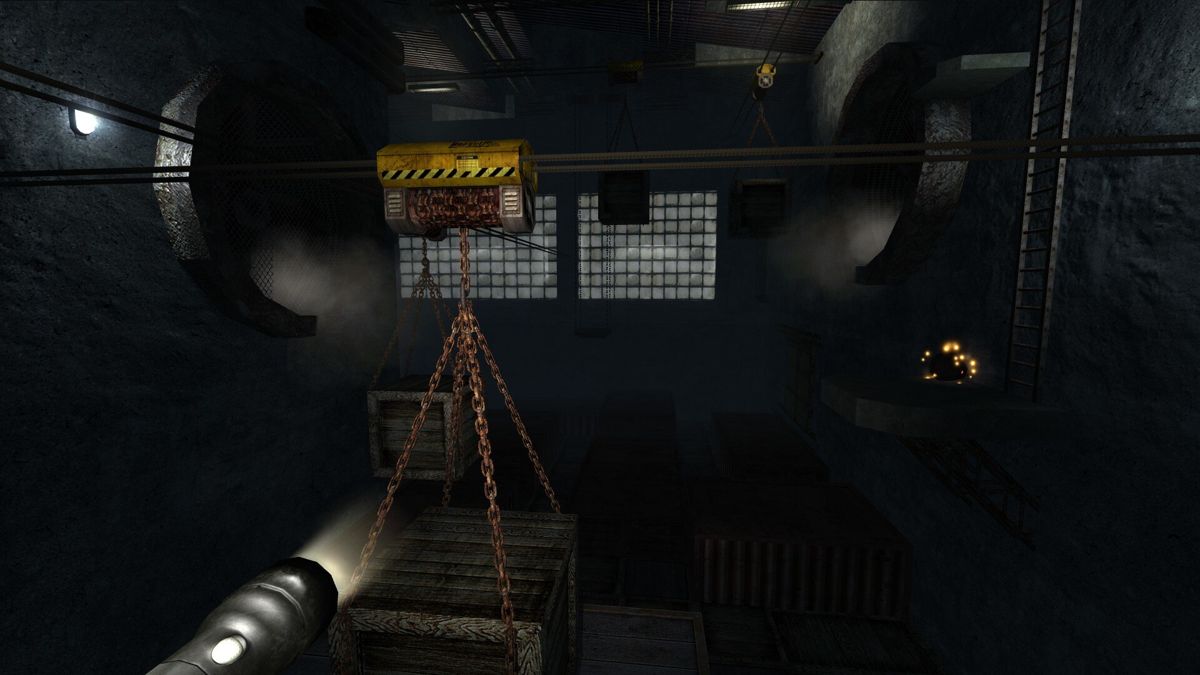
The puzzles themselves feel like ingenious extensions of the physics engine introduced in Penumbra: Black Plague. Players will manipulate objects, rig makeshift machinery, and leverage environmental elements—like crates, levers, and wiring—to trigger switches or build scaffolding. Because there are no threats to worry about, the gameplay allows for unhurried experimentation: you can haul heavy objects around or tinker with mechanisms as long as you like, without fear of sudden attacks.
Another welcome change is the unlimited battery for your flashlight. Darkness remains a critical element for atmosphere, but frustration over dwindling light resources is eliminated. This ensures that immersion stays intact, focusing your attention squarely on environmental exploration and puzzle discovery. Even though the structure of the expansion is non-linear—portals can be accessed in varying orders—the challenges steadily increase in complexity, offering a satisfying mental workout for seasoned players.
Graphics
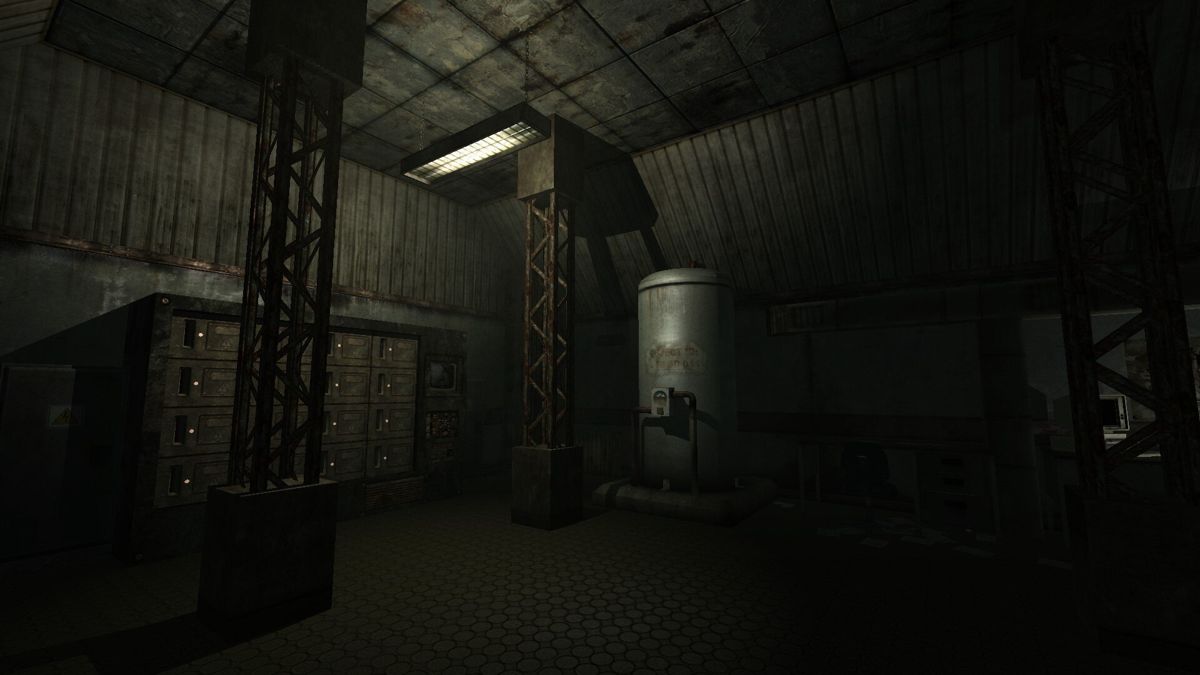
Requiem runs on the same HPL engine that powered Black Plague, and it makes excellent use of its capabilities. Lighting plays a starring role: flickering shadows dance across walls, and pools of darkness invite cautious investigation. Since combat is absent, the visuals lean more heavily into mood and texture, emphasizing the eerie beauty of abandoned mining shafts, decrepit laboratories, and surreal landscapes.
While the expansion does reuse many assets from previous games, the slight variations in detail and color grading give each portal world its own identity. One chamber might feel sterile and clinical, lit by harsh fluorescent lamps, while another descends into damp, moss-covered ruins. These subtle differences not only aid navigation but also keep the visual experience fresh across the nine locations.
The frame rate remains stable on modest systems, and loading times are brief between portal transitions. Although Requiem doesn’t push the hardware with high-polygon models or cutting-edge shaders, its restrained aesthetic perfectly suits the series’ claustrophobic, gothic horror origins. Fans of atmospheric design will find the graphical presentation more than adequate for building tension without reliance on jump scares.
Story
Unlike a traditional chapter with a full narrative arc, Requiem serves as an epilogue, tying up loose ends rather than introducing new plot twists. Philip’s fate—left dangling at the end of Black Plague—is progressively revealed through narrated diary entries and audio logs scattered throughout each portal realm. These recordings add emotional weight to each solved puzzle, making every discovery feel meaningful.
The nine hidden artifacts act as keys to an expanded ending. Collecting them all unlocks additional diary excerpts that delve deeper into the mysterious force controlling the Archaic facility’s experiments. While some players may find the fragmented storytelling less cohesive than a linear plot, the piecemeal revelations reward exploration and thoroughness, encouraging multiple playthroughs for 100% completion.
Requiem’s narrative style is deliberately minimalist, relying on ambiance and implication rather than cutscenes or voiced dialogue. This approach may not satisfy those craving overt story beats, but it honors the series’ commitment to subtle, atmospheric horror. The ending, once all the artifacts are gathered, provides enough closure to feel conclusive without spelling out every detail.
Overall Experience
As a final installment, Penumbra: Requiem delivers a compact but fulfilling capstone to the trilogy. It won’t appeal to action-oriented players looking for combat or chase sequences, but for fans of methodical puzzle design and atmospheric exploration, it offers a rewarding coda. The ten-to-fifteen-hour runtime feels just right—long enough to stretch the engine’s legs, yet concise enough to avoid filler content.
The expansion excels at leveraging familiar environments in inventive ways, turning each portal world into a unique brain-teaser. The absence of enemies allows for a contemplative pace, and the unlimited flashlight battery removes one common frustration without undermining the sense of isolation. In effect, Requiem transforms the Penumbra experience into a pure puzzle-adventure hybrid.
Ultimately, Requiem succeeds in its goal of bringing Philip’s journey to a satisfying close. Though the story is told in fragments, the cumulative impact of the diaries and artifacts yields a hauntingly memorable ending. If you’ve already braved Black Plague and yearn for one final challenge in its dark, claustrophobic universe, Penumbra: Requiem is a must-play epilogue that cements the trilogy’s legacy.



Reviews
There are no reviews yet.