 Retro Replay Retro Replay gaming reviews, news, emulation, geek stuff and more!



Retro Replay Review
Gameplay
Septerra Core offers a classic turn-based combat system with a unique twist on action timing. Each character’s action bar is divided into three segments, allowing players to choose between fast, weaker attacks or slower, more powerful strikes. This design forces tactical decisions in real time, as you must stop the bar at the right moment to execute your commands. The familiar JRPG-inspired mechanics feel approachable, yet the timing element adds a layer of engagement that keeps battles from growing stale.
(HEY YOU!! We hope you enjoy! We try not to run ads. So basically, this is a very expensive hobby running this site. Please consider joining us for updates, forums, and more. Network w/ us to make some cash or friends while retro gaming, and you can win some free retro games for posting. Okay, carry on 👍)
Character progression is rewarding without being overly complex. As the party advances through the layered worlds, they unlock new spells and abilities tied to key story events. Magic can be combined across two or three characters to forge entirely new effects, encouraging experimentation with different party lineups. Since you can freely swap active combatants from a larger roster, there’s a genuine sense of discovery in assembling a balanced team perfect for your playstyle.
Exploration in Septerra Core is split between on-foot segments and airship travel, creating a natural pacing curve. Initially, you navigate towns, dungeons, and overworld routes by foot, savoring the detail of each layer’s distinct setting. Once the ship is obtained, fast travel to any of the seven worlds transforms the experience, opening up optional side areas and revisits to earlier locations. This progression feels rewarding, as the game world gradually unfolds at your own pace.
The difficulty curve is well-balanced for both newcomers and genre veterans. Early encounters emphasize strategy and timing, while mid-to-late game battles challenge players to optimize magic combos and party composition. Although random encounters are limited to visible enemies in hostile zones, boss fights provide memorable peaks of intensity. Overall, the gameplay loop of exploration, combat, and character growth remains consistently engaging throughout the adventure.
Graphics
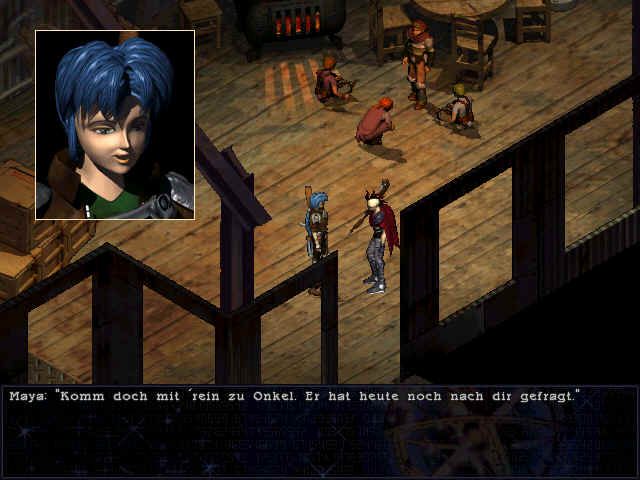
Despite its Western development roots, Septerra Core’s visual style channels the charm of Japanese anime-inspired RPGs. Character portraits and in-battle sprites showcase crisp outlines and vibrant color palettes, lending personality to each hero and villain. The attention to detail in individual costumes and spell animations gives the cast a memorable visual identity that complements the narrative-driven focus of the game.
The seven distinct layers of Septerra are each rendered with a unique aesthetic flair. From the post-apocalyptic wastelands inhabited by Maya to the semi-medieval enclaves of the mid-layers, every continent feels visually differentiated. Futuristic architectural elements in the upper layers contrast starkly with the junk-strewn landscapes below, creating a consistent sense of vertical progression as you ascend the world’s layers in pursuit of the legendary Gift.
Environmental backdrops in towns and dungeons are richly textured for a late ’90s title, with hand-painted scenery that still holds up for retro RPG fans. Lighting effects during boss battles and spellcasting sequences add a cinematic touch that enhances dramatic moments. While the resolution and animation frames may feel dated compared to modern standards, the overall art direction remains a high point, delivering nostalgia-laden visuals that immerse players in Septerra’s layered world.
Menus and interface elements are intuitively laid out, featuring clear icons and readable text. The world map screen, activated upon acquiring the ship, offers a functional yet stylized representation of the planet’s concentric continents. Whether you’re navigating combat menus or charting your next destination, the visual clarity ensures a smooth experience without overwhelming newcomers to the genre.
Story
At its core, Septerra Core weaves a character-driven narrative set in a planet divided by seven spinning layers. Legends speak of the Creator and a hidden Gift at the Core—a mythical artifact said to bestow unimaginable power. The ruling Chosen inhabit the uppermost layers, siphoning vast energy reserves and discarding toxic “waste” to the lower realms, where scavengers like Maya eke out a living.
When Maya stumbles upon the Chosen’s machinations, the story shifts into high gear. She and a diverse party of allies embark on a quest to unravel the true history of Septerra and prevent the misuse of the Gift. Along the way, the game explores themes of social inequality, environmental neglect, and the nature of power, all while maintaining a personal focus on each companion’s backstory and motivations.
The linear progression across the seven worlds allows for tight pacing and steadily escalating stakes. Early chapters introduce the setting and core cast, while later episodes unveil hidden agendas, betrayals, and emotional confrontations. Dialogue is well-written, blending lighthearted banter with weightier plot revelations, and character interactions often provide memorable moments that linger long after the credits roll.
Despite following a more traditional JRPG storyline, Septerra Core balances predictability with unexpected twists. The revelation of the planet’s origins and the true purpose of the Creator’s Gift offers satisfying closure. For players invested in the unfolding drama, the narrative delivers both heroic spectacle and intimate character growth, making the journey through Septerra’s layers a compelling ride from start to finish.
Overall Experience
Septerra Core: Legacy of the Creator stands as a shining example of a Western-developed game that captures the spirit of Japanese-style role-playing. Its blend of engaging combat, layered exploration, and anime-inspired visuals creates a cohesive package that appeals to both nostalgia seekers and newcomers. The game’s moderate length—typically 25–30 hours—ensures a focused narrative without overstaying its welcome.
While some mechanics may feel dated by modern standards, the core gameplay loop remains enjoyable thanks to thoughtful pacing and varied world design. The layered world concept serves as both a thematic metaphor and a practical foundation for diverse environments, ensuring that each new region feels fresh and distinct. Fans of story-driven RPGs will appreciate the character depth and narrative payoff, while strategy-minded players can revel in the timing-based combat and magic combinations.
Technical performance on contemporary systems can require a bit of tweaking, but retro enthusiasts will find the effort worthwhile. Enhanced resolution patches and fan-made quality-of-life mods help streamline the experience, though purists may prefer the original presentation. Regardless, Septerra Core’s enduring appeal lies in its rich storytelling and approachable mechanics.
In sum, Septerra Core delivers a memorable journey through a uniquely layered world, combining solid gameplay with a captivating story and distinctive visuals. Whether you’re drawn to classic JRPG mechanics or an intriguing sci-fantasy setting, this title remains a recommended adventure for anyone seeking an immersive, character-driven role-playing experience.


Reviews
There are no reviews yet.