 Retro Replay Retro Replay gaming reviews, news, emulation, geek stuff and more!
Retro Replay Review
Gameplay
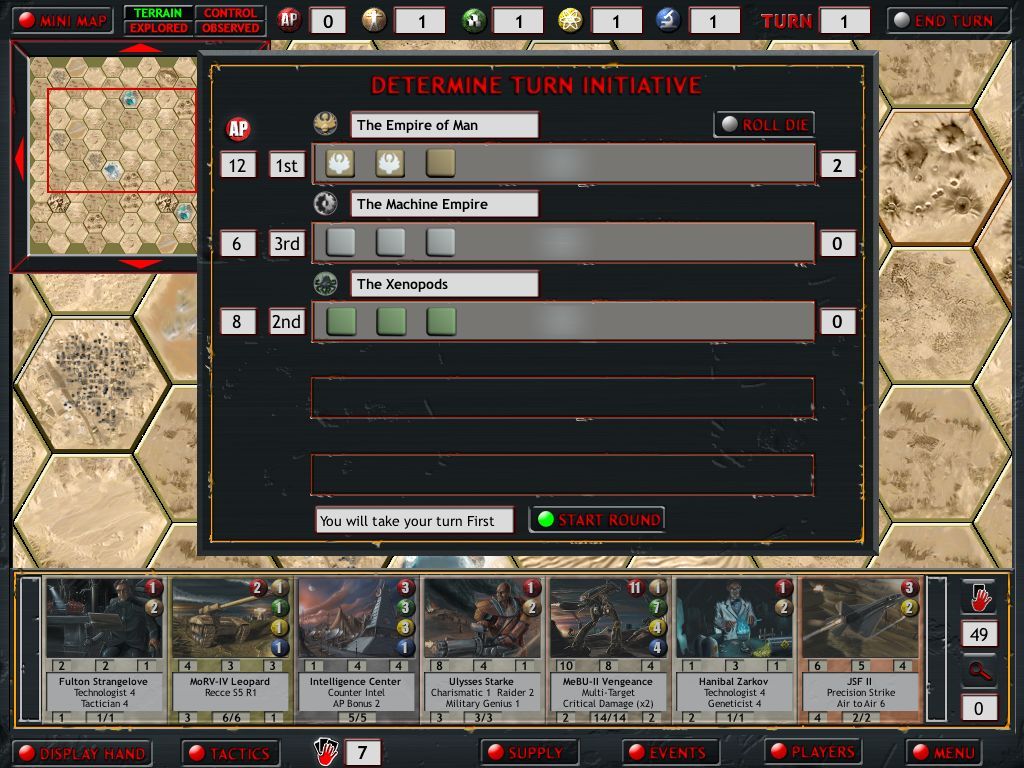
Armageddon Empires delivers a deep, turn-based strategy experience that blends card-driven mechanics with a hexagonal tactical map. Each player assembles a unique deck of cards representing units, heroes, facilities, and special actions. Because cards are unlocked through gameplay rather than paid expansions, the deck-building process feels both rewarding and accessible—there’s no pressure to spend extra money to remain competitive. As you deploy cards onto the hex grid, you’ll quickly discover the importance of positioning: terrain, line of sight, and adjacency can turn a simple infantry skirmish into a desperate struggle for survival.
(HEY YOU!! We hope you enjoy! We try not to run ads. So basically, this is a very expensive hobby running this site. Please consider joining us for updates, forums, and more. Network w/ us to make some cash or friends while retro gaming, and you can win some free retro games for posting. Okay, carry on 👍)
The four factions—surviving humans, mutated humans, the Machine Empire, and Xenopods—offer distinct playstyles that keep each match feeling fresh. Human armies emphasize combined arms and defensive fortifications, while mutated humans rely on bio-organic surprises and guerrilla tactics. The Machine Empire unleashes cold efficiency with mechanized legions, and the Xenopods overwhelm with alien swarms and bizarre abilities. Learning the strengths and weaknesses of each faction becomes a rewarding puzzle: every card you draft or earn has a story behind it, and mastering synergies is the key to victory.
Combat in Armageddon Empires is resolved through an innovative card-selection system. When opposing units occupy the same hex, you click on individual combat cards to trigger special abilities, attack modifiers, or defensive maneuvers. This interactive resolution is more engaging than simple dice rolls or static animations—it forces you to think on your feet and adapt as the tide of battle shifts. The result is a game that rewards tactical foresight without bogging down in overly complex rules, striking a satisfying balance for both newcomers to strategy gaming and veterans seeking serious depth.
Beyond the core skirmish mode, the game includes a variety of scenarios and randomized maps that extend its replayability. The AI opponents can be reasonably challenging, especially on higher difficulty settings where they exploit your strategic missteps without mercy. Multiplayer via hotseat or online play adds another layer of excitement, turning every session into an unpredictable test of nerves and deck-building prowess. Ultimately, the blend of card mechanics and map-based tactics makes Armageddon Empires an engrossing title for anyone who craves long-term strategic challenges.
Graphics
Armageddon Empires doesn’t chase flashy visuals; instead, it opts for a functional, minimalist art style that emphasizes clarity over spectacle. The hex grid is clean and easy to read, with each tile’s terrain type clearly communicated through simple textures and icons. Units are represented by distinct tokens and portraits rather than detailed 3D models, which keeps the focus squarely on strategic planning. While some players may find the lack of elaborate animations or particle effects underwhelming, this stripped-down approach ensures that the zoomed-out strategic view remains uncluttered and user-friendly.
The card art is where the game’s aesthetics truly shine. Each faction’s cards feature evocative illustrations—gritty human survivors hunkered behind scorched ruins, grotesque mutants oozing toxic sludge, sleek robotic drones glinting in ruined cities, and horrifying alien creatures bursting from the ground. These visuals not only enhance immersion but also help you quickly identify key cards mid-battle. It’s clear that the developers prioritized evocative flavor over budget-busting graphics, and the result is a consistent, cohesive look that reinforces the game’s post-apocalyptic theme.
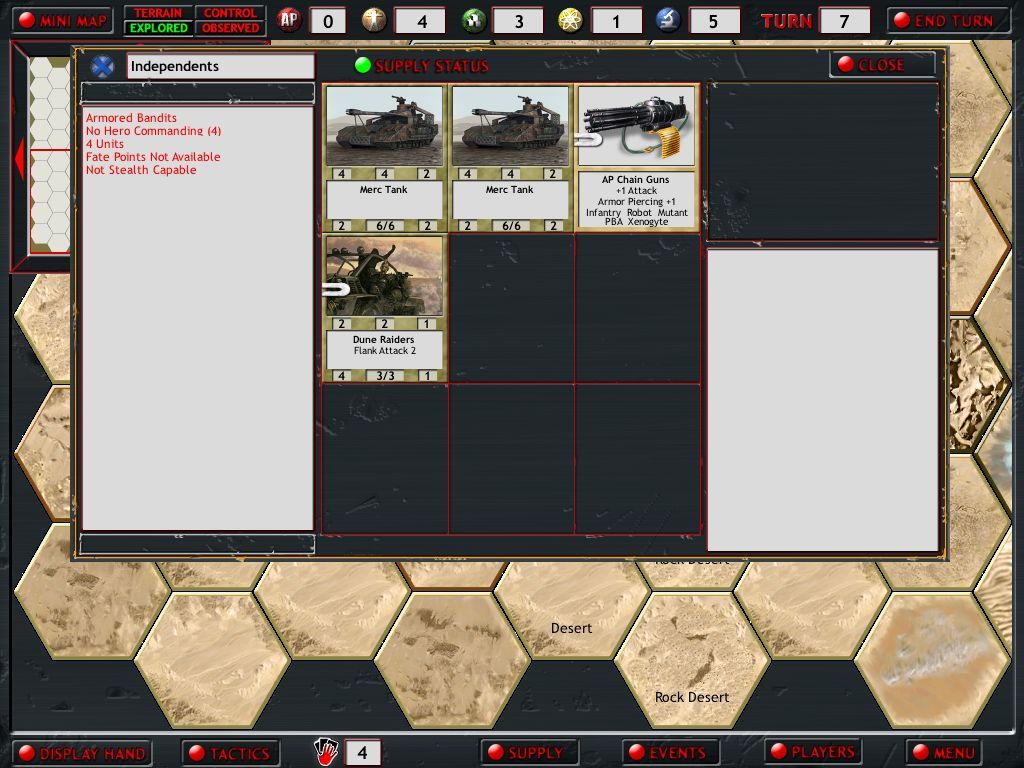
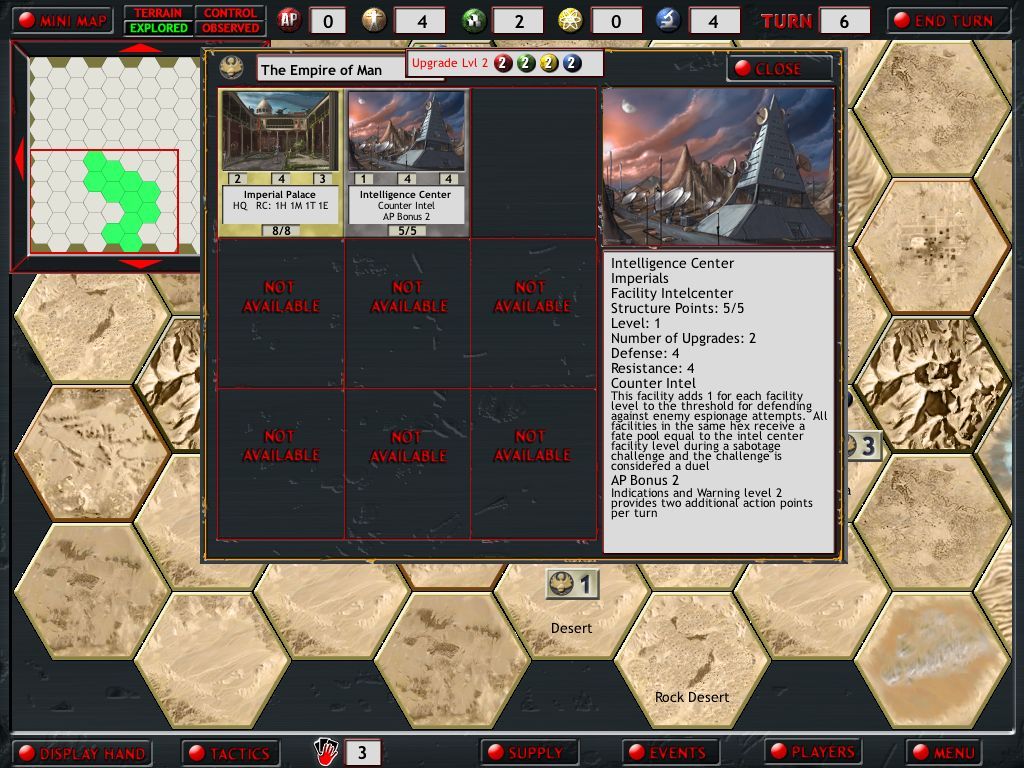
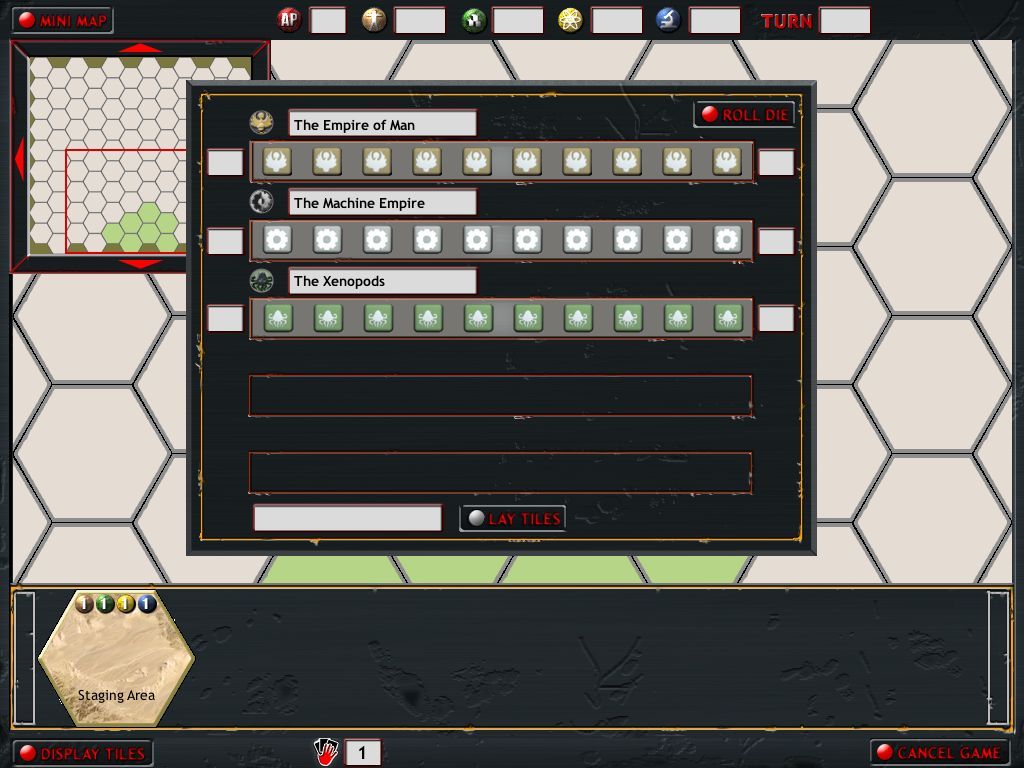
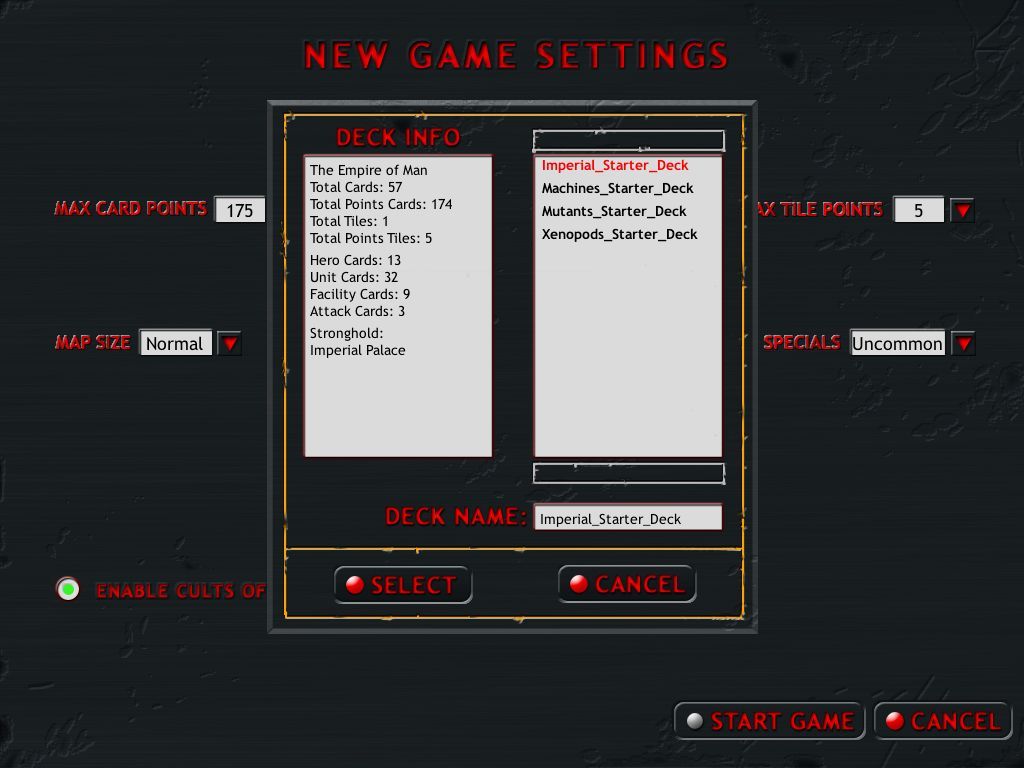
Menus and interfaces borrow heavily from classic PC strategy titles, with drop-down lists for decks, equipment, and unit stats. The UI can feel dated to players accustomed to modern, streamlined designs, and occasionally you’ll find yourself hunting for the right button. However, once you learn the layout—especially the keyboard shortcuts for ending turns, shuffling cards, and toggling overlays—the interface becomes a powerful tool rather than an obstacle. If you value substance over style, you’ll appreciate how the game’s visual design stays out of your way, letting you focus on strategic decisions.
Performance-wise, Armageddon Empires runs smoothly on modest hardware. Its low system requirements mean that even older PCs can handle lengthy campaigns without slowdown. This accessibility is a boon for strategy enthusiasts who haven’t upgraded to the latest rigs. While the graphics may not rival contemporary triple-A titles, the game’s consistent art direction and responsive performance make it a reliable and enduring presence on any gamer’s library.
Story
Armageddon Empires crafts its narrative through flavor text, card descriptions, and environmental cues rather than through a linear campaign or cinematic cutscenes. The backdrop is grim: after two decades of alien-driven nuclear devastation, humanity clings to survival in isolated enclaves. Three centuries later, four factions vie for control of the irradiated wasteland once known as Earth. The minimalist storytelling approach leaves gaps for players to fill with their own imagination, creating a personal connection to each victory and defeat.
The card-by-card lore is surprisingly rich. You’ll encounter hero units like hardened scavengers and mutated warlords, each accompanied by snippets of backstory that weave together a broader tapestry of conflict and desperation. Facilities—whether human bunkers, alien hives, or mechanized workshops—come with lore blurbs that hint at lost technologies and the horrors that unfolded when extraterrestrials first descended. This scattered storytelling rewards those who take the time to read every description, turning deck-building into a journey of discovery as much as a strategic exercise.
While there’s no overarching cinematics-driven plot, the emergent storylines that arise from your matches can feel equally compelling. You might remember “The Siege of New New York” when your mutated human swarm routs a Machine Empire garrison, or recall the desperate last stand of a human hero against a Xenopod horde. These spontaneous narratives, born from your tactical successes and failures, lend Armageddon Empires a unique charm. The story isn’t spoon-fed—instead, it blooms organically through gameplay, inviting you to become an author of your own post-apocalyptic saga.
For players seeking a tightly scripted single-player campaign, the lack of a cinematic narrative might feel like a drawback. However, if you appreciate world-building through mechanics and exploration, you’ll find plenty to love. The story threads interwoven in card text, map design, and faction abilities create a compelling sense of place and stakes, making every battlefield feel like a chapter in humanity’s struggle for survival.
Overall Experience
Armageddon Empires stands out as a niche gem for fans of turn-based strategy and card games. Its blend of deck-building and hex-based tactics creates a unique hybrid that rewards careful planning and adaptability. Though the initial learning curve can be steep—juggling card synergies, map control, and timing special abilities takes practice—the payoff is immense. Each victory feels hard-earned, and the variety of factions ensures that you’ll never tire of experimenting with new strategies.
One of the game’s greatest strengths is its open-endedness. With all cards available through play rather than purchase, you’re encouraged to try every faction and deck archetype. The randomized maps and AI opponents keep each skirmish unpredictable, while multiplayer matches can spark fierce rivalries and memorable come-from-behind wins. Whether you’re conquering a ruined city as the Machine Empire or unleashing bio-horrors as mutated humans, Armageddon Empires consistently delivers tense, strategic encounters.
The game’s presentation may feel modest by modern standards, but its focused design and robust performance make up for any visual shortcomings. You won’t be dazzled by flashy effects, but you’ll appreciate the clarity and responsiveness that let you concentrate on long-term strategy. The lore-rich card text and emergent narratives born from each battle give the game a depth that invites repeated playthroughs.
In an era dominated by microtransactions and live-service models, Armageddon Empires is a refreshing throwback: a complete, self-contained strategy title with no hidden fees, no pay-to-win decks, and endless replay value. For players who crave serious, contemplative warfare on a ruined Earth, this game offers an engrossing, challenging, and ultimately rewarding experience. Pack your cards, survey the wasteland, and prepare for a war unlike any you’ve seen before.



Reviews
There are no reviews yet.