 Retro Replay Retro Replay gaming reviews, news, emulation, geek stuff and more!
Retro Replay Review
Gameplay
Commander: Europe at War delivers a classic turn-based strategy experience set against the sprawling backdrop of World War II. Players choose to command either the Allied or Axis forces and manage entire theaters of war, from the initial invasion of Poland through the climactic battles in Western Europe. The inclusion of six distinct scenarios—ranging from Operation Barbarossa to D-Day and the comprehensive Grand Campaign—ensures that each playthrough offers fresh strategic challenges.
(HEY YOU!! We hope you enjoy! We try not to run ads. So basically, this is a very expensive hobby running this site. Please consider joining us for updates, forums, and more. Network w/ us to make some cash or friends while retro gaming, and you can win some free retro games for posting. Okay, carry on 👍)
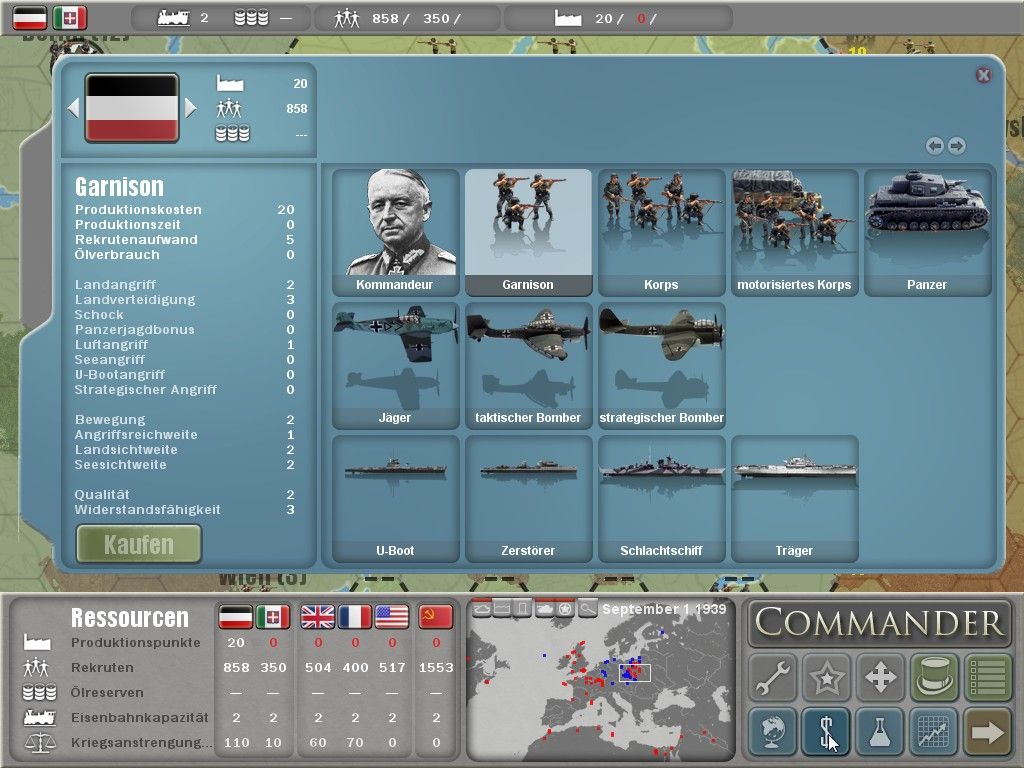
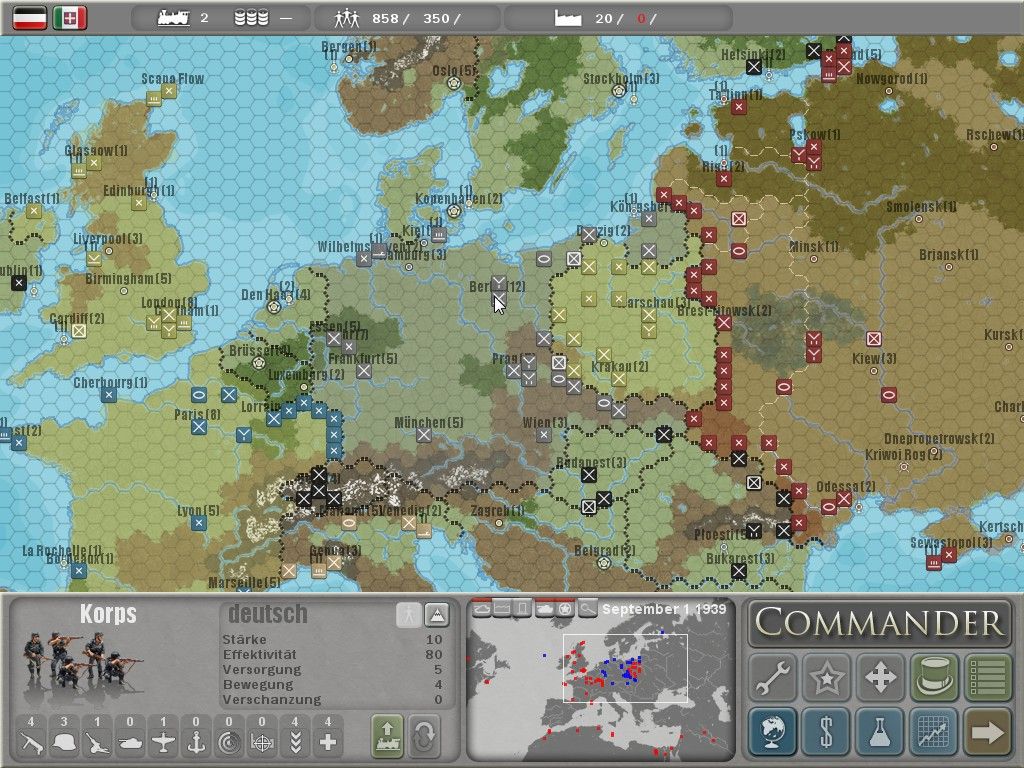
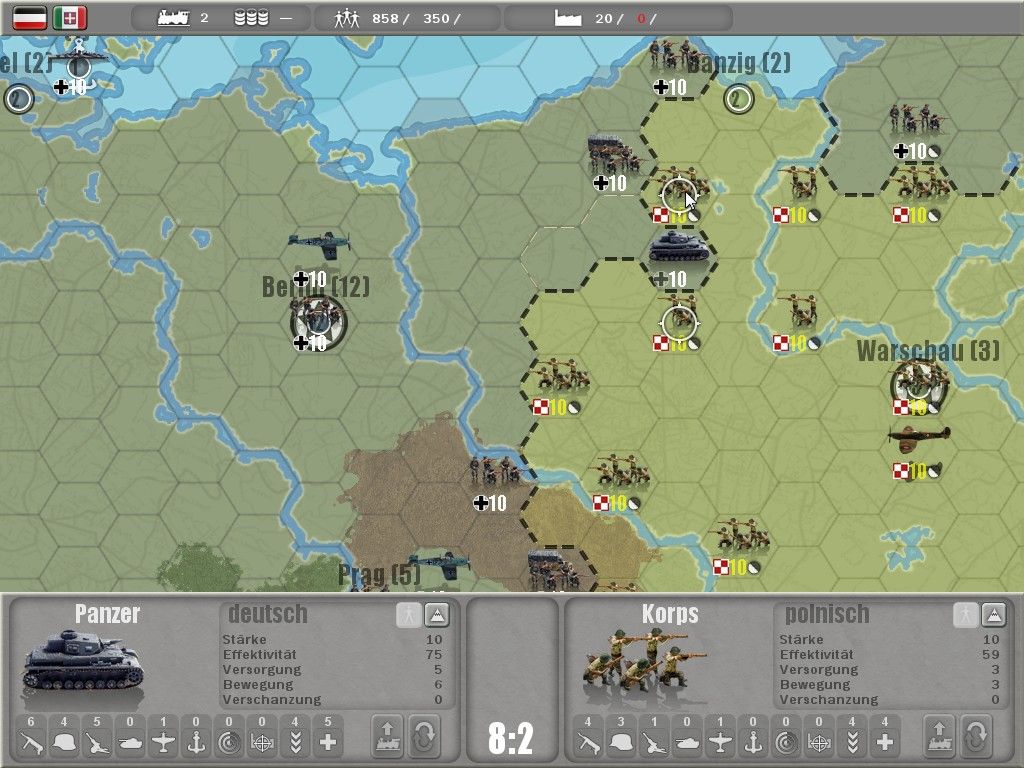
The heart of the gameplay lies in the hexagonal grid map covering Europe, parts of North Africa, and the eastern edge of the United States. This map is populated by twelve unit types, including infantry, armor, artillery, and air support, each with unique strengths and vulnerabilities. Historical commanders can be assigned to formations, providing powerful bonuses that can turn the tide of battle when used wisely.
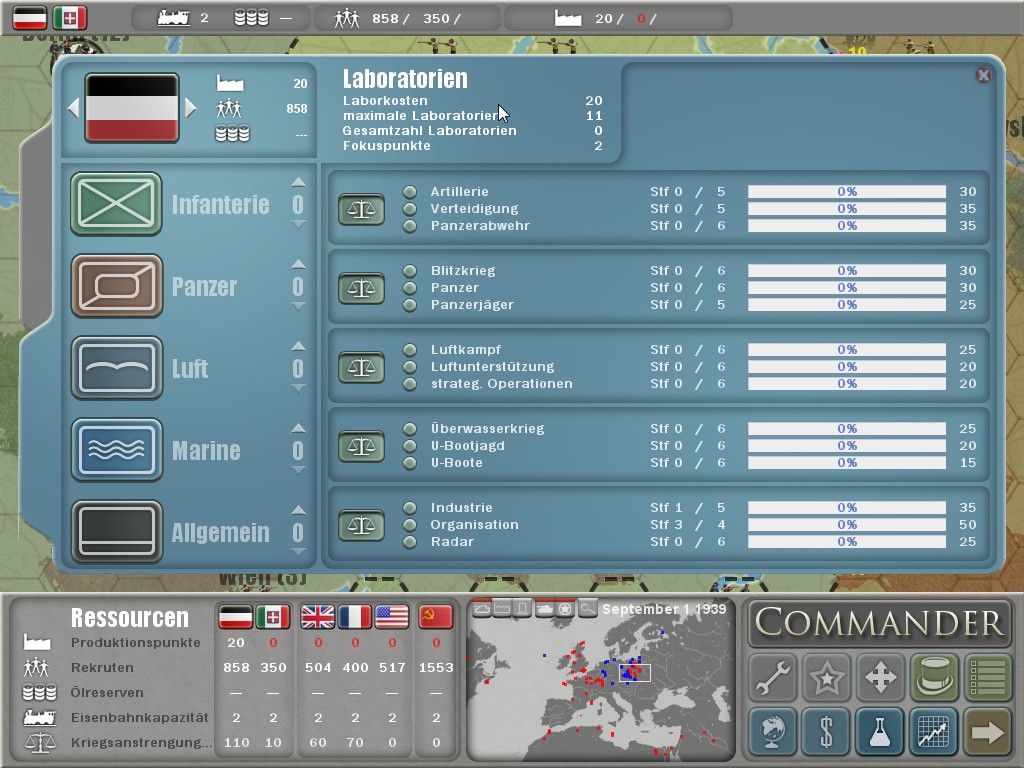
Research is another pillar of the overall strategy: you oversee dedicated scientists working on fifty technologies. From improved tanks and fighter aircraft to advanced supply logistics and radar systems, these inventions deepen the strategic layer and reward forward-thinking players. Balancing research investments against immediate battlefield needs creates a thoughtful ebb and flow that veterans of the genre will appreciate.
Multiplayer options further extend replayability. Local hotseat, online matchmaking, and play-by-email modes cater to different preferences, allowing friends or rivals to engage in protracted strategic duels. The game’s pacing and clear turn structure make it ideal for lengthy campaign sessions or shorter scenario matches, accommodating both marathon wargamers and those with tighter schedules.
Graphics
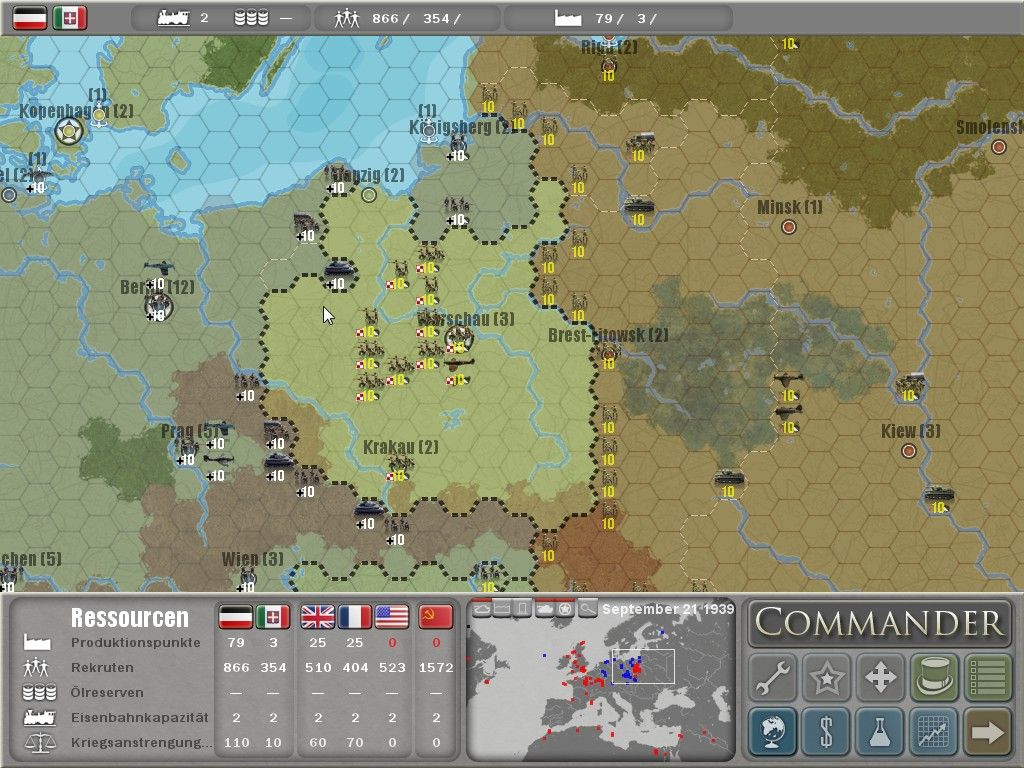
Visually, Commander: Europe at War opts for a functional, clean aesthetic rather than flashy 3D models. The hex-based map is rendered in muted, historically inspired colors that distinguish terrain types—plains, forests, mountains, and urban centers—at a glance. While not cutting-edge, the clarity of unit icons and map overlays ensures that critical information is always accessible.
Unit counters are crisp and informative, displaying strength values, movement allowances, and commander portraits in a straightforward layout. Animations for movement and combat are minimal but purposeful, preventing downtime between turns and maintaining a brisk strategic tempo. The result is a no-nonsense presentation that keeps the focus firmly on decision-making.
The user interface complements the visual design with its simplicity: tooltips provide quick access to statistics such as morale, supply levels, and terrain effects. Customizable views let players toggle overlays for research progress, supply lines, and victory point locations. Although some players may crave more cinematic flair, the interface succeeds in delivering a clean, unobstructed view of the strategic map.
Story
Commander: Europe at War does not follow a traditional narrative with cutscenes or character-driven storytelling. Instead, historical immersion emerges through scenario design and the unfolding strategic situation. Each campaign plays out like an alternate history novel, with every decision shaping the broader war effort in Europe.
Scenario introductions provide concise historical context, outlining objectives such as breaking through the Maginot Line or halting the Soviet advance. As you progress, dynamic events—such as unexpected reinforcements or shifting frontlines—give a sense of a living conflict. The presence of iconic commanders like Montgomery or Rommel adds personality to your divisions and highlights critical turning points in the campaign.
The game’s fidelity to historical detail shines through in equipment names, unit compositions, and period-appropriate technologies. This dedication to authenticity draws players into the grand strategic narrative, even in the absence of scripted dialogue or cinematic sequences. Every victory or defeat feels anchored in real wartime challenges, reinforcing the weight of each command decision.
For history enthusiasts, the sandbox-style storytelling offers endless “what-if” scenarios. Will you replicate the historical outcome, or will your strategic choices rewrite the course of the conflict? While the story may not be cinematic, the emergent narrative formed by your campaigns is often more compelling than a linear tale.
Overall Experience
Commander: Europe at War stands out as a deeply engaging wargame that embraces strategic depth over graphical spectacle. Its well-balanced scenarios, robust research system, and clear map overlays cater to both veteran strategists and newcomers looking for a comprehensive introduction to hex-based warfare. The learning curve is moderate, but the game’s thorough tutorials and tooltips help flatten it.
The AI offers a respectable challenge, adapting its tactics based on your strength distribution and terrain choices. Occasional quirks in supply pathfinding or reinforcement timing can occur, but these are generally outweighed by the satisfaction of outmaneuvering a competent opponent. Multiplayer matches, especially via play-by-email, feel particularly rewarding as you anticipate your rival’s next move.
Performance is steady even on modest hardware, thanks to its straightforward 2D presentation. Load times are minimal, and the hotseat mode excels in social settings, letting friends pass the controller around for an evening of strategic rivalry. Online play remains stable, though matchmaking can sometimes be slow if few players are active.
In summary, Commander: Europe at War is an excellent choice for strategy fans seeking a historically grounded, turn-based wargame. Its blend of scenario variety, unit customization, and research depth provides countless hours of cerebral warfare. If you relish the challenge of commanding vast armies and managing the logistical complexities of World War II, this title is well worth your investment.


Reviews
There are no reviews yet.