 Retro Replay Retro Replay gaming reviews, news, emulation, geek stuff and more!


Retro Replay Review
Gameplay
Commander: Napoleon at War places you at the helm of Europe’s most iconic military conflict, offering eight distinct campaigns that span the crucial years from 1805 to 1815. As either Napoleon’s Grande Armée or the Allied Coalition, you maneuver units across a richly detailed hexagonal grid map covering Europe, parts of Africa, and North America. Each campaign presents unique strategic challenges—from the dramatic charge at Austerlitz to the bitter cold of the Russian winter.
(HEY YOU!! We hope you enjoy! We try not to run ads. So basically, this is a very expensive hobby running this site. Please consider joining us for updates, forums, and more. Network w/ us to make some cash or friends while retro gaming, and you can win some free retro games for posting. Okay, carry on 👍)
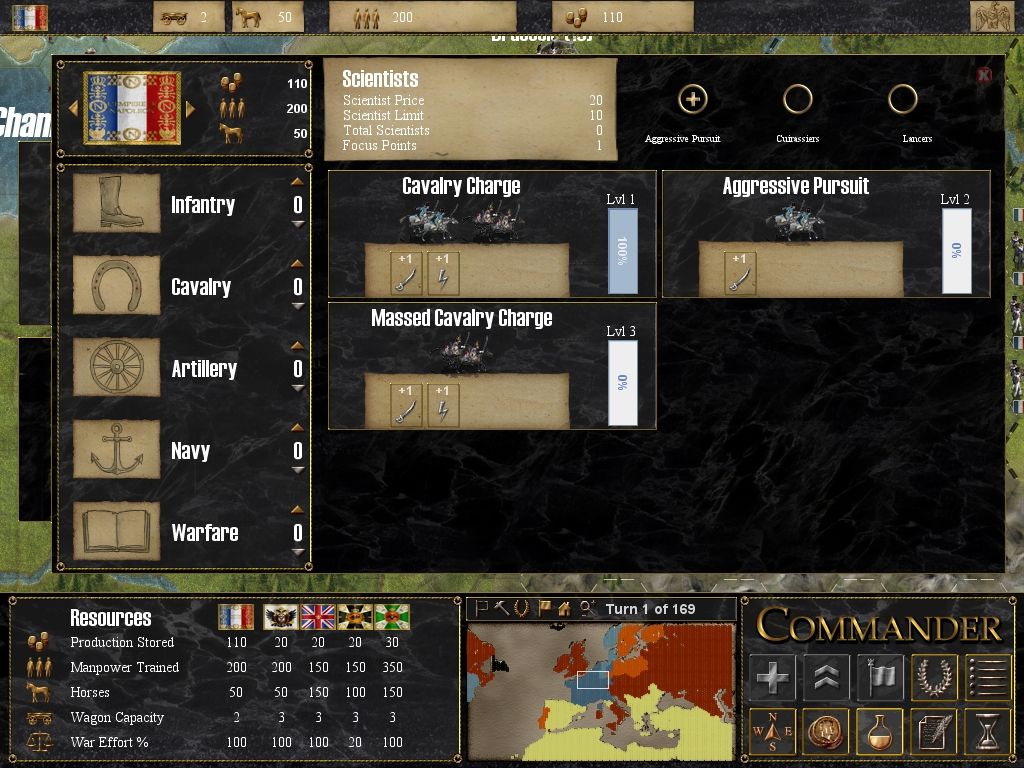
The game’s turn-based system is deep without being overwhelming. You manage twelve unit types, ranging from infantry and cavalry to artillery and engineers, each with its own strengths and vulnerabilities. Research plays a vital role: unlocking innovations in logistics, weaponry, and command boosts can tip the balance of power. Dynamic weather further spices up the tactical equation—rain can bog down cavalry, while snowfall can freeze supply lines, forcing you to rethink your advance or harass enemy columns.
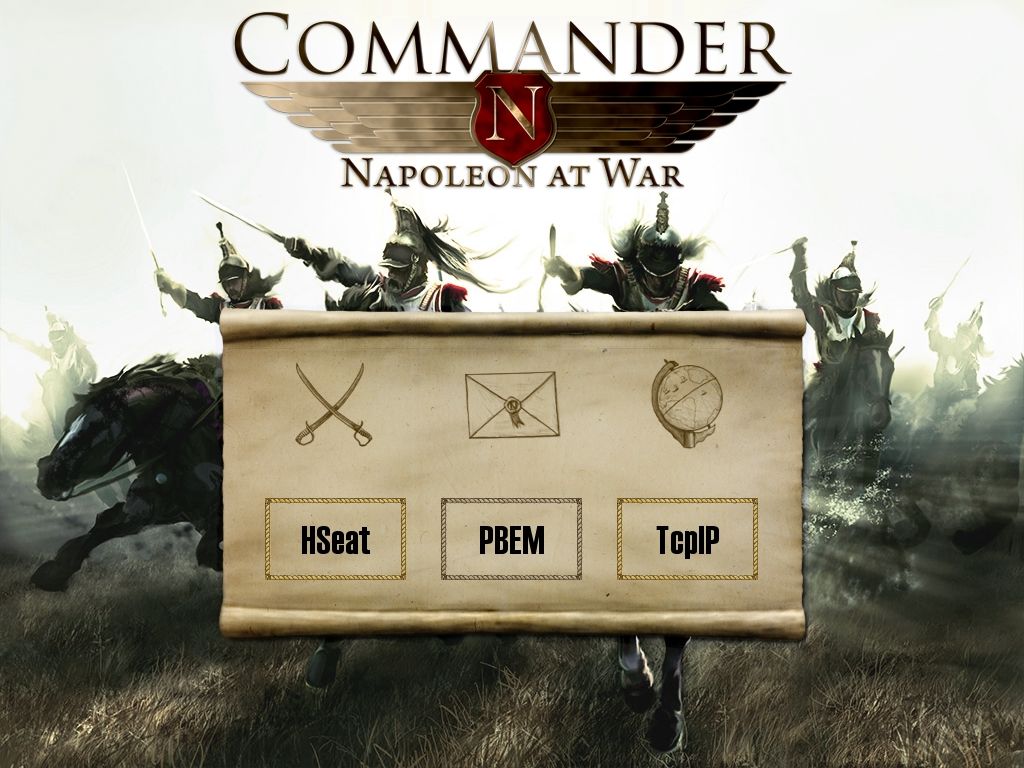
Adding another layer of authenticity, many units can be led by famous historical figures like Marshal Ney or Field Marshal Blücher. Their unique leadership traits—such as morale bonuses or improved movement rates—can be the deciding factor in a tight engagement. Multiplayer options are equally robust, allowing you to challenge friends via hotseat, play-by-email, LAN, or online matches. Whether you prefer a long-term asynchronous duel or a head-to-head LAN battle, the game accommodates your play style.
Graphics
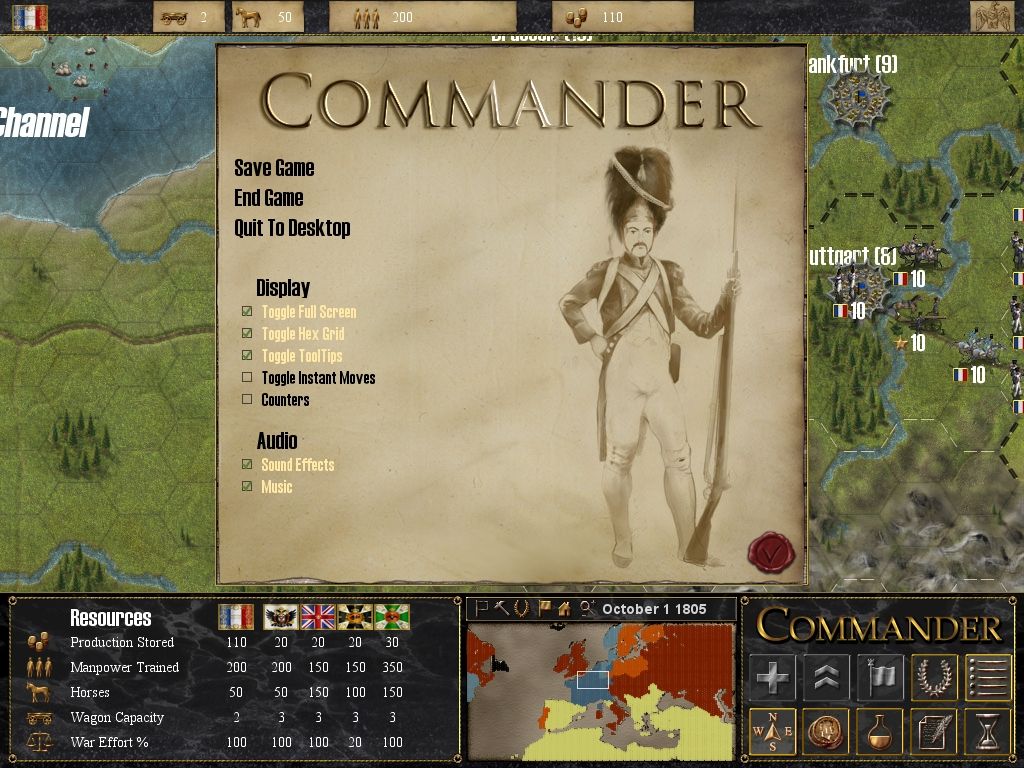
Graphically, Commander: Napoleon at War opts for functionality over flash. The art style leans toward clean, easily readable icons and terrain tiles. Hills, forests, rivers, and cities each have distinctive hex graphics, ensuring you can assess the battlefield at a glance. Unit counters display clear symbols and numbers for strength and movement, keeping your focus on strategy rather than deciphering tiny visuals.
While the engine may not win awards for cutting-edge effects, it excels in conveying information efficiently. The map’s color palette shifts subtly with seasons and weather changes, so you feel the chill of winter campaigns or the soggy ground of early spring. Zoom levels let you switch between a panoramic theater of war and a close-up view of individual battles, striking a balance between tactical detail and strategic oversight.
Animations are minimal but purposeful. Artillery volleys, cavalry charges, and infantry attacks each have quick, stylized sequences that underline the action without slowing down the pace. The user interface is intuitive, with tooltips and pop-up info panels explaining unit capabilities, technology trees, and weather effects. For a turn-based wargame, clarity and speed of decision-making matter most, and Napoleon at War delivers on both fronts.
Story
Though not a narrative-driven RPG, the game’s “story” emerges from the ebb and flow of historic campaigns. Each scenario follows a real military operation—such as the Ulm Campaign, the Peninsular War, or the decisive Battle of Waterloo—and gives you the freedom to rewrite history. Will you replicate Napoleon’s triumphs, or can you reverse his fortunes by deploying novel tactics and groundbreaking technologies?
Units are steeped in period flavor, complete with historical names and unit designations that ground you in the early 19th century. Briefings before each scenario provide context on political alliances, troop morale, and logistical constraints. You sense the weight of Napoleon’s ambition or the Allied Coalition’s determination as you read dispatches and adjust your strategy accordingly.
Victory conditions vary by campaign, keeping each playthrough fresh. Some missions demand the capture of key cities within a strict turn limit; others call for the annihilation of enemy forces or the protection of vital supply routes. The branching “what-if” scenarios—such as securing a timely reinforcement or avoiding a winter disaster—encourage replayability. Every decision has consequences, and the game’s historical underpinnings make your choices feel impactful.
Overall Experience
Commander: Napoleon at War offers a robust, historically rich wargaming experience that will appeal to both series veterans and newcomers seeking a strategic challenge. The blend of dynamic weather, technology research, and famous commanders creates a multifaceted battlefield where no two campaigns feel identical. Fans of deep, turn-based strategy will find countless hours of engagement in mastering the map and outwitting their opponents.
The learning curve is approachable thanks to clear UI design and thorough tooltips, but don’t be fooled—mastering Napoleon at War requires patience, forward planning, and an eye for tactical nuance. Multiplayer modes extend the lifespan enormously, allowing you to test your strategies against human adversaries who can exploit your weaknesses in ways the AI never will.
While the graphics may not dazzle with cinematic flair, they serve the core gameplay brilliantly, ensuring you stay focused on maneuvering your forces rather than navigating cluttered menus. If you’re passionate about Napoleonic warfare or simply enjoy a thoughtful, turn-based strategy title, Commander: Napoleon at War stands out as a solid choice. Its combination of historical authenticity, strategic depth, and varied scenarios makes it a compelling investment for any wargamer’s library.


Reviews
There are no reviews yet.