 Retro Replay Retro Replay gaming reviews, news, emulation, geek stuff and more!
Retro Replay Review
Gameplay
Congo: The Movie – Descent into Zinj follows a classic point-and-click adventure formula, centered on an inventory-based puzzle system that will feel familiar to fans of the genre. Players collect items, combine them in creative ways, and use them to overcome environmental obstacles. The pacing is deliberate, giving you time to examine every corner of your surroundings and experiment with your inventory in hopes of cracking the next puzzle.
(HEY YOU!! We hope you enjoy! We try not to run ads. So basically, this is a very expensive hobby running this site. Please consider joining us for updates, forums, and more. Network w/ us to make some cash or friends while retro gaming, and you can win some free retro games for posting. Okay, carry on 👍)
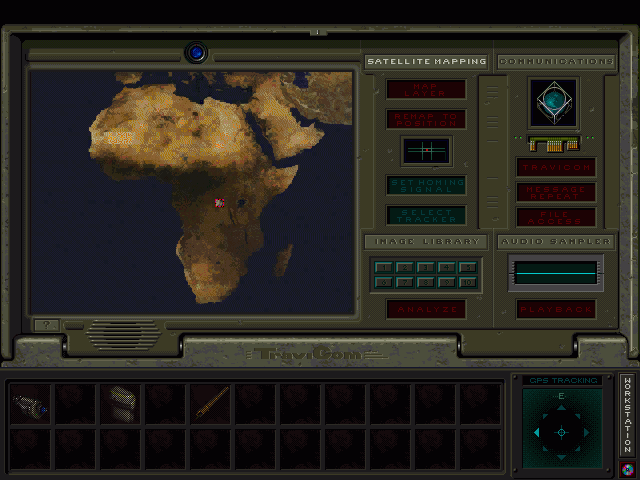
What sets Descent into Zinj apart from many contemporaries is the multi-functional TraviCom laptop device. This in-game tool allows you to analyze visual images for hidden clues, record environmental audio for later review, track homing signals on your map, and access files downloaded from the TraviCom network. These features blend seamlessly with the core inventory mechanics, providing variety and a sense of high-tech exploration.
The adventure also punctuates its puzzle-solving with more interactive sequences, such as navigating a river by boat or making your way through a dimly lit, maze-like ruin. These segments break up the static point-and-click flow with moments of tension and spatial reasoning. The river navigation teaches you to steer carefully around hazards, while the maze forces you to rely on previously collected clues to avoid dead ends.
Hardcore puzzle enthusiasts will appreciate the difficulty curve, which steadily ramps up as you gain more items and tools. Occasionally, a particular combination or clue can be frustratingly obscure, but the satisfaction of finally solving it fits the spirit of a true adventure title. A built-in hint system is minimal, encouraging attentive note-taking and keen observation for those determined to finish without outside help.
Graphics
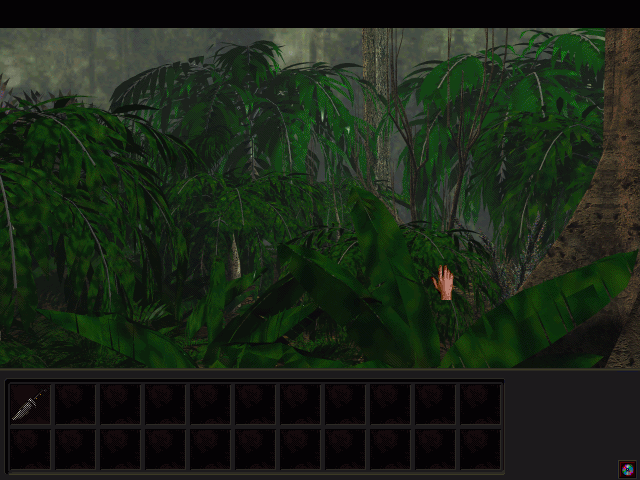
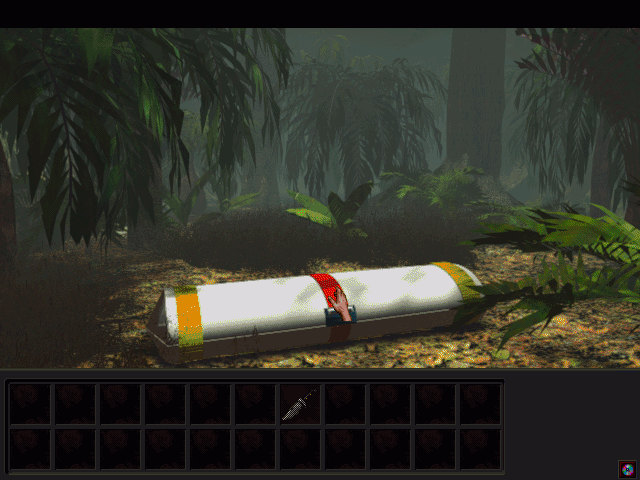
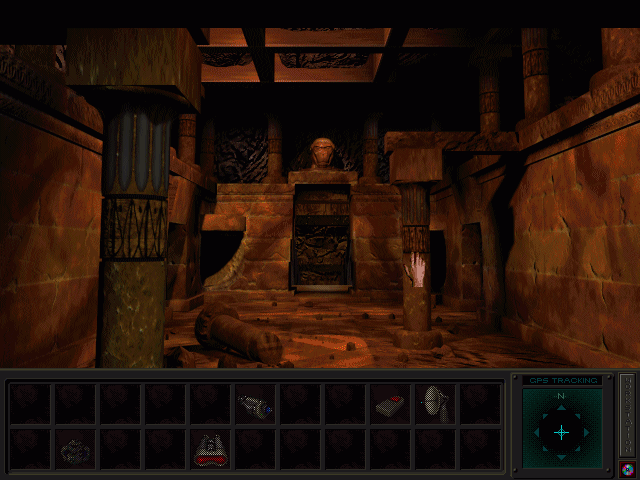
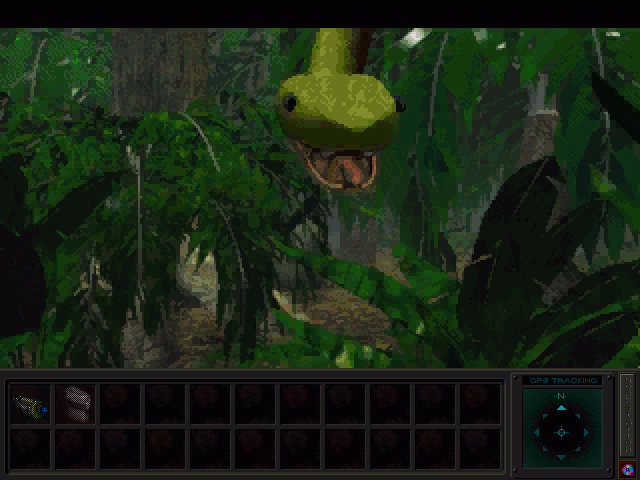
Visually, the game draws heavy inspiration from early first-person adventures like Myst, employing richly detailed pre-rendered 3D backgrounds. Each location—from the steamy jungle canopy to the ancient stone corridors—is lushly painted with atmospheric lighting and layered textures, inviting you to stop and inspect every pixel for clues.
Character interactions are delivered through live-action video sequences, which intermingle with the static environments to create a mixed-media presentation. These FMV segments feature convincing performances—especially by Amy, the talking gorilla—though some dialogue animations can feel slightly stilted against the pre-rendered backdrops.
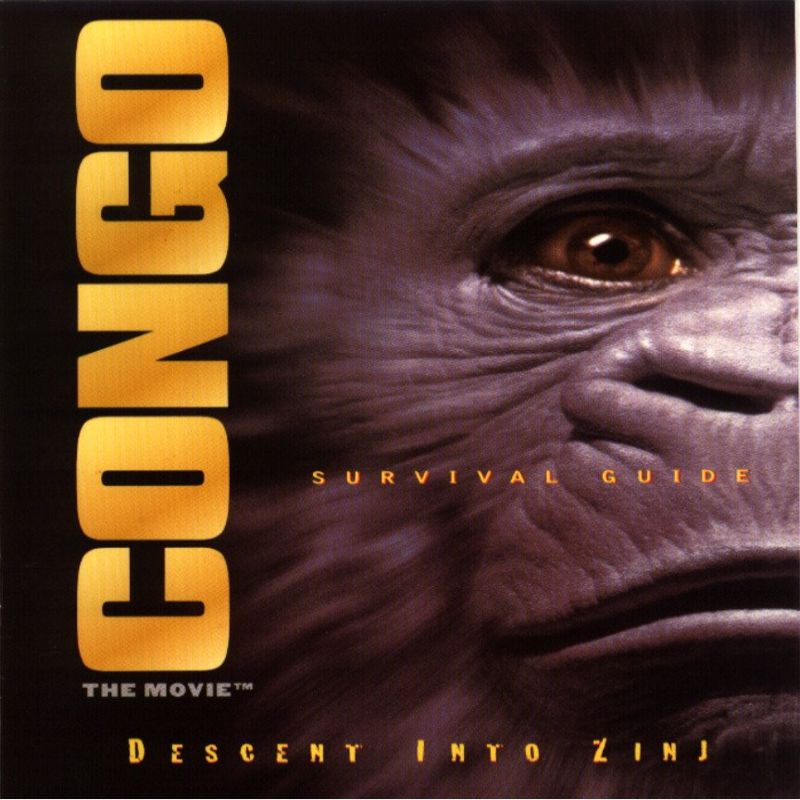
Amy herself is rendered in pre-calculated 3D, giving her movements a surprisingly natural flow compared to the more rigid live actors. Her design and animation strike a delicate balance between realism and subtle anthropomorphism, making her an engaging companion throughout the game.
The user interface is clean and functional, with the TraviCom laptop screen designed to look like a vintage portable PC. Menus and sub-screens load with brief transition animations that reinforce the sense of using real hardware. On modern displays, the original resolution can show its age, but the overall presentation remains charmingly retro.
Story
Adapted from the 1995 movie Congo, the game expands on the film’s premise by sending you deep into the heart of Zinj in search of a legendary diamond with world-changing powers. Under orders from Travis, head of TraviCom, you must also uncover the fate of Dr. Karen Ross’s ill-fated expedition, which vanished under mysterious circumstances.
As you push deeper into the jungle, more pieces of the puzzle emerge. Fragments of Egyptian carvings hint at an ancient civilization, while unsettling growls in the darkness raise questions about the monstrous gorillas roaming the area. The narrative weaves these threads into a cohesive exploration of greed, science, and the blurred line between humanity and the wild.
Amy, the sentient gorilla capable of speech, quickly becomes the emotional core of the story. Her knowledge of the ruins and her fierce loyalty add depth to both your relationship and the overarching plot. Scenes that explore her backstory and motivations elevate the game beyond a simple treasure hunt.
The storytelling is bolstered by in-game documents, voice recordings, and environmental clues that encourage you to piece together the fate of the previous team. The balance between scripted FMV sequences and optional lore-filling materials gives players freedom to engage with the narrative at their own pace.
Overall Experience
Congo: The Movie – Descent into Zinj delivers a memorable blend of classic adventure gameplay, high-quality production values, and an engaging narrative that expands on its cinematic source material. Its mix of inventory puzzles, TraviCom device interactions, and action-oriented sequences keeps the experience fresh over several hours of play.
While some puzzle solutions can feel obtuse without external guidance, the game’s immersive environments and compelling story make persevering worthwhile. Amy’s character, in particular, leaves a lasting impression, turning what could have been a straightforward jungle romp into a heartfelt exploration of communication and trust.
The graphics may show their age by modern standards, but the pre-rendered backdrops and FMV elements evoke a nostalgic charm that fans of ’90s adventures will appreciate. Technical limitations do little to detract from the overall atmosphere, which remains tense, mysterious, and richly textured.
Ultimately, Descent into Zinj is an excellent pick for players seeking a story-driven adventure with a touch of retro flair. Whether you’re here for the puzzles, the lore, or the unique companionship of a talking gorilla, this game offers a satisfying expedition into the unknown.


Reviews
There are no reviews yet.