 Retro Replay Retro Replay gaming reviews, news, emulation, geek stuff and more!
Retro Replay Review
Gameplay
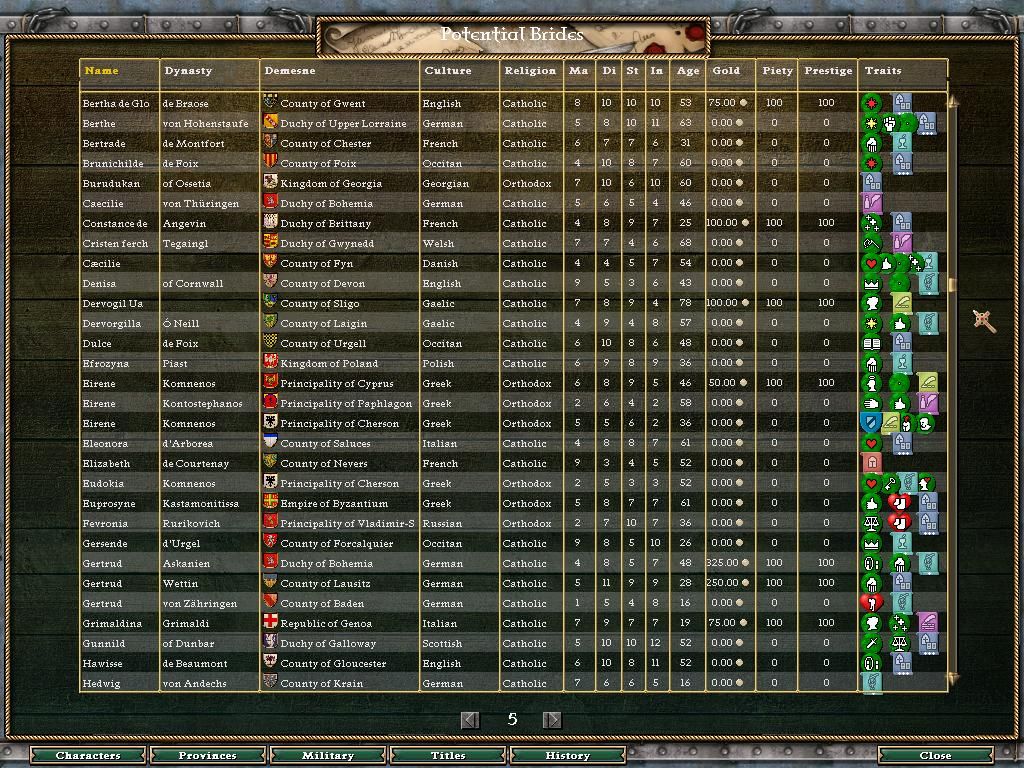
Crusader Kings: Deus Vult builds upon the core mechanics of the original Crusader Kings, introducing a host of refinements that streamline and deepen the grand strategy experience. One of the most notable additions is the comprehensive ledger system, which allows players to track everything from diplomatic marriages to potential brides for their ruler. This feature not only brings Crusader Kings in line with its Europa Universalis siblings but also provides crucial insight into succession planning and alliance-building.
(HEY YOU!! We hope you enjoy! We try not to run ads. So basically, this is a very expensive hobby running this site. Please consider joining us for updates, forums, and more. Network w/ us to make some cash or friends while retro gaming, and you can win some free retro games for posting. Okay, carry on 👍)
The expansion enriches character interactions by introducing friends and rivals. These new relationship dynamics add a layer of personal intrigue to every court. Friends may come to your aid in times of need, while rivals can foment rebellion or challenge your claims with reduced Prestige costs. This personal drama transforms diplomatic negotiations into a tense juggling act of favors, schemes, and power plays.
Fostering your heirs in foreign courts is another strategic option now available in Deus Vult. By sending your sons and daughters away, you strengthen ties with potential allies at the expense of direct control over their education. Coupled with the removal of inherited stats—children now start at zero in all attributes—this system forces you to carefully consider cultural upbringing and the long-term benefits of powerful connections versus immediate parental influence.
Graphics
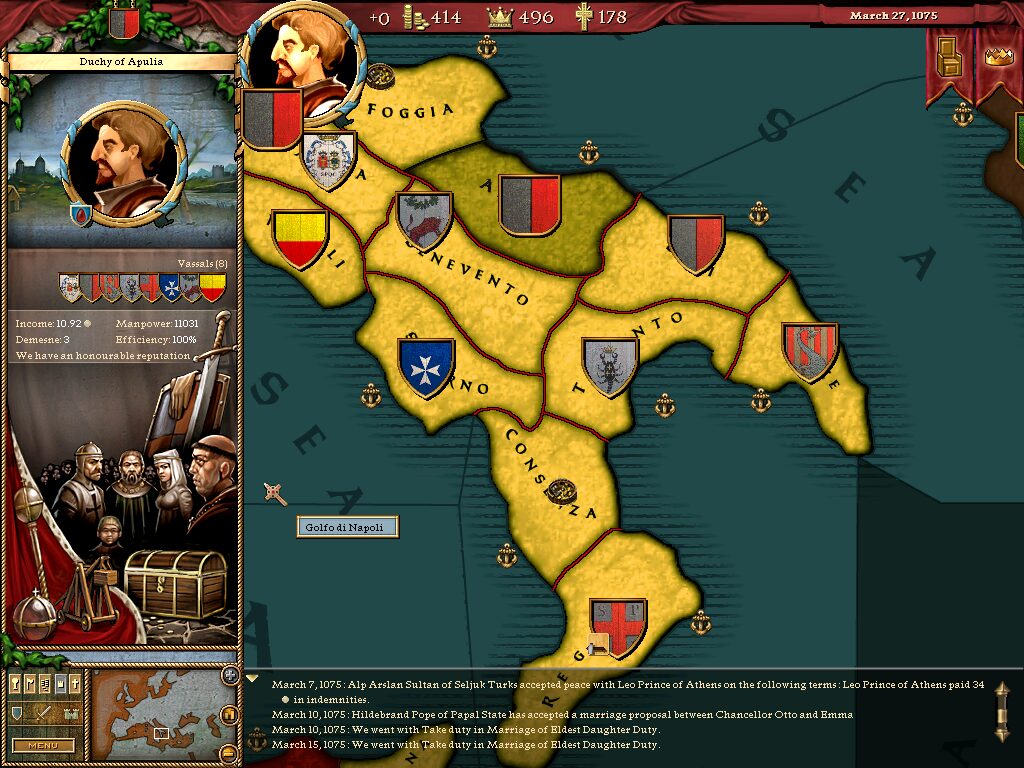
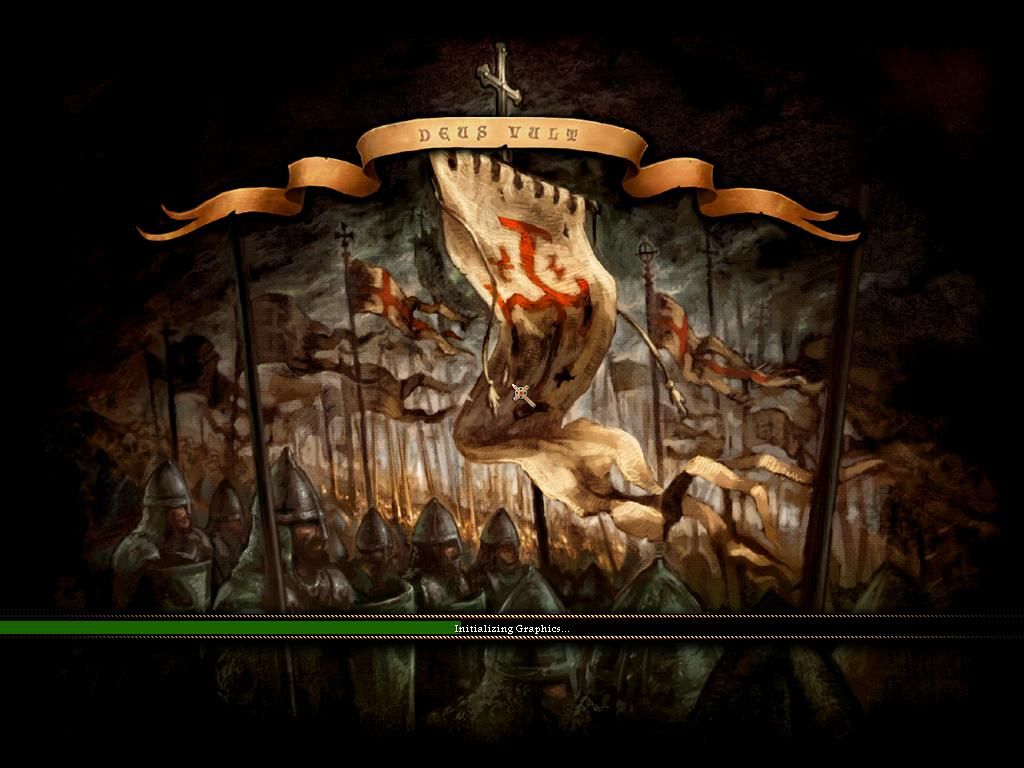
Visually, Deus Vult makes a marked improvement over the base game. The medieval map is richer in detail, with more distinct province coloring and subtly animated heraldry that brings the tapestry of Europe to life. Backdrops for event windows and character portraits have been polished, giving each screen a grander, more immersive feel without sacrificing performance.
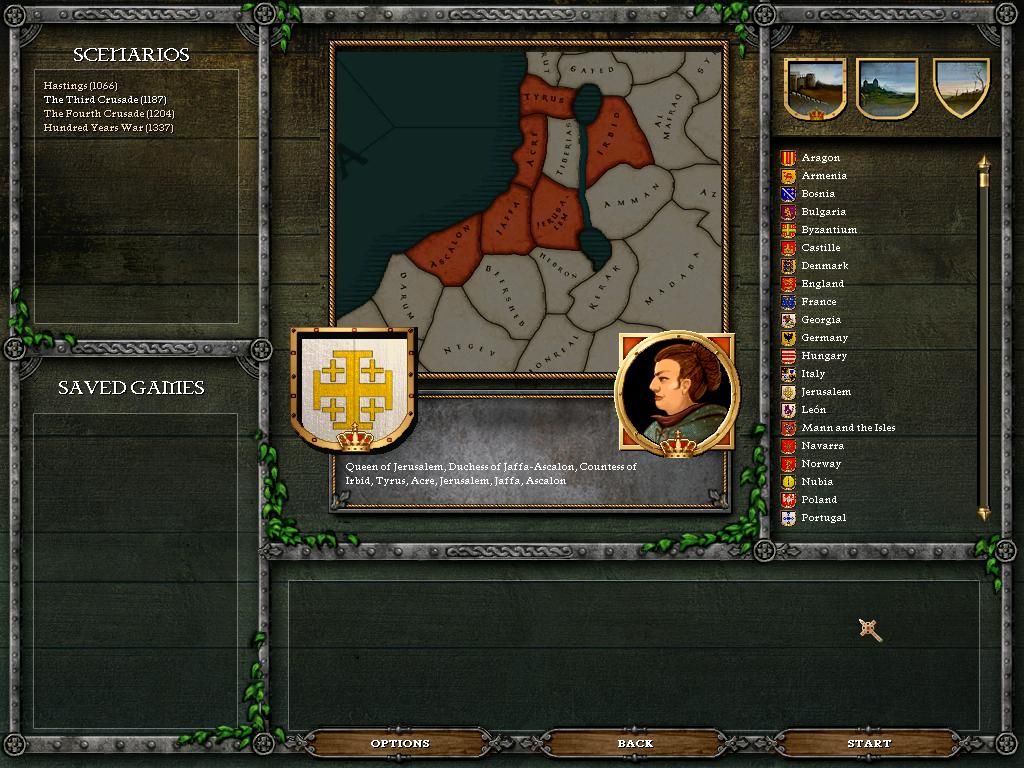
The interface has seen minor but meaningful overhauls. The addition of “back” buttons in key windows streamlines navigation, letting you move between duchies, kingdoms, and family trees without the incessant need to reopen menus. These quality-of-life tweaks might seem small, but in a game of this scale, they save countless clicks and keep you focused on strategic decisions rather than wrestling with cumbersome UI.
Portrait artwork for courtiers has also been touched up, with more distinct facial features, diverse clothing styles, and period-appropriate jewelry. These aesthetic enhancements make every character you encounter more memorable and help you forge stronger personal attachments to your dynasty’s saga.
Story
Unlike narrative-driven games, Crusader Kings: Deus Vult thrives on emergent storytelling. Your family’s rise and fall becomes the epic tale, shaped by diplomacy, intrigue, and warfare. The expanded event scripting engine now allows multi-stage storylines, and you can even designate characters for future events, ensuring that personal sagas—such as a vanquished rival or a heroic ally—carry through your playthrough in unforgettable ways.
Historical flavor events and flags haven’t made a return from EU2, but the existing event pool has significantly more variety. From plague outbreaks to knightly orders seeking patronage, each incident feels more dynamic and relevant to your realm’s stability. The new stability mechanic further ties story events to in-game consequences: a string of positive outcomes can bolster your realm’s cohesion, while a cascade of disasters may spark revolts or noble conspiracies.
The introduction of courtier loyalty extends the narrative tension beyond vassalage. Now even your chamberlain or chancellor can grow discontent and scheme for your downfall. These story-driven betrayals and alliances reinforce the sense that every noble you appoint is an unpredictable character in the grand drama of medieval politics.
Overall Experience
Deus Vult is more than just an expansion; it’s a refinement that elevates Crusader Kings to its full potential. The addition of the ledger and improved UI address long-standing usability concerns, while the friends-and-rivals system and loyalty mechanics enrich the personal drama at the heart of the game. Each decision carries additional weight, whether you’re forging a marriage alliance, plotting against a rival, or managing the education of your heirs.
Strategic depth and replayability have never been stronger. From diplomatically vassalizing neighbors to navigating increased attrition in neutral provinces, the new military and peace treaty options force players to rethink their approach to warfare. The emergent storytelling, underpinned by the expanded event engine, ensures that no two campaigns feel the same, and the long-term ramifications of your actions can echo across generations.
For fans of grand strategy hungry for a richer medieval sandbox, Crusader Kings: Deus Vult delivers in every department. It strikes a balance between accessibility and complexity, making the tangled web of dynastic politics both approachable for newcomers and endlessly captivating for veterans seeking fresh challenges. Whether you aspire to become Holy Roman Emperor or carve out a Norman kingdom in Sicily, this expansion provides the tools—and the intrigue—to craft your own legendary saga.



Reviews
There are no reviews yet.