 Retro Replay Retro Replay gaming reviews, news, emulation, geek stuff and more!
Retro Replay Review
Gameplay
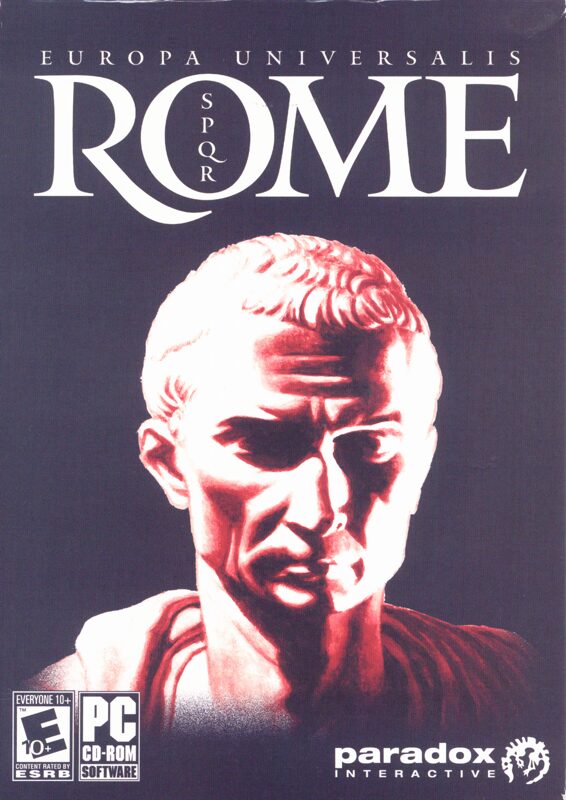
Europa Universalis: Rome picks up the mantle of grand strategy and takes you back to the ancient era, letting you take control from 280 B.C. to the dawn of Christ. Unlike fast-paced real-time titles, EU: Rome uses Paradox’s signature continuous time system, giving you direct control over the flow of days, months, and years by pausing, slowing, or speeding up the clock. This system lets you fine-tune your decisions, from executing rapid diplomatic maneuvers to meticulously planning a military campaign across multiple provinces.
(HEY YOU!! We hope you enjoy! We try not to run ads. So basically, this is a very expensive hobby running this site. Please consider joining us for updates, forums, and more. Network w/ us to make some cash or friends while retro gaming, and you can win some free retro games for posting. Okay, carry on 👍)
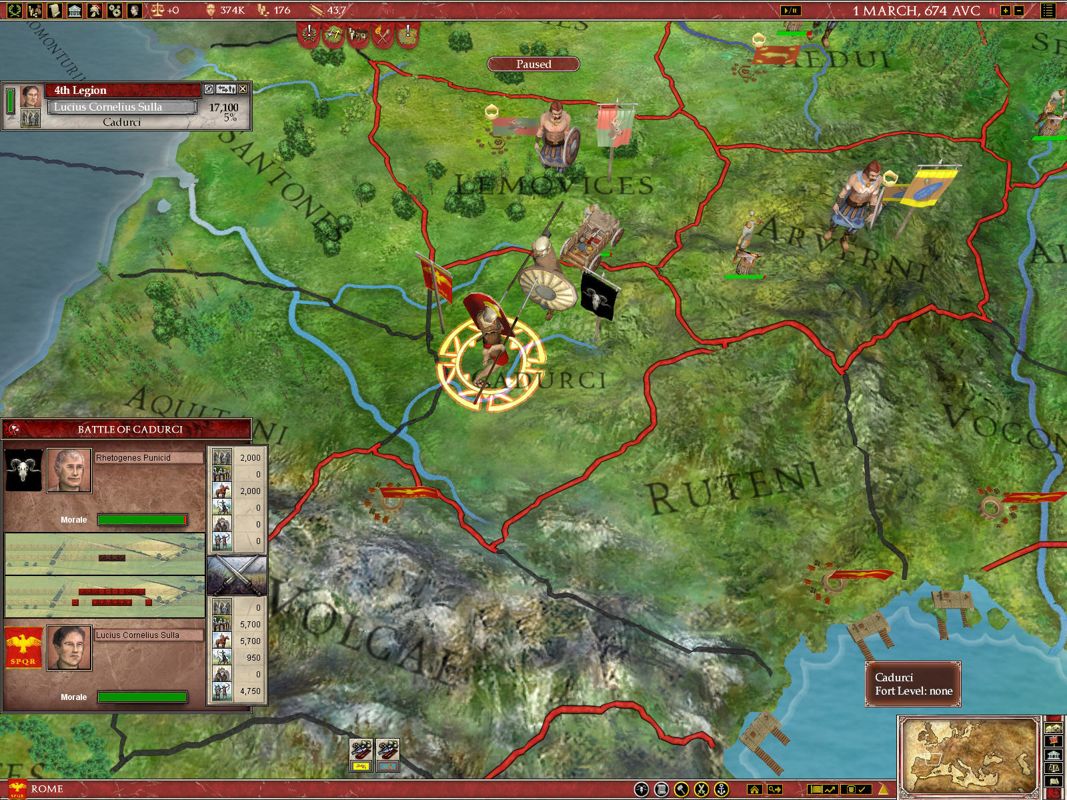
The core loop revolves around guiding a faction’s economy, military, infrastructure, and technology. Whether you choose to embody Rome itself or carve out a niche as one of the smaller tribes, the depth of management is staggering. Build roads and ports to improve trade, invest in technological advancements, and expand your cities. In wartime, your involvement is more strategic than tactical—you direct troop movements, appoint generals, and adjust supplies, while the engine resolves the battles themselves.
Diplomacy, espionage, and war can all lead you to victory. Crafting alliances or fostering rebellions in enemy territories can be as potent as a legion’s march. The dynamic balancing act between warfare, negotiation, and subterfuge keeps every campaign fresh. Success demands you adapt to unpredictable events: barbarian incursions, internal dissent, or shifting loyalties among your councilors can drastically alter your strategy.
Graphics
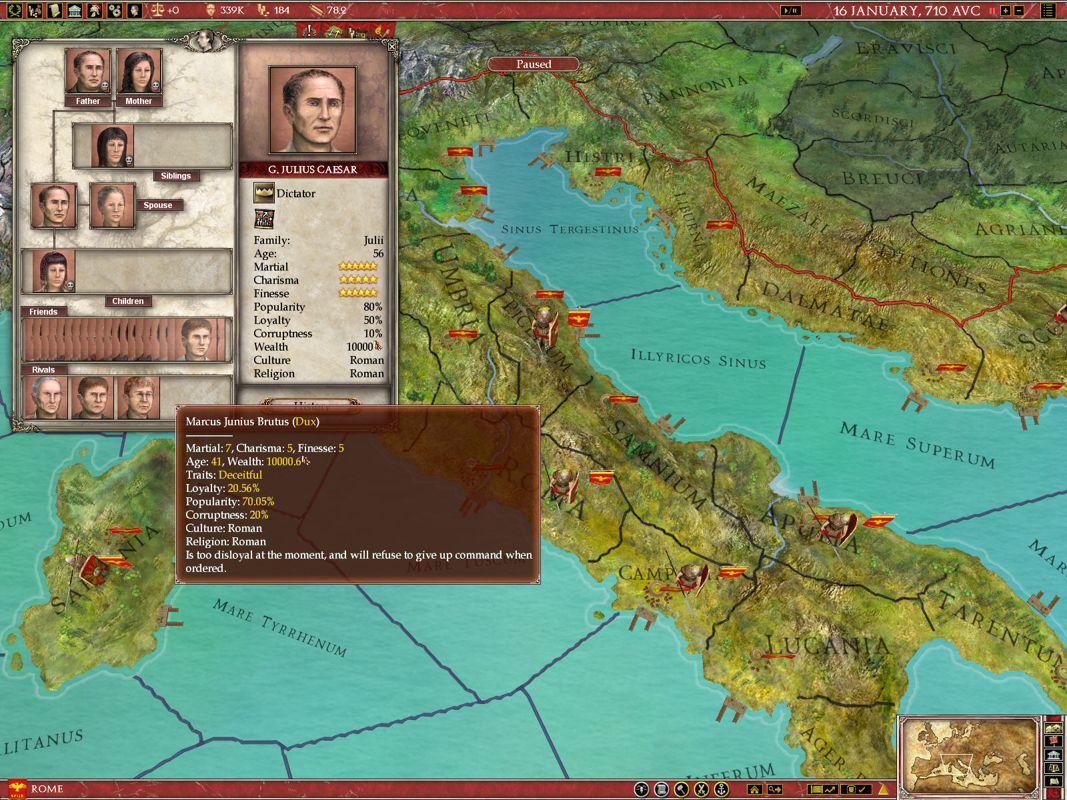
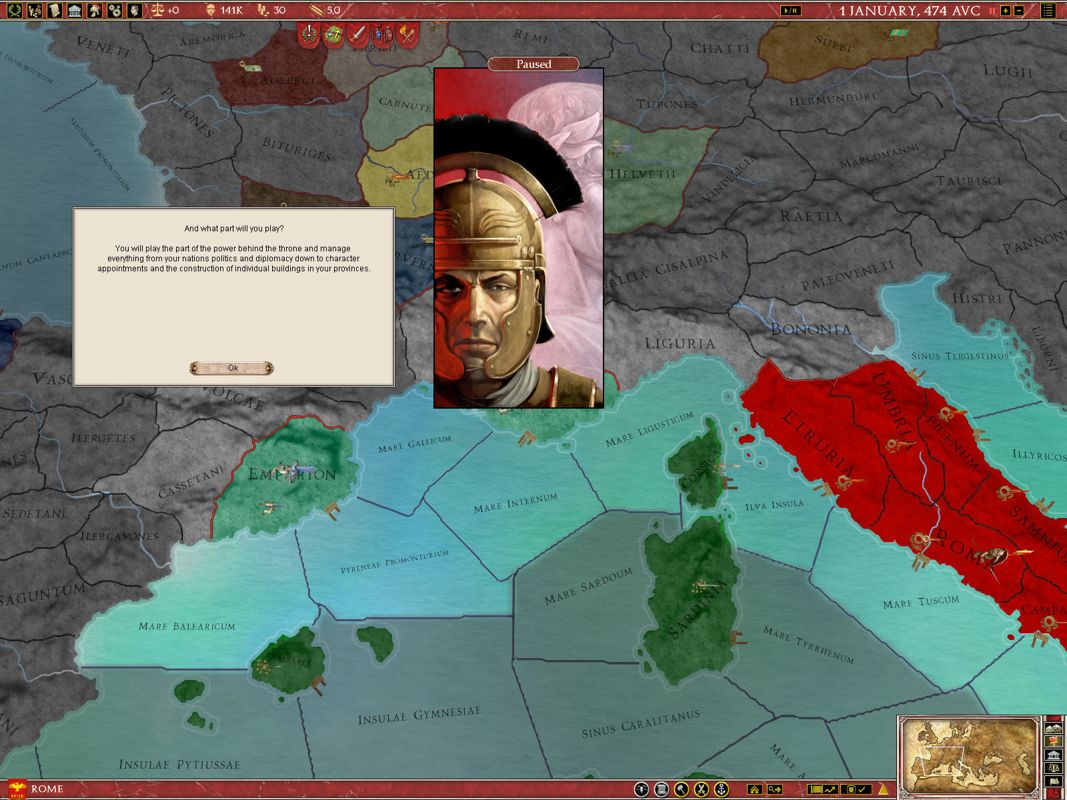
EU: Rome’s graphical engine marks a clear step up from its Europa Universalis III roots. The map is richly detailed, with differentiated terrain types—from the rugged Alps to the sandy shores of the Mediterranean—each influencing movement and combat. Province borders, trade routes, and resource icons are crisply rendered, making it easy to digest large-scale information at a glance.
Unit models and animations, while not cutting-edge by modern 3D standards, bring a charming authenticity to your legions and allied forces. Each army’s banner flutters in the wind, while fortified walls and city structures evolve as you invest in infrastructure. The interface overlays—resource trackers, diplomatic panels, and military orders—adhere to Paradox’s familiar design philosophy: function-focused and information-rich.
Graphical tweaks specific to the era—like historically inspired building sets and stylized unit portraits—deepen the immersion. Weather effects and the day-night cycle are subtle but contribute to the atmosphere, reminding you of the ever-present march of time in this historical sandbox.
Story
If you’re seeking a linear narrative, Europa Universalis: Rome will surprise you: its stories emerge organically. Instead of fixed story beats, you witness the rise and fall of families, shifting alliances, and the ebb and flow of power on a sprawling, evolving canvas. Every decision you make writes a new chapter in your nation’s saga.
Borrowing from Crusader Kings, the game introduces a cast of characters—senators, generals, tribunes—each with traits, ambitions, and personal relationships. These figures age, form friendships or rivalries, marry, and die. A revered general’s reputation may rally troops, while a scheming politician could plunge your republic into civil war if neglected. This layer of role-playing brings unpredictability; you never know which noble will seize power next.
Dynamic events—such as uprisings, trade embargoes, or legendary battles—provide narrative hooks that shape your grand strategy. These historical moments, combined with the personalized dramas of your courtiers, offer a vibrant tapestry of anecdotes and turning points. The result is an emergent history uniquely your own.
Overall Experience
Europa Universalis: Rome excels at delivering a sprawling, historically rich grand strategy experience. Its blend of deep economic management, strategic warfare, and emergent storytelling caters to veteran strategy fans and history enthusiasts alike. The ability to play as great powers or underdogs ensures high replayability, with each campaign presenting fresh challenges.
The learning curve is steep—EU: Rome demands patience and a willingness to learn its systems. However, the sense of accomplishment when your republic or kingdom thrives against overwhelming odds is deeply satisfying. The UI may feel dense initially, but its wealth of information becomes a powerful ally once mastered.
Despite minor hiccups in pathfinding and occasional AI quirks, the game’s scope and ambition shine through. Whether you aspire to recreate Caesar’s conquests or rewrite history as an eastern satrapy, Europa Universalis: Rome offers a grand stage for strategic minds. It stands as a testament to Paradox’s expertise in crafting living worlds where history is yours to command.


Reviews
There are no reviews yet.