 Retro Replay Retro Replay gaming reviews, news, emulation, geek stuff and more!


Retro Replay Review
Gameplay
Rasputin’s Curse blends classic hidden-object mechanics with light adventure elements, offering players a steady stream of exploratory puzzles and inventory-driven tasks. Scattered throughout elaborately detailed scenes are lists of items to find, some represented by silhouettes, challenging your observational skills and patience. The hint system proves invaluable when you’re stuck, though its recharge timer encourages you to rely on your own powers of deduction rather than overusing assistance.
(HEY YOU!! We hope you enjoy! We try not to run ads. So basically, this is a very expensive hobby running this site. Please consider joining us for updates, forums, and more. Network w/ us to make some cash or friends while retro gaming, and you can win some free retro games for posting. Okay, carry on 👍)
Beyond the core search-and-click gameplay, mini-games inject variety into the experience. You might painstakingly piece together a shredded manuscript, decipher a cryptic combination lock through trial and error, or spot subtle differences between nearly identical images. These diversions are well-paced and gradually ramp up in complexity, preventing the gameplay from feeling too repetitive.
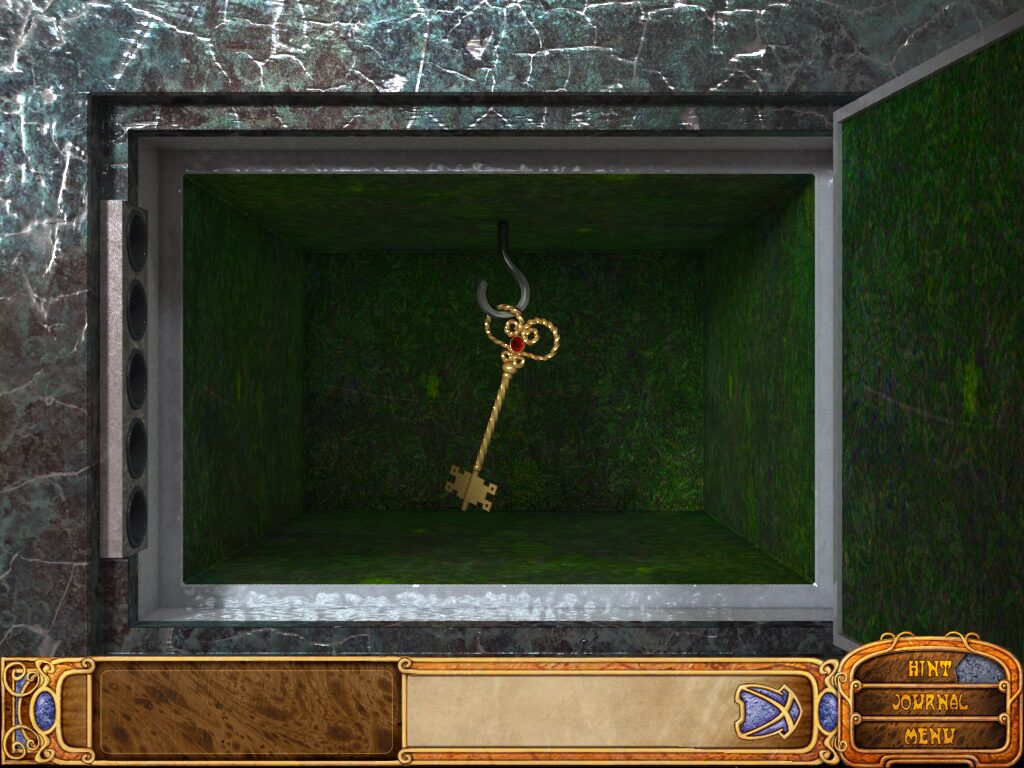
Inventory interactions deepen the adventure layer: select a key from your tray to unlock a mysterious chest, or combine disparate objects to craft a tool that advances the story. While these tasks are straightforward, they’re smoothly integrated into the environment and often accompanied by subtle audio cues that hint at their proper usage. Altogether, the gameplay loop strikes a comfortable balance between challenge and accessibility, appealing to both series veterans and newcomers.
Graphics
The visual presentation of Rasputin’s Curse stands out with its richly colored backgrounds and finely detailed foreground objects. Each location—from dimly lit Russian manors to airy European train stations—is rendered with atmospheric lighting and ornate textures that evoke a sense of period authenticity. Subtle shadows and weather effects, like drifting snow or flickering candlelight, enhance immersion.
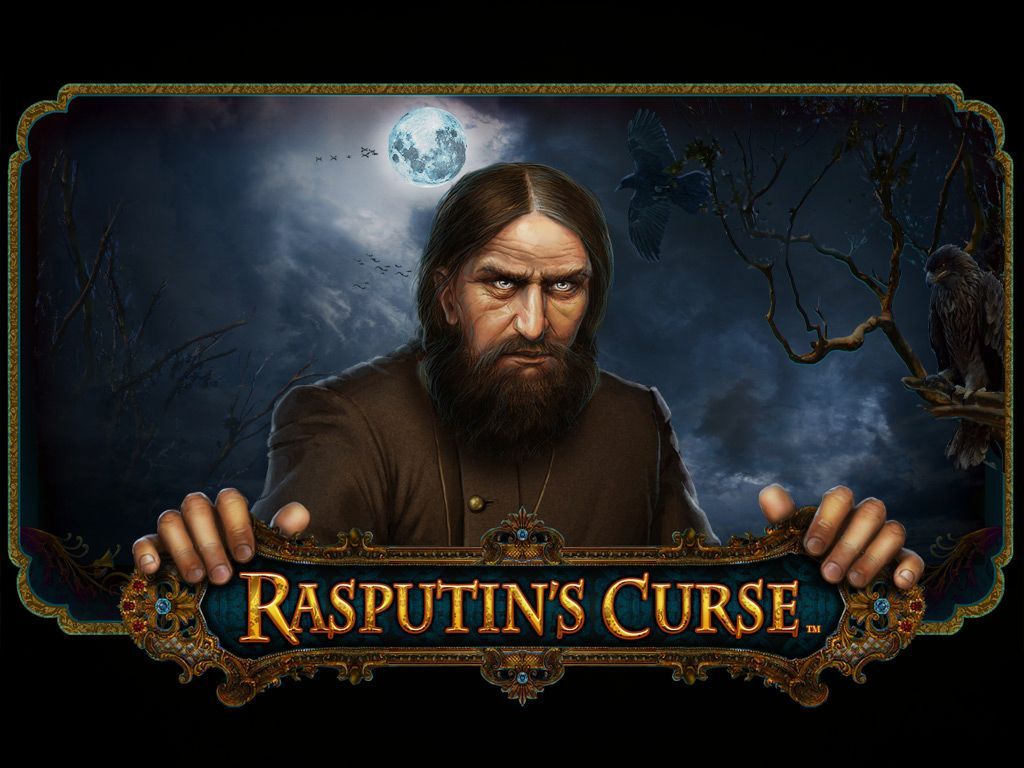
Character portrayals, though primarily confined to cutscenes and close-up still frames, convey emotion effectively. Lora’s expressions of shock, determination, and vulnerability are keenly observed through her eyes and posture. Ghostly hallucinations of Rasputin leverage translucent overlays and eerie motion blur, creating a haunting contrast with the otherwise crisp environments.
Despite its generally high production values, the game occasionally suffers from minor clipping issues when interactive hotspots overlap busy backgrounds. However, these instances are rare and hardly detract from the overall aesthetic. Animations—such as gently swaying curtains or the flicker of a dying lantern—are subtle but add life to each tableau, reinforcing the game’s moody atmosphere.
Story
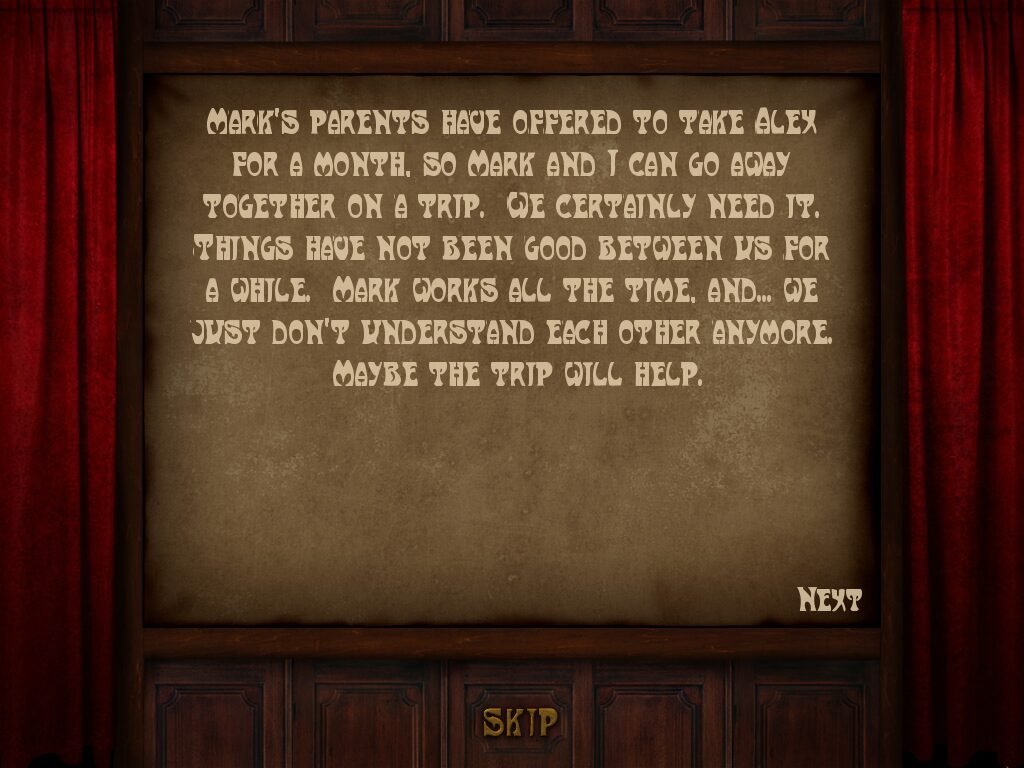
At the heart of Rasputin’s Curse lies a compelling personal drama. Lora, a North-American woman of Russian heritage, embarks on a journey to mend her crumbling marriage with her distant husband, Mark. When she overhears his infidelity, she decamps to St. Petersburg alone, determined to uncover familial secrets and face the ghost of the legendary mystic Rasputin. This setup injects emotional stakes into what could otherwise be a straightforward puzzle romp.
The narrative unfolds through a combination of in-game dialogue, diary entries, and Rasputin’s spectral visions. These hallucinations, ranging from cryptic whispers to full apparitions, simultaneously fuel the mystery and foreshadow darker revelations about Lora’s lineage. The writing strikes a solid balance between historical intrigue and personal turmoil, though some plot threads feel slightly underdeveloped by the finale.
Supporting characters, such as Mark’s concerned parents and enigmatic local guides, enrich the world but rarely overshadow Lora’s central quest. Voice acting is used sparingly, mostly reserved for pivotal cutscenes, but the English performances effectively convey the characters’ motivations. Overall, the story propels you forward, compelling you to piece together both puzzle solutions and long-buried family truths.
Overall Experience
Rasputin’s Curse delivers a polished hidden-object adventure with a memorable story and captivating atmosphere. The game’s moderate length—around four to six hours for a standard playthrough—feels just right for its price point, offering ample challenge without overstaying its welcome. The mixture of search scenes, inventory puzzles, and mini-games remains engaging from start to finish.
Replay value comes from optional bonus content, including extra scenes and collectible journal pages that shed more light on Rasputin’s history. While the core narrative remains linear, finding every secret and solving all puzzles on higher difficulty settings can extend your playtime. A convenient hint system and adjustable difficulty make it accessible for both casual players and hidden-object aficionados.
Ultimately, Rasputin’s Curse is recommended for fans of mystery-driven adventure games who appreciate atmospheric graphics and a strong central protagonist. Its blend of historical intrigue and personal drama sets it apart from more generic entries in the genre. Whether you’re new to hidden-object adventures or simply seeking a well-crafted journey across Europe’s shadowy past, Lora’s quest offers a rewarding experience worth exploring.


Reviews
There are no reviews yet.