 Retro Replay Retro Replay gaming reviews, news, emulation, geek stuff and more!
Retro Replay Review
Gameplay
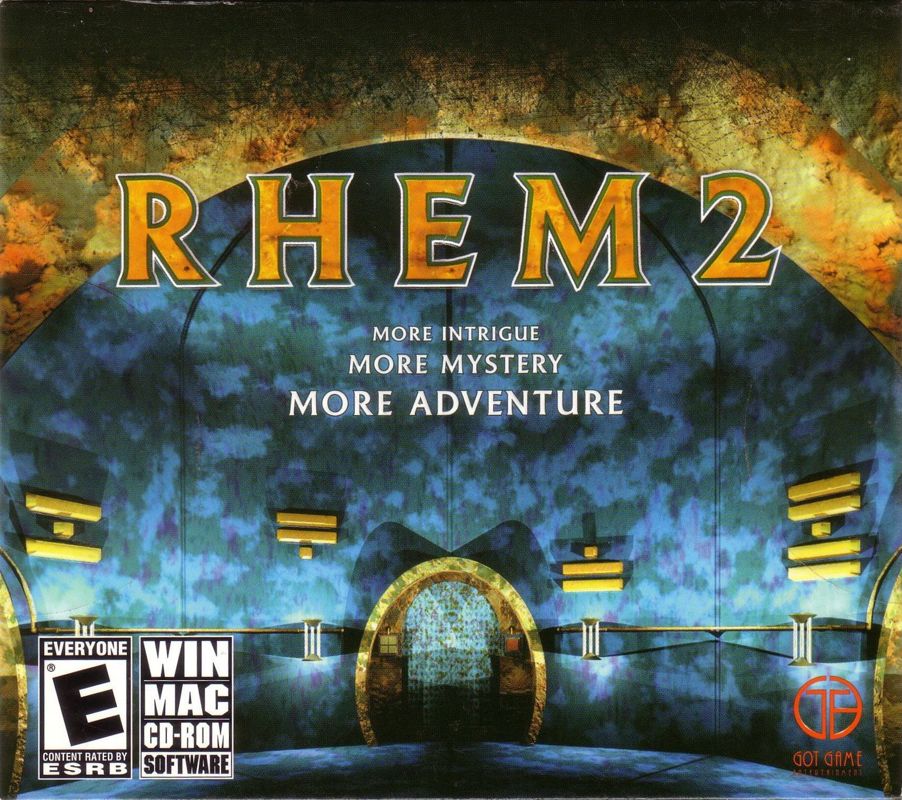
Rhem 2: The Cave picks up immediately where the first installment left off, but rest assured that prior experience with Rhem 1 is not required. At the outset, you receive all the narrative context you need: Zetais hands you the first fragment of a mysterious star-shaped key, setting you on a path to explore vast subterranean passages. From that point on, you are entirely in control of your pace, weaving through an intricate web of tunnels and chambers.
(HEY YOU!! We hope you enjoy! We try not to run ads. So basically, this is a very expensive hobby running this site. Please consider joining us for updates, forums, and more. Network w/ us to make some cash or friends while retro gaming, and you can win some free retro games for posting. Okay, carry on 👍)
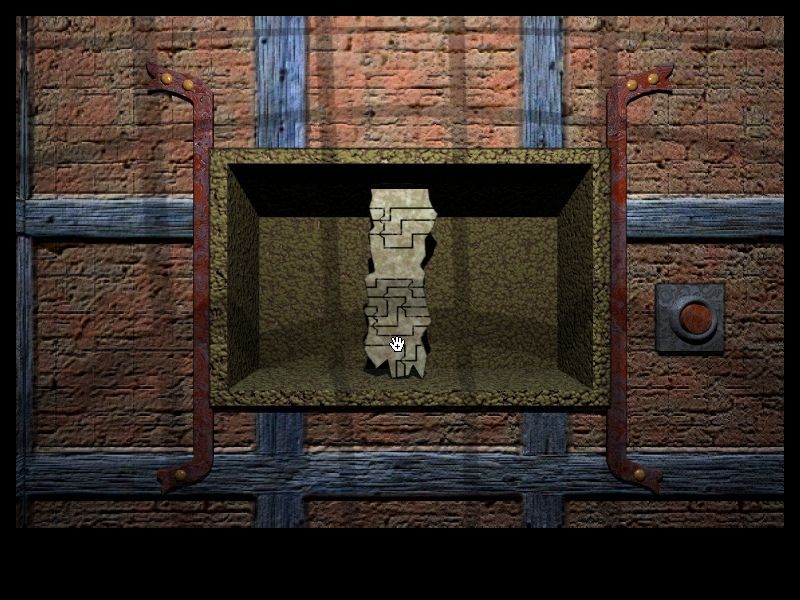
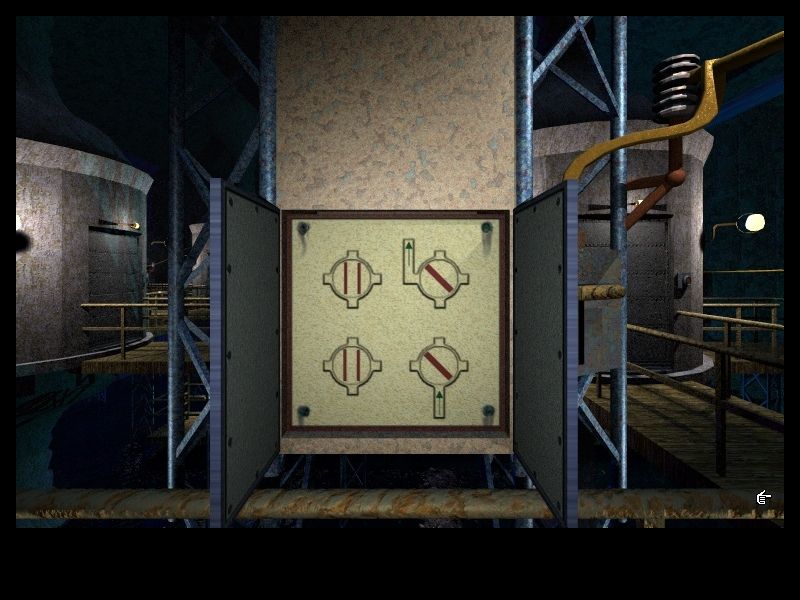
The core of Rhem 2’s gameplay revolves around brain-teasing puzzles that demand patience, keen observation, and logical deduction. Many challenges take the form of electrical circuits: rerouting power by connecting cables, activating switches, and restoring lights in dark corners. You’ll also face color-coded riddles, numeric sequences, and door mazes where the simple act of opening and closing panels can make or break your progress. Despite occasional moments of frustration, each solution feels like a genuine triumph.
Puzzle design in Rhem 2 is remarkably cohesive. Clues for one device are often hidden dozens of screens away, encouraging you to keep detailed notes and revisit previously explored areas. This non-linear approach rewards thorough exploration and allows you to return to earlier puzzles armed with new insights. The inventory system, accessible via its own screen, helps you manage key items, although its separation from the main view can interrupt immersion slightly.
Navigation is handled through a point-and-click QuickTime interface from a first-person perspective. Multiple cursors indicate whether you can move forward, manipulate an object, or examine your surroundings. You can tailor screen transition speeds to your tastes—slow them for a more cinematic feel or speed them up for rapid backtracking. Overall, the interplay of deliberate movement and methodical puzzle solving creates a deeply absorbing adventure.
Graphics
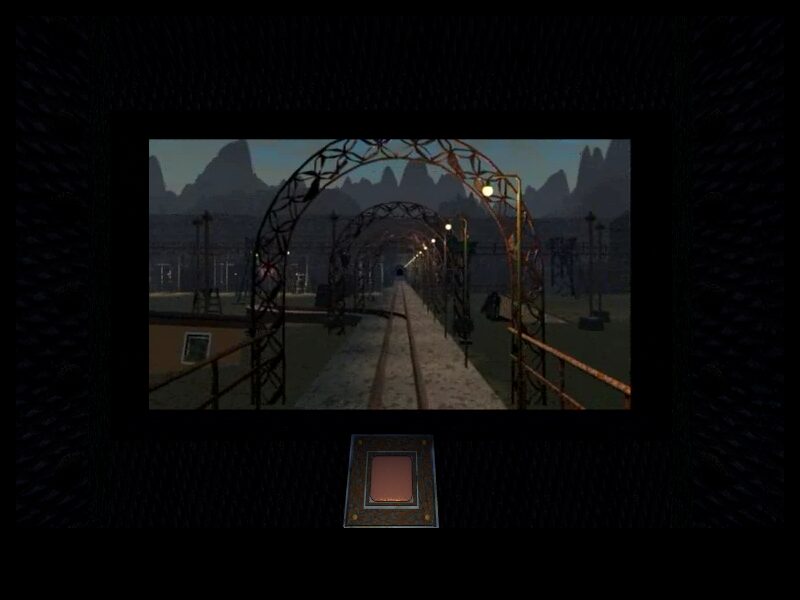
Visually, Rhem 2 relies on prerendered backgrounds optimized for 32-bit color at an 800×600 resolution. While the lack of resolution options may feel limiting on modern displays, the richly detailed environments more than compensate. Every stone wall, rusty pipe, and moss-covered floor tile carries a tangible sense of weight and history, plunging you into the dank underground world of Rhem.
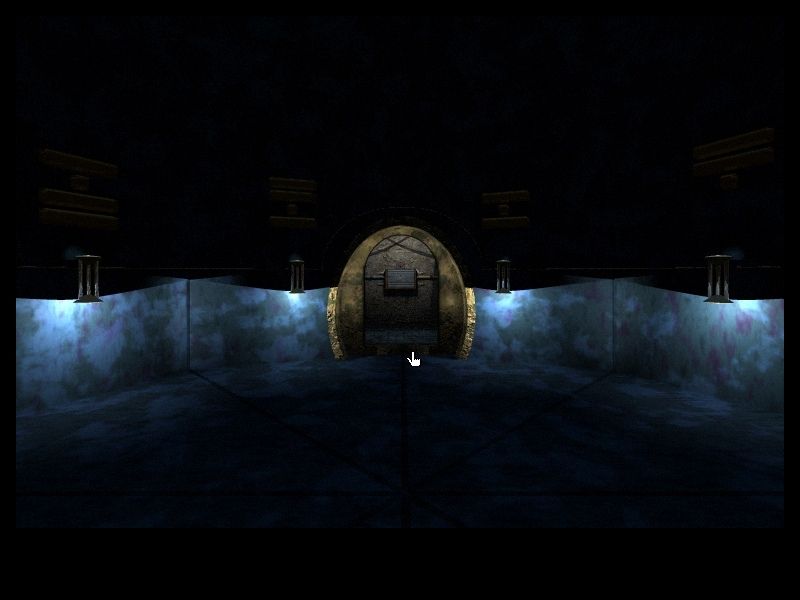
The lighting effects are particularly effective in setting the mood. Flickering lamps cast long shadows that deepen the mystery of uncharted caverns, while shut-off sections plunge you into near darkness until you restore power. These ambient light shifts not only create atmosphere but also serve as visual cues for puzzle progress, encouraging you to observe subtle changes in your environment.
Motion effects and QuickTime transitions add a layer of dynamism to the otherwise static scenes. When doors slide open or platforms rotate, the animation is smooth and purposeful, reinforcing the mechanical complexity of the game world. Video cut-scenes featuring real actors provide occasional narrative breaks. Although modest in production value, these sequences deliver essential plot information and offer a brief respite from the challenges below.
While there are no options for higher resolutions or widescreen support, the art direction holds up thanks to its attention to detail. From the worn surfaces of ancient control panels to the intricate patterning on the star-shaped key fragments, Rhem 2’s visuals maintain a consistent quality that adventure fans will appreciate—even if modern expectations demand higher pixel counts.
Story
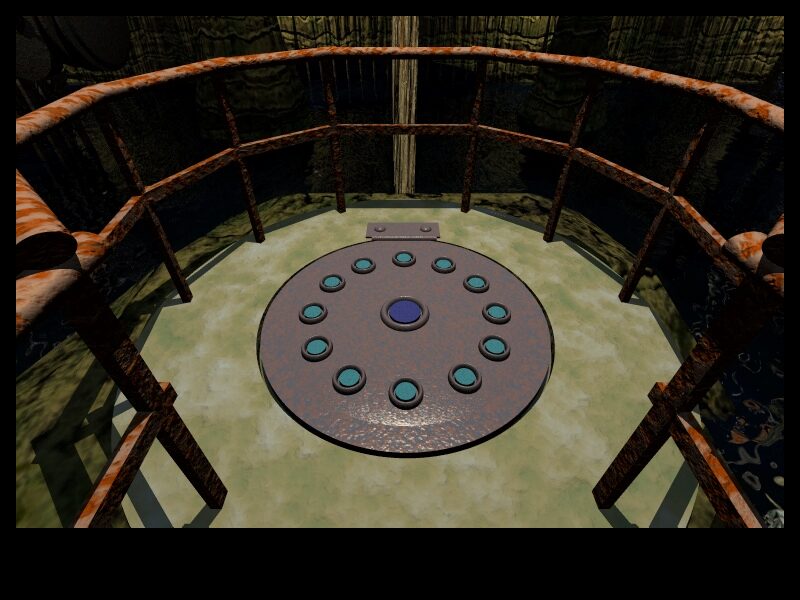
The narrative of Rhem 2 unfolds organically through exploration rather than cutscenes or dialogue trees. You begin with a clear objective—collect all pieces of the star-shaped key and photograph a mysterious disk for Zetais—but the deeper lore of Rhem emerges only through environmental storytelling. Cryptic symbols etched into walls, scribbled notes on consoles, and the architecture of long-abandoned chambers all hint at a civilization lost to time.
Characters are sparse but memorable. Zetais appears briefly at the start to set your quest in motion, while his brother Kales lurks offscreen as the architect of the underground network. Their presence is felt more than seen, creating a subtle tension: Why were these brothers exploring these caves in the first place? What drove them to design such elaborate mechanisms? The game invites you to piece together their motivations as diligently as you solve its puzzles.
Though minimalistic, the story excels in fostering a sense of isolation and curiosity. There are no non-player characters to guide you or hold your hand; instead, you rely on your wits to decipher cryptic hints scattered throughout the caves. This solo journey reinforces the feeling of uncovering forbidden knowledge, transforming every solved puzzle into a narrative reward.
By the time you assemble all key fragments and finally approach the mysterious disk, the payoff feels earned. The climax hinges on both your puzzle-solving prowess and your willingness to embrace ambiguity, ensuring that the story remains fresh in your mind long after the end credits roll.
Overall Experience
Rhem 2: The Cave offers a richly immersive challenge that rewards meticulous exploration and logical thinking. Its deliberate pacing may feel slow to newcomers accustomed to action-packed adventures, but the sense of accomplishment from unearthing hidden clues and finally cracking a tough puzzle is unmatched. If you appreciate cerebral gameplay over flashy combat, Rhem 2 delivers in spades.
The game’s greatest strength lies in its cohesive world design. Every hallway, lever, and cable feels part of a larger, intricately connected system. Backtracking is not a chore but a necessity, and the game cleverly hides hints in plain sight, requiring you to revisit earlier areas with fresh insight. This non-linear structure—and the sense of being the first to map out unseen passageways—fuels a continuous urge to explore further.
On the flip side, some players may find the fixed resolution and absence of a modernized interface a stumbling block. The QuickTime point-and-click controls are functional but can feel dated, especially when toggling between the main view and inventory screen. Similarly, the ambient sound effects, while atmospheric, offer only minimal music, which may leave those expecting a sweeping score wanting more.
Ultimately, Rhem 2: The Cave stands as a testament to thoughtful puzzle design and atmospheric storytelling. It may not cater to every taste, but for fans of classic point-and-click adventures who crave intricate riddles and subterranean mystery, it remains a compelling purchase—and one that will keep you poring over notes, drawings, and screens long into the night.


Reviews
There are no reviews yet.