 Retro Replay Retro Replay gaming reviews, news, emulation, geek stuff and more!
Retro Replay Review
Gameplay
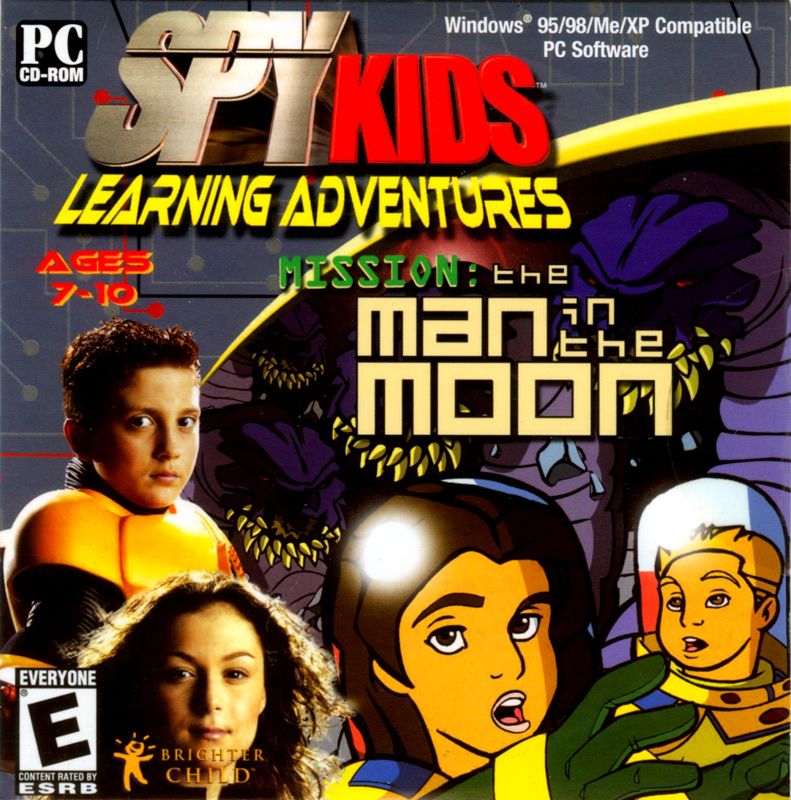
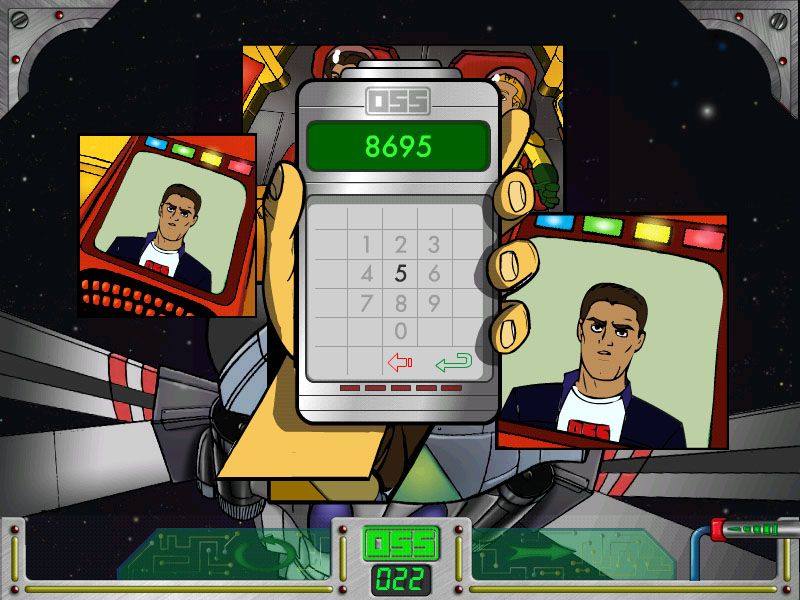
Spy Kids Learning Adventures: Mission: Man In The Moon blends educational content seamlessly with engaging adventure mechanics. Players guide Carmen and Juni through a series of interactive comic-book panels, solving math and logic puzzles to unlock codes that propel the narrative. Each code request feels like an organic part of the story, motivating young learners to sharpen their problem-solving skills in order to see what happens next.
(HEY YOU!! We hope you enjoy! We try not to run ads. So basically, this is a very expensive hobby running this site. Please consider joining us for updates, forums, and more. Network w/ us to make some cash or friends while retro gaming, and you can win some free retro games for posting. Okay, carry on 👍)
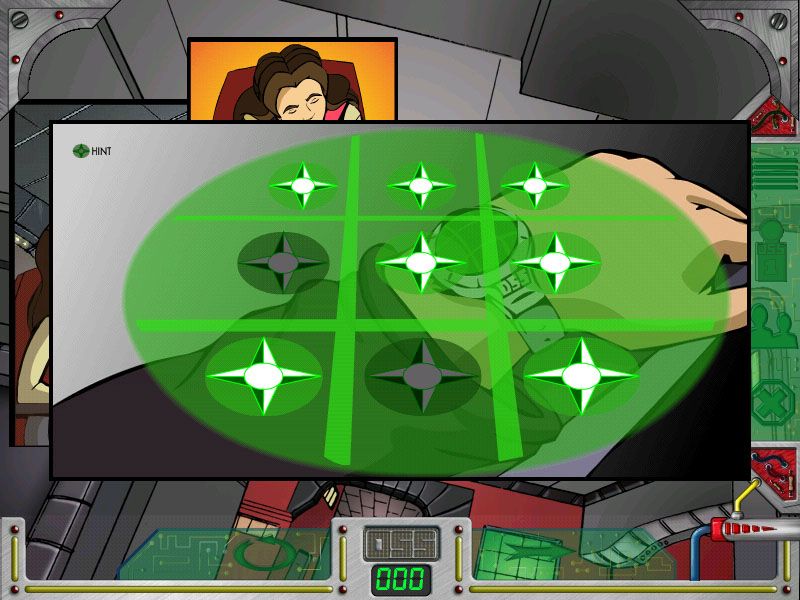
The game’s pacing is structured around “missions” found in the accompanying puzzle book (available as a physical booklet or PDF). Between story sequences, learners tackle arithmetic challenges, pattern recognition tasks, and logic grids. Successfully completing these puzzles inputs the correct codes, opening up new areas of the moonbase or advanced sections of the Dragonfly craft. For kids who thrive on instant feedback, the swift transition from puzzle to result reinforces confidence and keeps momentum high.
In addition to the code-based missions, there are standalone minigames designed to reinforce specific concepts. These range from sequence ordering challenges to spatial reasoning drills, each presented with Spy Kids flair. While these bite-sized diversions don’t drive the main plot forward, they offer valuable repetition without feeling like drills. The result is a balanced mix of narrative exploration and targeted learning activities, making it accessible to a wide range of ages and skill levels.
Controls are simple and intuitive, with point-and-click navigation that young children can master quickly. The challenge scales nicely: early puzzles introduce basic principles, while later stages ramp up difficulty to challenge older or more advanced players. For parents and educators, the built-in progress tracking is a welcome feature, allowing them to monitor which concepts a child has mastered and where they might need extra practice.
Graphics
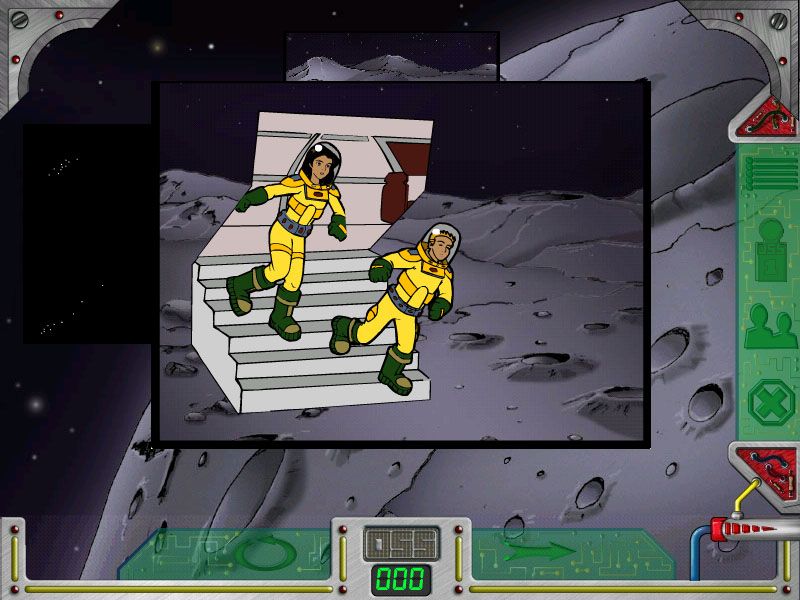
The visual style of Mission: Man In The Moon pays homage to classic comic books, using still drawings with speech bubbles and narration overlays. This approach gives the game a distinctive charm, leaning into the Spy Kids brand’s playful aesthetic. While it lacks dynamic 3D graphics, the artwork is crisp and colorful, capturing the sense of adventure that comes with a lunar mission.
Backgrounds of the moonbase and the surface of the moon are rendered in muted grays and silvers, punctuated by bright accents on equipment and character outfits. This color palette serves two purposes: it establishes the setting’s arcane science-fiction vibe, and it helps young players focus on interactive elements without distraction. Puzzle screens and menus are clearly laid out, with large icons and legible fonts suited to small hands and emerging readers.
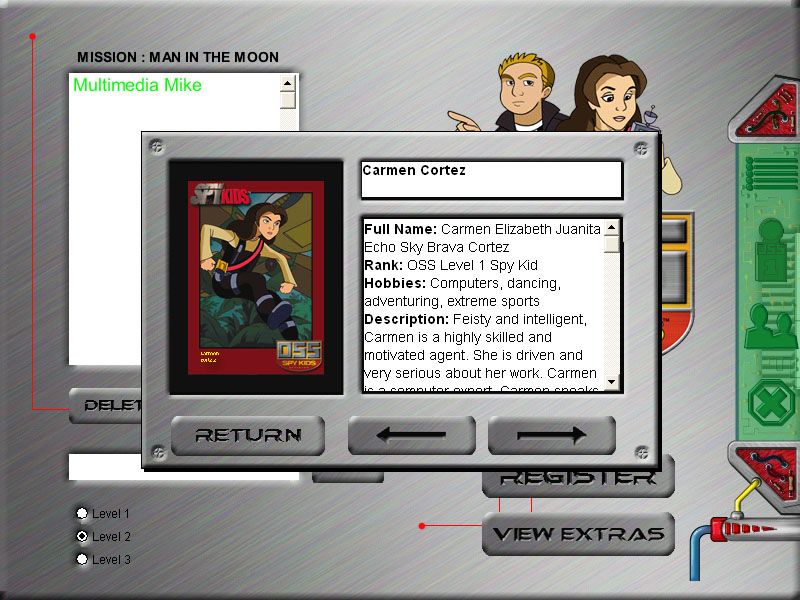
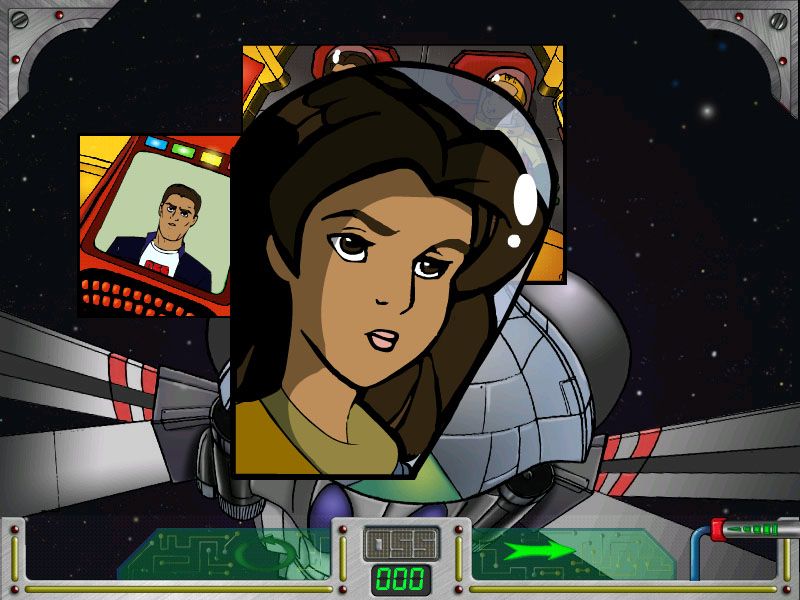
Character portraits of Carmen and Juni are expressive, conveying curiosity, determination, and occasional humor through simple line art and shading. While there’s minimal animation—aside from subtle transitions and frame‐by‐frame “page turns”—the static panels feel polished and professional. For an educational title aimed at younger audiences, the graphics strike a sweet spot between storytelling flair and functional clarity.
Although modern gamers may find the presentation dated compared to high-end console titles, the art direction is entirely appropriate for the game’s objectives. It maintains engagement without overwhelming kids with flashy effects, and the comic‐book format encourages them to imagine motion and action, fostering a more active form of engagement.
Story
Fans of the Spy Kids franchise will instantly recognize Carmen and Juni Cortez, now tasked with a mission that takes them beyond Earth’s atmosphere. The plot centers on a mysterious occurrence at a lunar research base, prompting the siblings to test their refurbished Dragonfly spacecraft in the rigors of space travel. This setup offers an exciting premise that’s both accessible and intriguing for young audiences.
Story progression hinges on player success with educational puzzles. Each solved code unlocks the next panel in the comic, revealing new clues about sabotaged experiments, missing scientists, or hidden data modules. The narrative tone is lighthearted and family-friendly, peppered with witty exchanges between the protagonists and occasional cameo appearances by familiar Spy Kids gadgets.
Despite relying on still images, the writing does an admirable job of conveying tension and humor. Voice-over narration adds personality to each scene, ensuring that the plot moves briskly. Younger children will appreciate the clear stakes—save the moonbase, outsmart the adversary—while older kids will enjoy piecing together the mystery through contextual hints and side references.
The story also subtly reinforces problem-solving values, showing Carmen and Juni collaborating and using their unique strengths. Parents will find comfort in the positive messages about teamwork, perseverance, and the importance of learning. Overall, the narrative provides just the right balance of suspense and educational purpose, making the journey to the moon both thrilling and instructive.
Overall Experience
Spy Kids Learning Adventures: Mission: Man In The Moon delivers a charming educational adventure that doesn’t feel like a chore. It effectively motivates children to tackle math and logic puzzles by weaving them into a playful spy narrative. The clear interface, engaging minigames, and steady story progression combine to create an experience that young learners will willingly return to.
While the game’s graphics and format won’t compete with mainstream entertainment titles, they serve the educational goals admirably. The multimedia comic-book presentation invites imagination, and the accompanying puzzle book bridges digital play with hands-on learning. This hybrid approach may appeal to parents and teachers seeking screen time with measurable learning outcomes.
The structured scalability of difficulty ensures broad appeal across elementary and middle school levels. Children gain a sense of achievement at each code unlock, while more challenging puzzles keep advanced learners engaged. The game’s replayability is bolstered by optional side missions and replayable minigames, allowing kids to revisit favorite puzzles or improve their times.
In summary, Mission: Man In The Moon is a well-crafted educational title that leverages the Spy Kids brand to foster math proficiency and logical thinking. Its thoughtful design, friendly visuals, and engaging storyline make it an excellent choice for parents, educators, and young gamers eager to learn while adventuring on the lunar surface.


Reviews
There are no reviews yet.