 Retro Replay Retro Replay gaming reviews, news, emulation, geek stuff and more!

Retro Replay Review
Gameplay
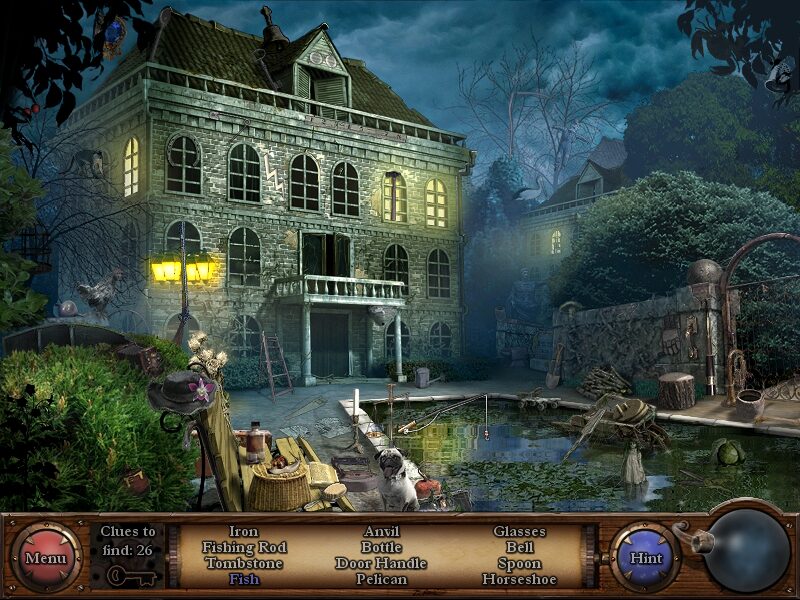
The Return of Monte Cristo builds on the solid foundation of its predecessor by delivering polished hidden-object gameplay that will feel instantly familiar to fans of the genre. As Edmond Dantès, you explore richly detailed, period-accurate environments in search of clues to your wife’s murder. Each scene presents a scrollable list of items to locate, and the intuitive point-and-click interface makes it easy to scan every nook and cranny.
(HEY YOU!! We hope you enjoy! We try not to run ads. So basically, this is a very expensive hobby running this site. Please consider joining us for updates, forums, and more. Network w/ us to make some cash or friends while retro gaming, and you can win some free retro games for posting. Okay, carry on 👍)
Beyond the standard find-and-click mechanics, the game introduces occasional drag-and-drop interactions—such as using a key to unlock a drawer or placing a lens into a lamp—that add a light layer of puzzle-solving to the experience. These tasks break up the search sequences nicely, encouraging you to think about object placement and context, rather than merely spotting silhouettes.
Intrusive mini-games and mechanical puzzles appear between locations, offering challenges like button-pressing sequences, dial rotations, and simple logic grids. While these interludes inject variety, they never overstay their welcome: an option to skip after a few minutes ensures that players who prefer pure hidden-object play can maintain the game’s narrative momentum.
Navigation between multiple static screens in each location is fluid and clearly signposted through doors, windows, and archways. A small glass bulb at the bottom-right of the screen highlights selected list items, while blue-tinted entries signal objects that require preliminary actions. This subtle guidance system helps keep frustration at bay without holding your hand.
Graphics
The Return of Monte Cristo shines with its hand-painted backgrounds, capturing mid-19th-century Europe in meticulously rendered detail. From dusty manor halls to foggy docks, the color palette evokes a moody, atmospheric tone that perfectly suits the game’s themes of betrayal and vengeance. Textures are crisp, and environmental flourishes—cracked plaster, flickering candlelight—lend an authentic, lived-in feel to every scene.
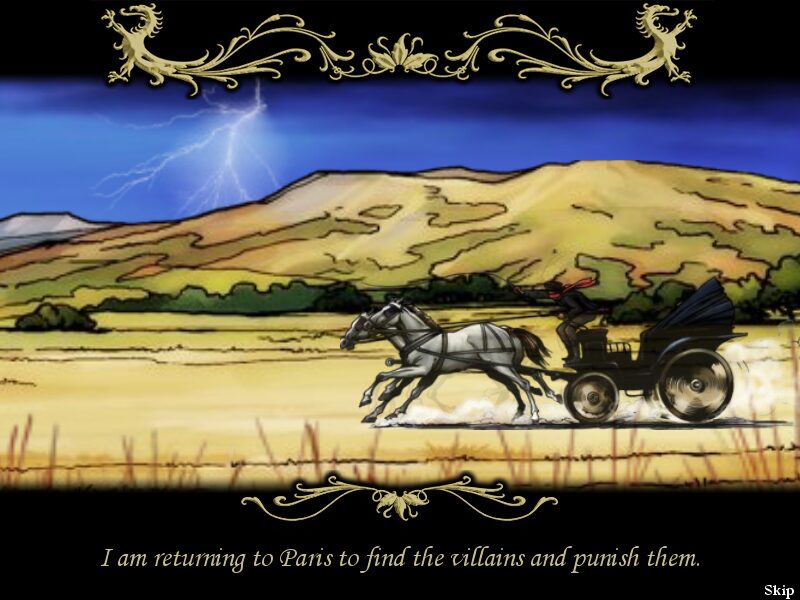
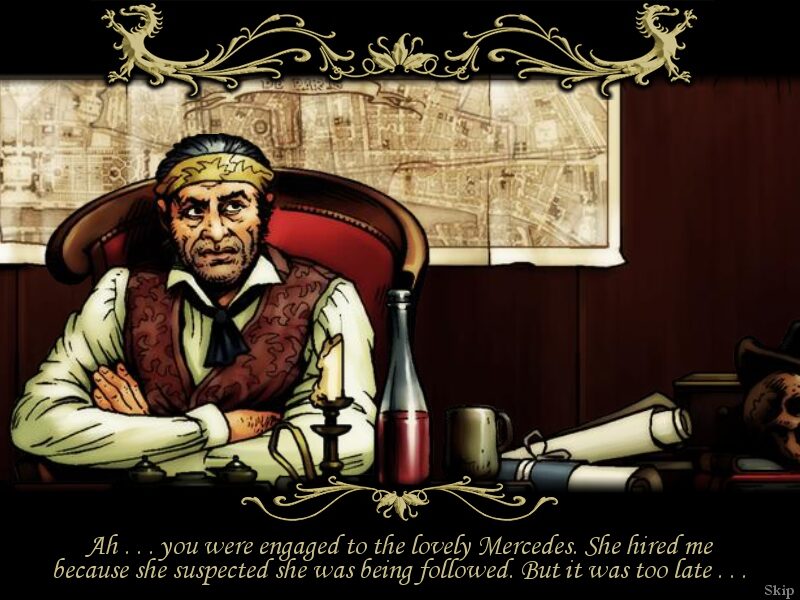
Character portraits and cut-scene illustrations are likewise well-executed, reflecting the art style of period engravings. Although full animations are limited, subtle movements—like rippling fabric or glowing embers—add life to otherwise static compositions. The UI elements, including the item list and the glass bulb silhouette indicator, are unobtrusive and blend seamlessly into the thematic design.
Transitions between scenes use gentle pans and cross-fades, providing a cinematic flow that keeps you immersed in the story. Occasional visual cues—smoke drifting across a window or a shadow darting along a wall—serve both as atmospheric touches and as hints for hidden items, enhancing the synergy between art and gameplay.
Performance is generally stable on modern systems, with minimal load times when moving from screen to screen. For those with higher-end hardware, enabling anti-aliasing smooths out fine details, making the ornate patterns on wallpapers and clothing look even more striking—ideal for players who appreciate a touch of visual elegance in their casual games.
Story
Drawing inspiration from Alexandre Dumas’s classic novel, The Return of Monte Cristo picks up the saga of Edmond Dantès at a darker, more personal juncture. Rather than searching for treasure or exacting grand vengeance on the aristocracy, this time Dantès must unravel a murder mystery: the brutal slaying of his beloved wife. The premise infuses each scene with emotional weight and a sense of urgency.
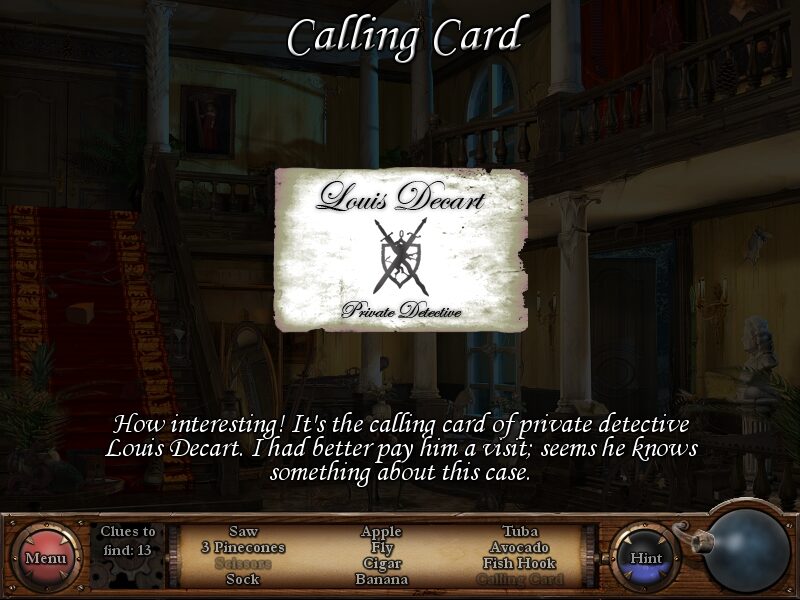
Story progression relies on discovered documents, whispered rumors, and damning evidence scattered across locations. Cutscenes and dialogue boxes provide context, fleshing out secondary characters such as suspicious guards, grieving townsfolk, and shadowy informants. While voice acting is minimal, well-written text and expressive art convey the drama effectively.
Throughout the game, pacing remains steady: you shift seamlessly from tense investigative segments to reflective moments in quiet parlors or sunlit gardens. Clues uncovered early often foreshadow later revelations, creating a satisfying narrative arc that culminates in a tense final confrontation. Fans of period mysteries will appreciate how the plot weaves literary references with fresh twists.
Although the storyline occasionally leans on clichés—mysterious strangers lurking in alleys, last-minute puzzle reveals—it maintains momentum through atmospheric settings and character-driven stakes. Dantès’s personal quest feels genuine, giving meaning to every hidden object found and puzzle solved.
Overall Experience
The Return of Monte Cristo offers a compelling blend of hidden-object exploration, light puzzle-solving, and literary intrigue. Its thoughtful design ensures that both casual players and series veterans will find plenty to enjoy, whether they’re seeking a relaxed investigative stroll or a more challenging treasure-hunt feel. The ability to skip mini-games keeps the experience accessible to all skill levels.
Atmospheric graphics, period-authentic soundscapes, and a haunting, suspenseful storyline combine to elevate the game above typical casual fare. While it doesn’t revolutionize the hidden-object genre, it refines and expands upon proven mechanics, delivering more depth and narrative cohesion than many competitors.
For fans of Alexandre Dumas or anyone who enjoys a good whodunit set against a classic literary backdrop, The Return of Monte Cristo is a welcome return to the world of Edmond Dantès. It manages to balance mood, challenge, and storytelling in a way that feels both respectful of the source material and engaging as a standalone adventure.
Overall, if you’re in the market for a richly detailed hidden-object experience with a strong narrative hook and enough variety to keep you exploring, this title is well worth your time. It stands as a refined successor to The Count of Monte Cristo and a solid entry point for newcomers to Dantès’s tragic, tenacious world.


Reviews
There are no reviews yet.