 Retro Replay Retro Replay gaming reviews, news, emulation, geek stuff and more!
Retro Replay Review
Gameplay
Timelapse delivers a classic point-and-click adventure experience that will immediately appeal to fans of Myst and similar titles. Players navigate through a series of beautifully rendered static screens, clicking hotspots to explore each locale, uncover clues, and piece together ancient machinery. The interface is straightforward, with an inventory bar neatly tucked away at the bottom of the screen, enabling you to collect artifacts and combine items to solve environmental puzzles.
(HEY YOU!! We hope you enjoy! We try not to run ads. So basically, this is a very expensive hobby running this site. Please consider joining us for updates, forums, and more. Network w/ us to make some cash or friends while retro gaming, and you can win some free retro games for posting. Okay, carry on 👍)
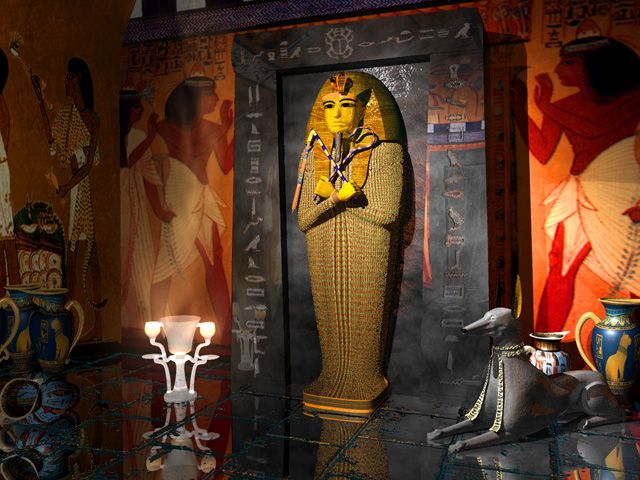
The puzzles in Timelapse are varied and cleverly integrated into the game world. From deciphering hieroglyphic inscriptions in Egypt to aligning Mayan star charts, every challenge feels thematically appropriate and rewarding once solved. The difficulty curve is generous but non-linear: some chapters offer more brain-teasers than others, giving you the freedom to backtrack and tackle different challenges if you become stuck. A handy auto-save system ensures you never lose progress, but the game encourages careful note-taking, harking back to the golden age of adventure gaming.
One of the standout gameplay features is the “time portal” mechanic that lets you jump between the Easter Islands dig site and other ancient civilizations. This adds a refreshing layer of depth, as actions you take in one era often unlock new puzzles or pathways in another. It fosters an exciting sense of cause and effect that keeps you engaged in the puzzle-solving loop. While navigation can feel slightly clunky at times—requiring pixel-hunts for invisible hotspots—most players will find the overall experience satisfying and immersive.
Graphics
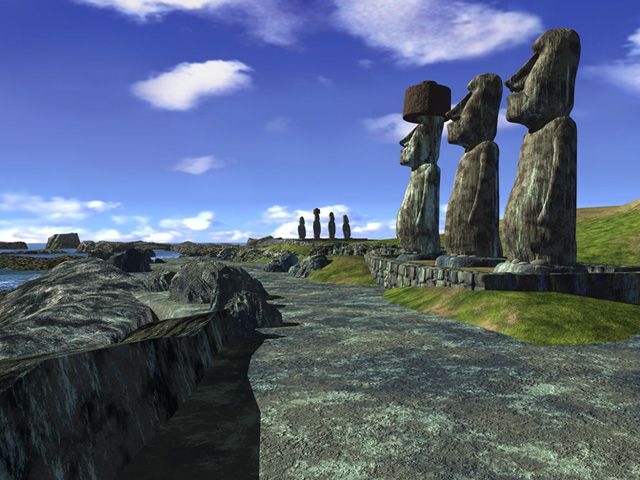
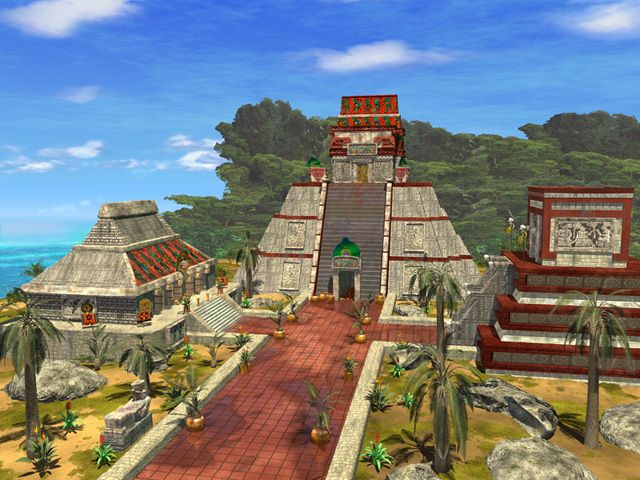
Timelapse’s visuals are its crowning achievement, showcasing richly detailed pre-rendered backdrops that bring each civilization to vibrant life. The lush greenery and enigmatic moai statues of Easter Island contrast beautifully with the golden sands and towering pyramids of Egypt. Even the lost Anasazi cliff dwellings are rendered with meticulous care, highlighting wooden beams, petroglyphs, and the soft glow of sunset rays filtering through narrow alcoves.
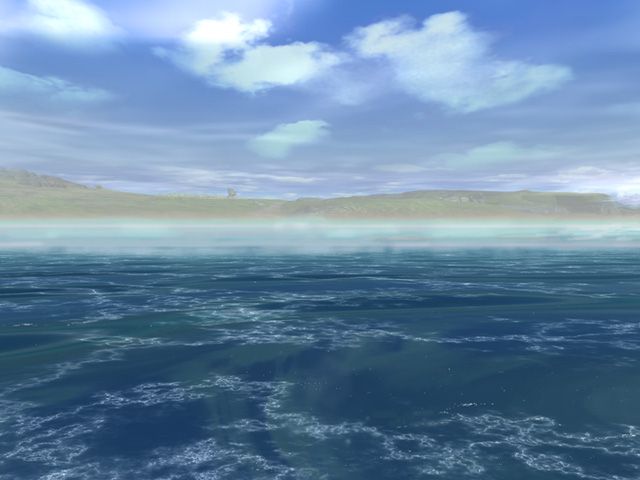
Despite being a mid-90s title, the game’s art style manages to avoid feeling dated. Each scene uses atmospheric lighting and color schemes that evoke the mystery and grandeur of long-lost cultures. Subtle animations—like flickering torches, waving palm fronds, or drifting sand—add a dynamic touch without breaking the immersion. When you first step into the undersea realm of Atlantis, the translucent water effects and ancient stone carvings create a breathtaking tableau that underscores the developers’ keen eye for environmental design.
On modern systems, resolutions can be enhanced through community patches, sharpening textures without altering the original artwork. While the interface panels and text screens retain their classic appearance, they never detract from the overall visual feast. If you appreciate hand-crafted environments over real-time 3D engines, Timelapse’s graphics continue to impress even decades after its initial release.
Story
The narrative of Timelapse begins with palpable urgency: an archaeologist friend sends a cryptic message about a groundbreaking discovery on Easter Island, only to vanish upon your arrival. This premise hooks you from the first moment, setting you on a globe-spanning quest that feels both intimate and epic. There’s no superfluous exposition—every diary entry, map annotation, and audio log you uncover adds weight to your investigation.
As you leap through time to ancient Egypt, Maya, Anasazi, and finally Atlantis, the game weaves cultural lore into its puzzle design. You learn about Mayan calendar systems, study Egyptian symbolic language, and piece together Anasazi construction secrets. These vignettes serve a dual purpose: they deepen the world-building and provide context for the mechanisms you need to activate each era’s portal device. The story never feels forced; instead, it flows naturally from one discovery to the next.
Timelapse’s storytelling excels in environmental narrative, using artifacts and terrain to convey a sense of history. For example, discovering a weathered stone tablet in Egypt is accompanied by voice-over snippets that recount the tablet’s origin, drawing you into the civilization’s mythology. By the time you unearth the truth behind Atlantis’s downfall, the emotional payoff is powerful. The game closes with a satisfying blend of revelation and wonder, leaving you reflecting on lost cultures long after the credits roll.
Overall Experience
Timelapse offers a deeply rewarding journey for anyone who loves cerebral challenges wrapped in a richly realized world. Its blend of immersive storytelling, clever puzzle design, and evocative visuals creates a cohesive package that stands the test of time. Expect to spend 8–12 hours on your first playthrough, with additional time devoted to uncovering optional puzzles and soaking in the atmospheric details.
While it demands patience and a willingness to jot down notes, the sense of accomplishment gained from cracking each era’s riddles is unparalleled. The game’s pacing is deliberate—rarely rushing you but also never allowing the narrative wheels to stall. Music and ambient soundscapes bolster the mood, from the haunting chants in a Mayan temple to the echoing drip of subterranean Atlantis chambers.
For modern adventurers, using community patches and walkthroughs can ease playback on current hardware and assist with particularly thorny puzzles. However, even purists who tackle the game without hints will find Timelapse to be a timeless classic. Its careful balance of exploration, intellect, and storytelling makes it a must–play for fans of puzzle-driven adventures and anyone curious about the mysteries of ancient civilizations.



Reviews
There are no reviews yet.