 Retro Replay Retro Replay gaming reviews, news, emulation, geek stuff and more!
Retro Replay Review
Gameplay
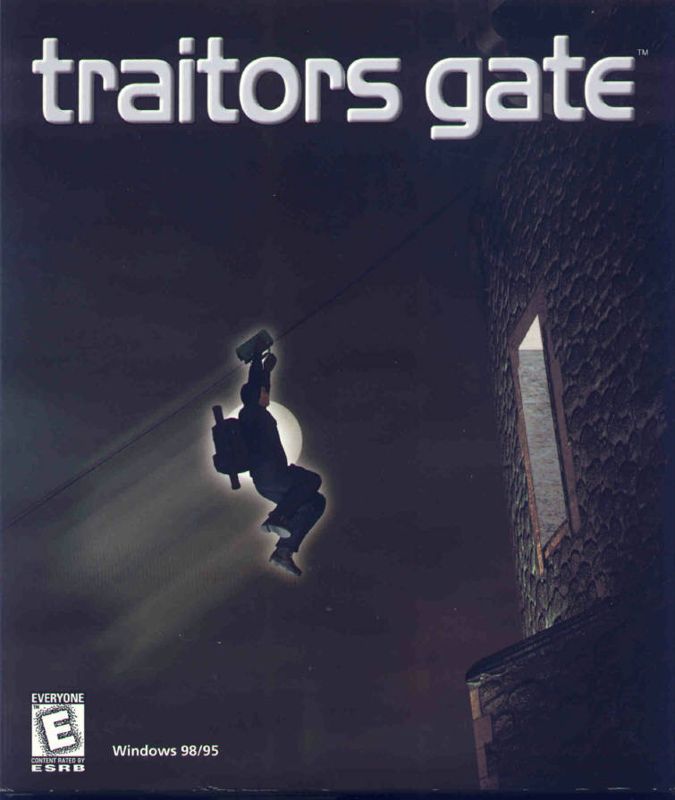
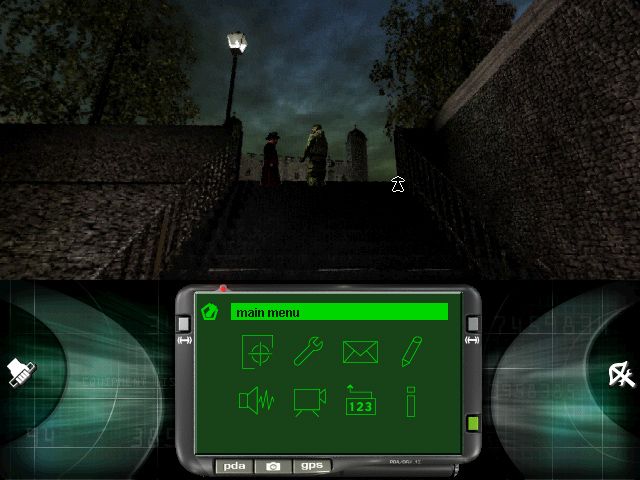
Traitors Gate places you in the shoes of Special Agent Raven in a first-person, node-based adventure that blends intricate puzzles with a stealthy infiltration mission. Much like Myst III, the game uses static 360-degree panoramas linked by smooth animations, allowing you to click through highly detailed environments rather than roam freely in real time. From the moment you begin, you’re given a PDA-style device that serves as your lifeline: it houses a camera, email system to communicate with headquarters, and logs your progress through the tower.
(HEY YOU!! We hope you enjoy! We try not to run ads. So basically, this is a very expensive hobby running this site. Please consider joining us for updates, forums, and more. Network w/ us to make some cash or friends while retro gaming, and you can win some free retro games for posting. Okay, carry on 👍)
The core objective is deceptively simple – infiltrate the Tower of London, plant a bugged replica of the Crown Jewels, and exit unnoticed – but the execution is anything but. You have only nine in-game hours (which tick by in real time) to accomplish your mission, creating a constant sense of urgency. Time management becomes as critical as puzzle-solving, forcing you to chart efficient routes, prioritize objectives, and sometimes decide if you’ll risk detours to gather extra gadgets or intel.
Puzzles range from electronic safes that require information gleaned elsewhere in the tower to environmental locks that demand creative use of your inventory. Because the developers recreated the Tower in painstaking detail (with a few imaginative tweaks to security layouts), you’re free to approach challenges from multiple angles. Want to disable a camera via its control panel? Sneak through a ventilation shaft? Or bluff your way past a guard using a forged ID? The open-ended design rewards exploration and lateral thinking.
However, the experience isn’t without its quirks. Traitors Gate spans four discs, each dedicated to a different wing of the tower, so you’ll find yourself swapping discs whenever you shuttle between levels. While this was par for the course when the game launched, it can interrupt immersion today. Still, the user interface is intuitive, and your PDA makes navigation and tracking tasks straightforward. Overall, the gameplay loop of exploration, puzzle-solving, and stealthy maneuvers remains compelling from start to finish.
Graphics
Visually, Traitors Gate leverages high-resolution still images to create its richly detailed 360-degree nodes. The stone corridors, ornate chambers, and regal display rooms of the Tower of London come alive through carefully photographed textures and atmospheric lighting. When you rotate your view, the seamless blending of panoramas convinces you that you’re really peering around ancient walls.
Interspersed with these static panoramas are fully rendered animations and cut-scenes that advance the plot or illustrate gadget usage. Whether you’re watching a security camera swivel to catch an intruder or seeing your replica jewels assembled piece by piece, these moments break up the clicking routine and inject bursts of cinematic flair. The quality of these sequences varies, but they generally uphold the game’s immersive tone.
By modern standards, some textures appear dated, and the lack of dynamic lighting or real-time shadows can feel limiting. Yet, for a game of its era, the production values remain impressive: cracked stonework, flickering torches, and jeweled reflections all look sharp enough to draw you deeper into the heist. The static nature of the scenes actually works in its favor, letting the designers focus on photographic realism rather than polygon counts.
Whether you’re examining the intricate lock on a display case or studying the guard’s patrol route, the visual fidelity enhances both puzzle clarity and atmosphere. The trade-off of fixed viewpoints for high-detail imagery pays dividends in immersiveness, making every corridor and chamber a convincing stage for your covert operation.
Story
Traitors Gate unfolds a tense narrative that pits you against a rogue Pentagon director intent on stealing the Crown Jewels for his own ends. As Special Agent Raven, your mission is to beat him to the Tower, plant a bugged replica set, and foil his plan without alerting British intelligence. It’s a classic race-against-time thriller steeped in espionage and historical intrigue.
Narrative details filter through your PDA’s email system, briefings, and sporadic cut-scenes, giving you just enough context to stay motivated without bogging you down in exposition. A terse message from headquarters here, a whispered warning from a contact there – these snippets keep the story moving at a brisk pace. The tension ramps up as each hour passes, and faint hums of alarm bells or distant radio chatter remind you that failure carries dire consequences.
Characterization is lean but effective. Agent Raven remains an inscrutable professional, letting the player project themselves into the role, while supporting voices (both friend and foe) deliver key plot twists and technical advice. You won’t find lengthy dialogue trees or moral quandaries; instead, the focus is firmly on executing your mission with precision and stealth.
Although the premise might sound straightforward, the narrative stakes feel surprisingly high. The clash between global superpowers, the priceless history encapsulated in the jewels, and the ticking clock combine to create sustained suspense. By the final moments, you’re as invested in the outcome as you would be in any action-espionage film.
Overall Experience
Traitors Gate delivers a unique blend of puzzle adventure and stealth thriller set within one of Britain’s most iconic landmarks. Its open-ended design permits a variety of approaches, whether you prefer meticulous planning, gadget-driven problem-solving, or bold improvisation. The real-time clock adds a layer of strategy that keeps you constantly on your toes, while the PDA interface streamlines navigation and communication.
On the flip side, the disc-swapping mechanic and static node system can feel cumbersome to players accustomed to seamless worlds and free movement. Texture aging and the absence of dynamic lighting may also stand out to modern eyes. Yet in many respects, these limitations are integral to the game’s charm, harkening back to an era when immersive still-image adventures ruled the genre.
Where Traitors Gate truly shines is in its atmosphere and attention to detail. From the echo of footsteps in empty hallways to the gleam of torchlight on steel grilles, every aspect of the Tower comes alive. Puzzle design remains logical yet challenging, and the freedom to explore fosters a genuine sense of discovery.
For fans of Myst-style adventures, puzzle lovers, and anyone intrigued by espionage set against a historical backdrop, Traitors Gate offers an engrossing experience. It may require patience and a willingness to embrace its period-specific interface, but the payoff – a stealthy, tension-filled heist in one of the world’s most storied fortresses – is well worth the effort.


Reviews
There are no reviews yet.