 Retro Replay Retro Replay gaming reviews, news, emulation, geek stuff and more!



Retro Replay Review
Gameplay
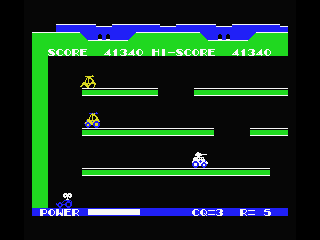
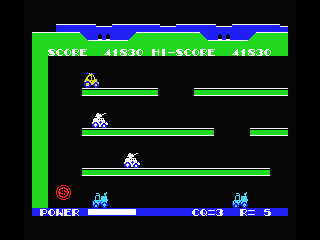
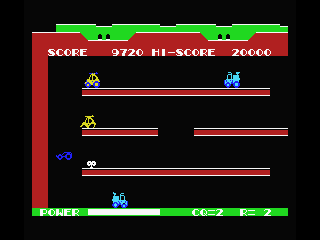
The core gameplay of Choro Q revolves around the unique mechanic of assembling two other cars in each level by collecting their chassis, engine, and coachwork in the correct sequence. This build-and-race hybrid introduces a fresh twist to traditional platformers: you aren’t just outrunning enemies, you’re racing against the clock to complete your own vehicles. Each stage challenges you to multitask, balancing the urgency of gathering parts with the hazards of the environment.
(HEY YOU!! We hope you enjoy! We try not to run ads. So basically, this is a very expensive hobby running this site. Please consider joining us for updates, forums, and more. Network w/ us to make some cash or friends while retro gaming, and you can win some free retro games for posting. Okay, carry on 👍)
Controls are simple yet precise, allowing your tiny Choro Q car to dash, brake, and jump with responsiveness that belies the game’s toy-like aesthetic. Steering is intuitive enough for newcomers, but mastering the timing on jumps or sudden turns is essential to avoid plummeting off narrow platforms or colliding with walls. A light throttle of “hold button to speed up” adds depth: push forward and risk a tumble, back off and lose momentum.
Hostile cars and tanks patrol each stage with increasingly aggressive patterns, forcing you to plan routes carefully. Upon completing the first car, it transforms into a coin: grabbing it grants a brief invulnerability period, turning your quarry into prey. This electrifying shift from survival to offense rewards risk-taking and adds an exhilarating layer of strategy—do you clear enemies first, or prioritize parts for the next vehicle?
Levels escalate in complexity, introducing moving platforms, narrow bridges, and obstacle courses that test both reflexes and planning. Bonus stages and secret routes encourage exploration, while time-based challenges cater to completionists. The balance between building cars under pressure and exploiting brief windows of invincibility creates a brisk, satisfying loop that keeps players engaged throughout.
Graphics
Choro Q’s visuals capture the charm of Takara’s Penny Racers with bright, cartoony sprites set against colorful platform backdrops. Cars and tanks are rendered in a chunky, approachable style that emphasizes their miniature size and playful personality. Vibrant palettes and clean lines make each component—chassis, engine, coachwork—instantly recognizable.
Environments range from sunlit cityscapes to shadowy industrial factories, each boasting layered backgrounds that give depth to otherwise two-dimensional stages. Subtle details, like drifting smoke plumes and animated billboards, enrich the world without overwhelming the action. Your car’s tiny exhaust puffs and skid marks on the pavement convey weight and motion with delightful clarity.
Animation quality remains consistent throughout, with smooth transitions when assembling parts and transforming into the coin form. Enemy vehicles exhibit distinct movement cues—tanks retract their barrels before firing, rival cars flash their headlights before charging—allowing perceptive players to anticipate threats. Even minor touches, such as coins sparkling in midair, make each interaction feel rewarding.
Performance is solid on original hardware and in emulation, with minimal frame drops even during the most hectic sequences. Pop-in is rare, and collision detection feels accurate, ensuring that you’re penalized only when you genuinely mistime a jump or misjudge a turn. Overall, Choro Q’s graphics marry nostalgia with functional clarity, delivering an experience that’s as pleasing to the eye as it is to the hands.
Story
Choro Q’s narrative is minimal by design, reflecting the game’s origins as a spin-off of a toy car franchise. There’s no extensive plot or character-driven drama—your mission is simple: build two cars per stage and outpace your mechanical adversaries. Yet within this straightforward premise lies a lighthearted charm that resonates with fans of collectible toys and arcade-style challenges.
Each level’s implicit narrative unfolds through its layout and hazards: you can imagine your diminutive racer darting through an abandoned warehouse or zipping along a city skyline at dusk. The absence of cutscenes keeps the pace brisk, allowing the gameplay loop to shine while still providing a sense of progression as you conquer new environments.
Occasional in-game signs and level titles hint at a broader world of Choro Q car competitions, suggesting friendly rivalries and trophy chases off-screen. This subtle context gives personality to the stages, even if the story remains mostly in the background. Fans of the franchise will appreciate the nods to various car models, each part echoing a real-world counterpart.
Though there’s no dramatic plot twist or character arc, the game’s premise—building and racing your own cars under pressure—offers all the narrative you need. The emergent stories come from your personal triumphs and near-misses, making each playthrough a small tale of mechanical mastery and quick reflexes.
Overall Experience
Choro Q delivers a compact, exuberant experience that blends platforming, racing, and light puzzle-solving into a cohesive whole. Its unique assembly mechanic keeps each level feeling fresh, while fleeting moments of invulnerability add bursts of high-octane thrill. The learning curve is gentle enough for beginners yet offers depth for seasoned players seeking perfect runs and item-packed bonuses.
Visually charming and mechanically sound, the game exudes a toy-like allure that’s ideal for quick sessions or marathon playthroughs. Its pick-up-and-play nature makes it accessible to younger audiences, while hidden routes and time trials provide ample challenge for veteran gamers. Choro Q strikes a fine balance between simplicity and depth.
While the lack of a traditional narrative might disappoint those seeking epic storytelling, the game’s inherent personality and engaging mechanics more than compensate. The simple joy of assembling cars under fire, then flipping the tables with a collectible coin, creates a memorable loop that begs for “just one more try.”
Whether you’re drawn by nostalgia for Takara’s miniature racers or intrigued by the innovative build-and-race formula, Choro Q offers a delightful romp through imaginative platform arenas. It may not revolutionize the genre, but it refines classic elements into a playful package that’s well worth the ride.

Reviews
There are no reviews yet.