 Retro Replay Retro Replay gaming reviews, news, emulation, geek stuff and more!



Retro Replay Review
Gameplay
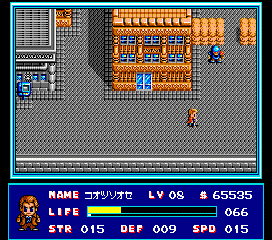
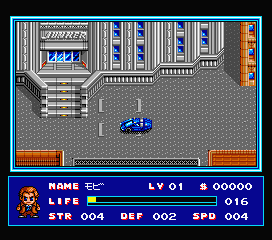
SD Snatcher presents itself as a top-down action RPG, blending exploration with tactical, turn-based battles. You guide Gillian Seed through the neon-lit streets and shadowy back alleys of Neo Kobe, entering buildings to investigate clues, interrogate suspects, and gather intel on the snatcher threat. The world is laid out in interconnected zones, encouraging backtracking and careful observation as you piece together the mystery.
(HEY YOU!! We hope you enjoy! We try not to run ads. So basically, this is a very expensive hobby running this site. Please consider joining us for updates, forums, and more. Network w/ us to make some cash or friends while retro gaming, and you can win some free retro games for posting. Okay, carry on 👍)
Encounters with enemies are visible on the map, allowing you to choose whether to engage or avoid foes. Once contact is made, the game shifts seamlessly into a battle screen where you can select from an arsenal of weapons and target specific parts of the snatcher. Shooting off an enemy’s gun, for instance, reduces its offensive power, while destroying wheels can hamper its mobility. This granular targeting system adds a layer of strategy rarely seen in contemporaneous RPGs.
Progression is handled through “rank points,” earned after each successful skirmish. These points can be allocated across various attributes—speed, defense, accuracy—tailoring Gillian’s strengths to your play style. Weapon proficiency also increases with repeated use, rewarding you for sticking with a personal favorite, whether that be a rapid‐fire handgun or a heavy shotgun for close encounters.
Graphics
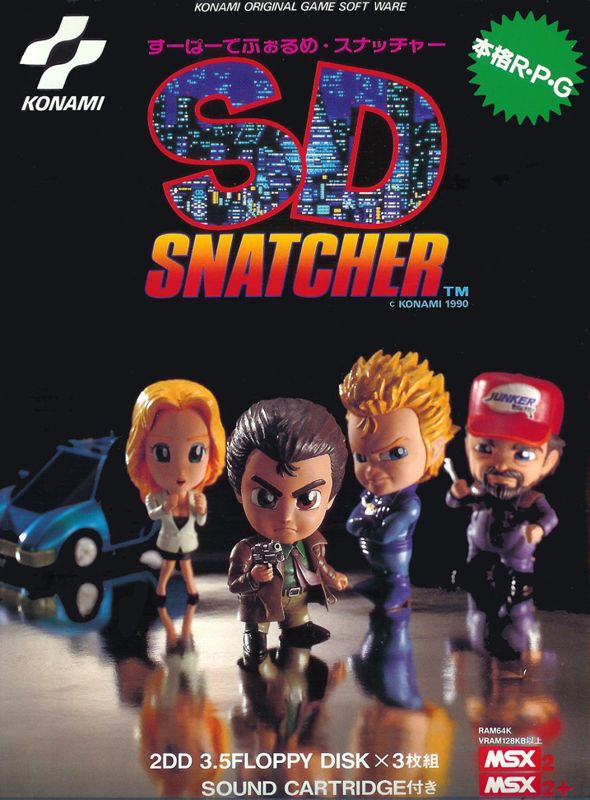
SD Snatcher stands out thanks to its super-deformed (SD) anime aesthetic, a deliberate departure from the more serious and gritty visuals of the original Snatcher. Characters sport oversized heads and exaggerated expressions, lending the narrative moments of lighthearted parody without undercutting the underlying tension. The colorful sprites pop against darker backgrounds, making dialogue scenes feel lively and engaging.
Environment tiles are crisply drawn, with neon signs, futuristic architecture, and detailed interiors that capture the atmosphere of a high-tech metropolis on edge. While the hardware limitations of the era mean you won’t see sweeping 3D vistas or dynamic lighting, the art direction compensates with stylized flourishes—glowing computer panels, animated security cameras, and the occasional rain-soaked street effect.
Animation cycles are smooth and expressive. Enemy snatchers twitch and shift unnaturally, reminding you of their biomechanical nature. Combat animations—recoil from a handgun blast or the sparks flying off a crippled limb—are snappy and convey impact, even within the modest sprite count. Overall, the visual presentation is cohesive and charming, particularly if you appreciate retro anime stylings.
Story
The narrative unfolds in the year 2042, in the sprawling cyberpunk city of Neo Kobe. After a plane crash reveals a strange biomechanical organism, rumors swirl about “snatchers”—robots that mimic and replace humans. These alien machines have infiltrated society, sowing paranoia and fear. Gillian Seed awakens with amnesia, haunted only by the word “snatcher.”
Determined to uncover his past, Gillian enlists in the Junkers, an elite combat unit tasked with hunting down snatchers. Dialogue with fellow agents and informants reveals a web of corporate conspiracies, shadowy experiments, and moral quandaries. Key characters—from the grizzled veteran Walter to the enigmatic Dr. Braun—add depth to the investigation, each with their own secrets and agendas.
Though SD Snatcher borrows its core storyline from the more serious original Snatcher, it embraces a tongue-in-cheek tone. Parodic cutscenes and comedic interludes offset the darker themes of identity and betrayal, creating a balance that feels playful yet respectful. Fans of the source material will appreciate the familiar beats, while newcomers will enjoy a self-contained sci-fi detective yarn filled with twists and dramatic payoffs.
Overall Experience
SD Snatcher delivers a satisfying blend of RPG mechanics and detective adventure. Battles are challenging without becoming tedious, and the strategic targeting system ensures each encounter feels meaningful. Exploration and dialogue intertwine seamlessly, giving the sense that every conversation and corner of Neo Kobe might hold the next clue.
The game’s pacing is thoughtfully designed: story segments unfold at a steady clip, interspersed with character development and side-quests that flesh out the world. While the super-deformed art style signals a lighter tone, the underlying stakes remain high, and the writing often strikes an effective balance between humor and suspense.
Chiptune‐style music and electronic sound effects underscore the cyberpunk atmosphere, from patrolling street beats to tense boss battle themes. The soundtrack may be simple by modern standards, but it complements the visual and narrative style perfectly, enhancing immersion without ever feeling repetitive.
For RPG enthusiasts and cyberpunk aficionados alike, SD Snatcher is a hidden gem. Its unique battle mechanics, charming SD visuals, and engaging storyline make it a worthwhile purchase—especially for those curious about Konami’s classic sci-fi detective saga reimagined through an anime-inspired lens. Whether you’re chasing down snatchers or unraveling Gillian’s past, SD Snatcher offers a compelling and memorable experience.



Reviews
There are no reviews yet.