 Retro Replay Retro Replay gaming reviews, news, emulation, geek stuff and more!


Retro Replay Review
Gameplay
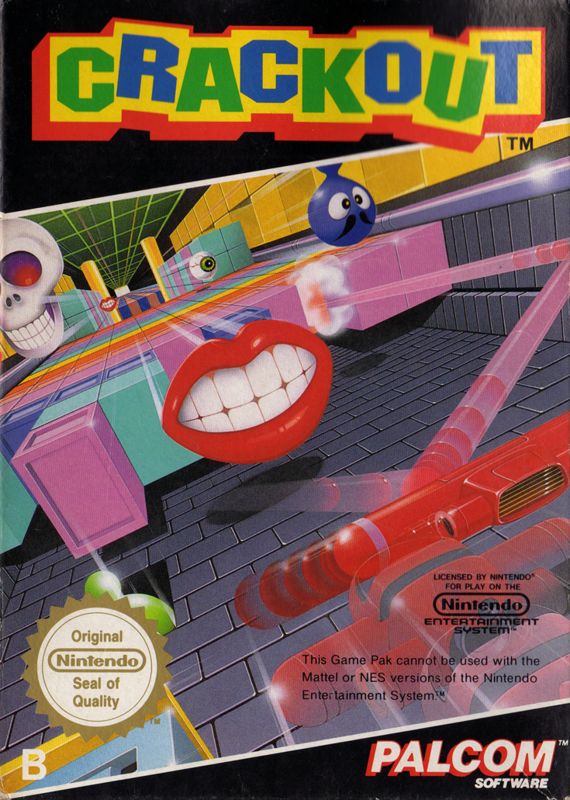
Crackout takes the classic Arkanoid formula and injects it with a generous dose of sci-fi flair. On the surface, you’re guiding a paddle to keep an energy ball in play, systematically chipping away at blocks. But unlike other brick-busting titles, the emphasis here shifts between standard blocks and the very walls that enclose them. Hidden within those walls are the 14 critical code digits you need to save humanity’s flagship, the Red Warrior, from total destruction.
(HEY YOU!! We hope you enjoy! We try not to run ads. So basically, this is a very expensive hobby running this site. Please consider joining us for updates, forums, and more. Network w/ us to make some cash or friends while retro gaming, and you can win some free retro games for posting. Okay, carry on 👍)
The progression feels dynamic thanks to a varied enemy roster. You’ll encounter floating alien eyes, grotesque lips, skeletal fragments, and more, each with its own mischievous movement pattern. These foes not only threaten to deflect your ball in unexpected directions, but they also occasionally release power-ups that can radically alter the playing field. From rockets that blast through clusters of blocks to Konami Man portals leading to secret, nightmarishly difficult chambers, each session constantly surprises.
The level design spans multiple corridors on the mineral-rich planet Selim, with each “sector” presenting unique challenges. Some areas rely on precision angles for ricochets; others demand split-second timing to collect power-ups before they vanish. Boss encounters break up the rhythm, forcing you to use your paddle almost like a shield, deflecting energy blasts while whittling away at each boss’s health bar. This blend of pure reflex play and tactical power-up management keeps every minute tense and engaging.
Graphics
For an early NES release, Crackout’s graphical presentation is impressively varied. The backgrounds shift from sterile computer-room corridors to alien caverns lined with pulsating mineral veins. These environments provide more than just eye candy—they often hint at where code digits might be hidden, encouraging you to break through specific wall segments.
The sprite work, while limited by 8-bit hardware, is surprisingly expressive. Alien enemies sport bold color palettes that contrast sharply with the darker, tech-noir stage backdrops. You’ll notice subtle animation frames when an enemy is damaged or when a power-up appears—a testament to the developers’ attention to detail. Even the paddle and ball boast slight shading that helps them stand out amid the onslaught.
Special effects, like the countdown timer flashing red or the explosion when a boss is defeated, punch above the title’s technical weight class. Power-up activations bring their own visual flair: rockets trail spark effects, frozen enemies encase themselves in ice crystals, and the Konami Man portal shimmers with an otherworldly glow. All these touches coalesce into a presentation that feels polished and purposeful.
Story
Set in the year 30XX, Crackout’s narrative unfolds against a backdrop of interstellar resource scarcity. Humanity has stripped Earth of its metal supplies and ventured to the mineral-rich planet Selim. The initial sense of triumph crumbles when an alien race breaches the Red Warrior’s central computer, triggering a self-destruct sequence.
Your mission is clear: scour the complex’s corridors for 14 hidden digits etched into the walls, input the code, and abort the countdown. Story beats are delivered sparingly via text interludes between stages, but each snippet ramps up the urgency. The disembodied warnings, flickering console readouts, and stutter-step alarms all serve to immerse you in a race-against-time scenario.
While the narrative isn’t a sprawling epic, it provides strong motivation for the core arcade action. Every broken wall and defeated alien feels meaningful—each block shattered brings you closer to saving the crew of the Red Warrior. The story framing elevates Crackout above being “just another Arkanoid clone,” transforming every level into a high-stakes scavenger hunt through a hostile, alien-infested complex.
Overall Experience
Crackout manages to stand out in a crowded brick-busting genre by weaving together tight mechanics, inventive level design, and a compelling sci-fi narrative. The constant threat of self-destruct, paired with the racing quest for code digits, yields a palpable tension that few contemporaries can match. Fans of precision paddle work will appreciate how every angle matters, while those who relish power-up mayhem will love the constant surprises.
The learning curve is well-paced: early stages ease you into the basics of wall-breaking and paddle control, while later corridors throw faster enemies, trickier layouts, and boss fights at you in quick succession. Replay value is high, especially if you’re determined to unearth every secret area or master the Konami Man challenge levels. Even without an online leaderboard, personal bests on stage completion times offer a satisfying metric for improvement.
In the context of NES classics, Crackout is a hidden gem that delivers more than nostalgia—it offers a fresh twist on beloved gameplay with a dash of interplanetary intrigue. Whether you’re a retro collector or a newcomer curious about early brick-breaker evolution, Crackout provides a rewarding, action-packed journey that feels remarkably modern despite its 8-bit roots.


Reviews
There are no reviews yet.