 Retro Replay Retro Replay gaming reviews, news, emulation, geek stuff and more!

Retro Replay Review
Gameplay
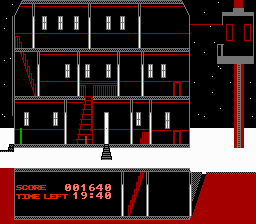
Home Alone delivers a straightforward yet surprisingly engaging side-scrolling experience that captures the mischievous fun of Kevin McAllister’s booby‐trap adventures. Players take control of Kevin as he scampers through rooms, hallways, and hidden passages of his family’s house, collecting trap icons and strategically placing them in the path of the bumbling Wet Bandits. The core loop of gather, set, and evade creates a satisfying rhythm that keeps each level feeling fresh, even when the same basic mechanics are reused.
(HEY YOU!! We hope you enjoy! We try not to run ads. So basically, this is a very expensive hobby running this site. Please consider joining us for updates, forums, and more. Network w/ us to make some cash or friends while retro gaming, and you can win some free retro games for posting. Okay, carry on 👍)
One of the standout features is the diverse array of trap icons. Classic items like paint cans, sleds, and micro machines each have unique effects on Harry and Marv, forcing players to think on their feet. Do you drop the paint can for a quick stun or risk placing an iron trap that triggers a longer recovery animation? These small decisions add depth, and discovering creative combos—such as chaining paint cans into a hallway—provides a genuine sense of triumph.
Controls are tight and responsive, allowing Kevin to dash in either direction, jump over small obstacles, and deploy traps with a simple button press. While the basic move set remains accessible for younger players, the level design ramps up the challenge by introducing traps that can backfire if placed improperly. There’s also a score meter tied to the precision and timing of your traps, encouraging repeat playthroughs for high‐score chasers who want to master every deadly setup.
Replayability is boosted by optional objectives such as “stun both burglars within five seconds” or “set three traps in one room,” which unlock bonus challenge levels. These objectives introduce a risk‐vs‐reward element that will appeal to completionists. Even after the main story mode wraps up, players can dive back into individual rooms to perfect their tactics or compete against friends for the highest score.
Graphics
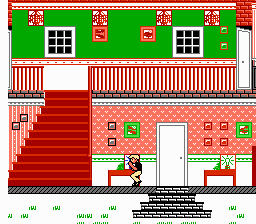
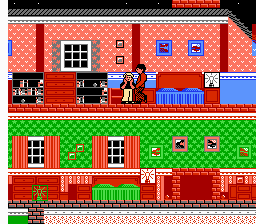
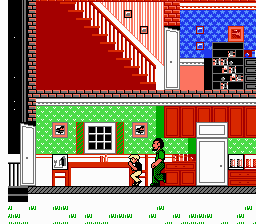
Visually, Home Alone opts for a charming, cartoonish style that feels right at home in a holiday‐themed video game. The backgrounds showcase festive decorations—twinkling lights, Christmas trees, and strewn‐about wrapping paper—that bring the McAllister residence to life. Each room has its own color palette and distinctive props, making exploration a visually rewarding experience.
Character sprites are crisp and expressive, capturing Kevin’s cheeky grin and the Wet Bandits’ comical pain animations. When a trap is sprung, the exaggerated “boing” effects and ragdoll flails add to the game’s slapstick charm. The animations are smooth and well‐tuned, and there’s enough visual feedback—like dust clouds or dangling icicles—to make each successful trap deployment feel impactful.
Lighting and particle effects subtly enhance the holiday atmosphere without overwhelming the action. Soft glows from lamps and the occasional firework in the night sky beyond the windows help maintain a cozy yet mischievous mood. While not pushing cutting‐edge realism, the graphical presentation is cohesive, polished, and perfectly suited to the game’s playful tone.
Story
Home Alone’s narrative closely follows the beloved 1990 film, delivering a condensed retelling through brief cutscenes and in‐game dialogue bubbles. The opening scene sets the stage by showing the family’s chaotic departure and Kevin’s triumphant realization that he’s alone. From there, the focus shifts entirely to his battle of wits against Harry and Marv, with minimal interruption.
Although the game doesn’t offer an extensive cinematic experience, it punctuates key moments—like the Wet Bandits’ first break‐in or Kevin’s discovery of new trap items—with charming illustrations and snippets of voiceover. These vignettes provide enough narrative context to keep players invested without slowing down the core gameplay. Fans of the film will appreciate subtle references, such as Kevin’s pizza order late at night or his enthusiastic victory dance when the burglars are carted off by the police.
The storytelling is light by design, focusing on replayable trap‐setting action rather than a deep, chosen‐path adventure. There’s little character development beyond Kevin’s resourcefulness and the burglars’ perpetual clumsiness. Yet this simplicity works in the game’s favor, allowing players to immerse themselves in the festive mayhem without distraction.
Overall Experience
Home Alone offers a delightful blend of nostalgic charm and pick‐up‐and‐play gameplay that will appeal to both longtime fans of the film and newcomers seeking a lighthearted holiday diversion. Its accessible mechanics, coupled with hidden challenges and score‐based objectives, ensure that casual players and hardcore enthusiasts alike can find reasons to return to Kevin’s house night after night.
The game’s pacing strikes a fine balance—levels are short enough to complete in just a few minutes, yet the optional goals provide layers of depth for those who crave mastery. Party or family play is also supported through local leaderboards, making Home Alone an ideal festive party game where loved ones can compete to top the charts.
While the lack of a sprawling narrative or advanced multiplayer modes might be a drawback for gamers seeking epic length or competitive depth, Home Alone nails its core premise: transforming a beloved holiday movie into an entertaining interactive experience. For anyone looking to revisit the magic of the McAllister household, set ingenious traps, and laugh at the ensuing chaos, this game checks all the boxes for a memorable Christmas treat.


Reviews
There are no reviews yet.