 Retro Replay Retro Replay gaming reviews, news, emulation, geek stuff and more!


Retro Replay Review
Gameplay
Little Nemo: The Dream Master offers a classic side-scrolling experience that feels both familiar and refreshingly inventive. As Nemo, you traverse a variety of dream-inspired landscapes, from the spindly spires of the Mushroom Forest to the smoky carriages of Train Land. Your primary tool, a seemingly innocuous sack of candy, serves multiple purposes: stunning foes, unlocking new pathways, and coaxing friendly creatures into assisting your progression.
(HEY YOU!! We hope you enjoy! We try not to run ads. So basically, this is a very expensive hobby running this site. Please consider joining us for updates, forums, and more. Network w/ us to make some cash or friends while retro gaming, and you can win some free retro games for posting. Okay, carry on 👍)
The game’s standout mechanic lies in its creature-switching system. By feeding animals like moles, apes, and fish the right candy, you temporarily gain their unique abilities, whether digging through earth, climbing walls, or swimming underwater. This clever twist adds layers of strategy, as certain obstacles demand the precise creature power-up to overcome. Timing candy throws and learning enemy patterns becomes an addictive loop that rewards experimentation and careful planning.
Platforming challenges ramp up steadily, striking a satisfying balance between accessibility and skill-based precision. While the early stages serve as an ideal tutorial, later levels introduce moving platforms, disappearing floors, and environmental hazards that keep the action engaging. Boss encounters, including memorable showdowns with Prince of Nightmares’ minions, put your mastery of candy power-ups to the test, ensuring each victory feels hard-earned and rewarding.
Overall, the gameplay in Little Nemo: The Dream Master is a delightful fusion of traditional jump-and-run mechanics and inventive creature transformations. Its moderate difficulty curve invites both novice players and seasoned platformer veterans to dive into the dreamscape without feeling overwhelmed. The result is a game that retains its charm decades after release, thanks to its imaginative level design and playful mechanics.
Graphics
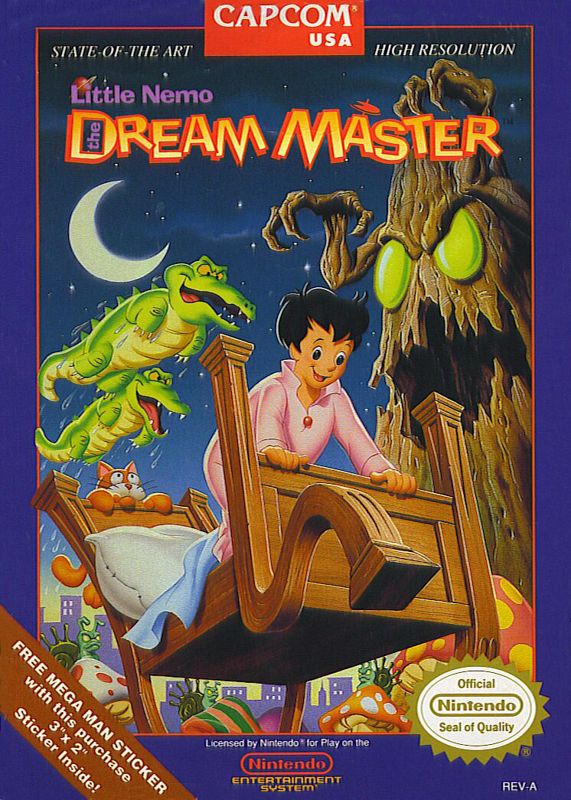
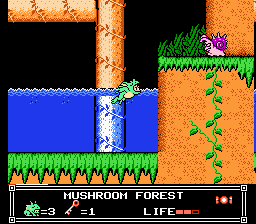
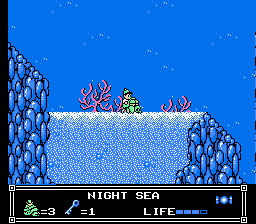
Visually, Little Nemo: The Dream Master captures the whimsical essence of the original comic strip with vibrant, hand-drawn backgrounds and fluid character sprites. Each level boasts a distinct color palette that reflects its theme—lush greens and browns in forest stages, moody purples and blues in nightmare-themed areas—making every environment feel unique and memorable. The attention to detail in background elements, from swaying mushrooms to billowing steam on the train, enhances the sense of immersion.
Character animations are surprisingly expressive for an 8-bit platformer. Nemo’s jaunty walk cycle, wide-eyed idle poses, and exuberant jump animations all bring personality to the hero. Likewise, the supporting creatures exhibit charming motions: moles scuttle with twitchy paws, apes pound their chests with gusto, and fish wiggle through underwater passages with believable fluidity. These small touches elevate the overall presentation and reinforce the dreamlike tone of the game.
Despite hardware limitations of its era, the game maintains a consistent frame rate, ensuring smooth gameplay even when multiple on-screen elements are active. Sprite flicker is minimal, and color clashes are kept to a bare minimum, demonstrating careful optimization by the developers. Loading transitions between stages are handled cleanly, with brief interstitial screens that maintain narrative flow without jarring the player out of the dream world.
In summary, the graphics of Little Nemo: The Dream Master stand as a testament to the creativity possible on early gaming hardware. By faithfully adapting the comic’s aesthetic and injecting it with dynamic animations, the game delivers a visual charm that continues to delight players and serves as a perfect complement to its imaginative level designs.
Story
Drawing inspiration from the turn-of-the-century comic strip, Little Nemo: The Dream Master weaves a simple yet engaging narrative that fits perfectly within a platformer’s framework. As Nemo—a young boy whisked away from London—you are summoned by Princess Camille to rescue King Morpheus, the benevolent ruler of Slumberland. When the nefarious Prince of Nightmares kidnaps the king, the fate of dreams hinges on your ability to navigate perilous realms and restore peace.
While the storyline unfolds with minimal exposition, in-game cutscenes and title cards supply just enough context to keep players invested. Princess Camille’s earnest pleas and occasional guidance provide a sense of urgency, while each new region introduces bit of lore about Slumberland’s diverse inhabitants. This streamlined narrative approach ensures that players spend more time immersed in action than being bogged down by lengthy dialogue.
The game also nods to its comic origins through cameo appearances of well-known characters and recurring motifs, such as moon-faced guardians and whimsical contraptions. These tie-ins create nostalgia for fans of Winsor McCay’s work, while newcomers appreciate the enchanting worldbuilding on its own merits. Though not overly complex, the story effectively motivates progression and injects personality into otherwise straightforward platforming challenges.
Ultimately, the narrative of Little Nemo: The Dream Master strikes an ideal balance between simplicity and charm. It offers enough context to give meaning to your dreamland journey without overshadowing the core platforming experience. The result is a story that feels timeless, inviting players of all ages to become heroes of their own dreams.
Overall Experience
Combining inventive gameplay, charming visuals, and a delightful narrative, Little Nemo: The Dream Master remains a standout title in the pantheon of classic platformers. Its blend of candy-fueled mechanics and creature transformations keeps each level feeling fresh, while the steady difficulty curve ensures accessibility for newcomers and veterans alike. Whether you’re tackling hidden secrets in Mushroom Forest or braving the spectral halls of Nightmarish Castle, the game consistently offers satisfying challenges.
The dreamlike aesthetics and faithful homage to its comic strip roots lend the title a unique identity that helps it age gracefully. Even decades after its original release, players will find themselves enchanted by the colorful backdrops, expressive animations, and cheerful soundtrack. The game’s design demonstrates a clear passion for storytelling through gameplay, as every element feels thoughtfully crafted to reinforce the fantasy setting.
While modern gamers may find some aspects—such as limited lives and occasional trial-and-error segments—a bit dated, the core experience holds up thanks to its strong level design and standout mechanics. Replay value is high, with secret rooms, alternate routes, and hidden power-ups encouraging thorough exploration. Completing the game under time constraints or without losing lives presents an added challenge for those seeking to test their platforming prowess.
In sum, Little Nemo: The Dream Master offers an enchanting journey through a vividly realized dreamland. Its inventive use of candy power-ups, memorable graphics, and lighthearted story make it a must-play for fans of retro platformers and whimsical adventures. For anyone seeking a game that captures the wonder of childhood dreams, this timeless classic delivers an experience that is both nostalgic and thoroughly entertaining.


Reviews
There are no reviews yet.