 Retro Replay Retro Replay gaming reviews, news, emulation, geek stuff and more!
Retro Replay Review
Gameplay
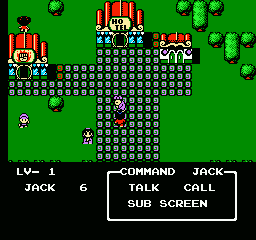
Little Ninja Brothers marks a significant evolution in the Super Chinese series by blending action-packed combat with traditional role-playing elements. Players guide either Jack or Ryu across an overhead world map, engaging in random monster encounters that can be approached tactically—either by fleeing or facing foes head-on. The transition from exploration to battle is seamless, retaining the real-time movement dynamics of its predecessor while introducing experience points and currency as progression systems.
(HEY YOU!! We hope you enjoy! We try not to run ads. So basically, this is a very expensive hobby running this site. Please consider joining us for updates, forums, and more. Network w/ us to make some cash or friends while retro gaming, and you can win some free retro games for posting. Okay, carry on 👍)
When combat ensues, Jack and Ryu can punch or execute somersault jumps to whittle down enemy health bars, just as they did in the original Kung-Fu Heroes-style bouts. Power-ups discovered mid-battle—ranging from health-restoring items to attack-boosting orbs—add a layer of strategic depth. Since Jack and Ryu share experience, neither outpaces the other, making two-player drop-in support balanced and cooperative throughout the journey.
Boss fights shake up the formula with a traditional turn-based interface: players select attacks, special martial arts techniques, or consumable items before watching their choices play out. This switch creates pacing variety, giving players a moment to plan tactics against formidable Yoma lieutenants and Blu Boltar himself. The option to equip throwing stars, swords, or projectile arts further diversifies each encounter.
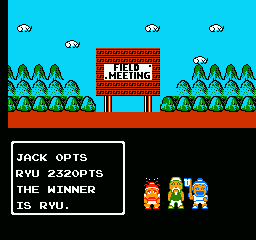
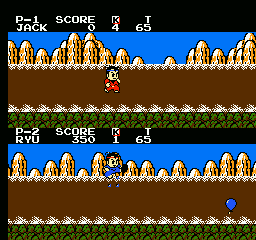
Beyond combat, Little Ninja Brothers offers a Field Meeting Mode—mini-games themed around foot races, obstacle courses, and target shooting—that provide lighthearted relief between story missions. These events reward speed, accuracy, and puzzle-solving skills, ensuring the adventure never feels monotonous. Overall, the gameplay loop’s blend of exploration, real-time skirmishes, turn-based strategy, and competitive mini-games creates a robust and engaging experience for solo or cooperative play.
Graphics
For its era, Little Ninja Brothers delivers vibrant, detailed pixel art that breathes life into Chinaland’s varied environments. Verdant forests, bustling villages, and ominous Yoma fortresses each boast distinct color palettes and tile sets, making travel feel fresh from start to finish. Sprites for Jack and Ryu are animated with fluid punches and jumps, capturing the nimble essence of ninja combat.
Enemy designs are equally memorable: from cyclopean rock monsters to shadowy clan assassins, each adversary features unique attack animations and visual cues that telegraph their next move. Boss sprites tower over standard foes, emphasizing scale and threat. Background parallax effects—such as drifting clouds over Mt. Epin or flickering lanterns in town—add depth without overburdening the hardware.
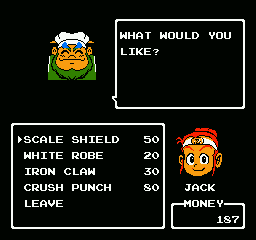
User interface elements are crisp and functional. Health bars, experience gauges, and Sen counters are clearly displayed, allowing players to monitor resources at a glance. The transition into turn-based battles introduces clean command menus that maintain readability even during the most intense encounters. The visual feedback for successful hits, critical strikes, and power-up activations further enhances clarity.
Field Meeting Mode mini-games showcase playful animations, like balloons popping with a satisfying “pop” effect or targets shattering under a well-aimed throw. These graphical flourishes, though modest by modern standards, reinforce the lighthearted tone of the side challenges. Altogether, the game’s presentation strikes a balance between functional clarity and colorful charm.
Story
The narrative thrust of Little Ninja Brothers centers on Blu Boltar, self-proclaimed lord of the Yoma clan, whose audacious invasion of Chinaland culminates in the Emperor’s capture. His nationwide broadcast sets the stakes high: if Boltar’s rule isn’t overturned, Chinaland will kneel under Yoma tyranny. This simple yet compelling premise propels Jack and Ryu from their Mt. Epin dojo into a quest to liberate their homeland.
Jack and Ryu’s mentor imparts stoic wisdom before dispatching them on their mission, framing the brothers as dutiful guardians of cultural legacy. As they traverse towns, rescue villagers, and gather intel from friendly NPCs, the story expands through brief but effective dialogue. Helpful townsfolk reveal hidden passages, while wandering sages hint at Blu Boltar’s vulnerabilities, weaving world-building into exploration seamlessly.
Villain encounters punctuate the plot with escalating tension. Minor Yoma captains guard key strongholds, each battle unveiling more of Boltar’s machinations. Character moments—such as Jack offering to shoulder blame for a town’s woes, or Ryu’s cautious optimism when recruiting allies—flesh out the protagonists beyond their ninja archetypes. By the final showdown, players feel invested in seeing both the Emperor’s rescue and the brothers’ personal triumph.
Though the storyline doesn’t indulge in elaborate twists, its directness suits the game’s arcade roots. The balance of action, occasional humor in mini-games, and earnest narrative beats keeps momentum brisk. For gamers craving a quintessential ‘80s-era RPG tale of good versus evil, Little Ninja Brothers delivers a concise and rewarding journey.
Overall Experience
Little Ninja Brothers stands as a testament to creative genre fusion—melding beat ’em up thrills with RPG progression in a way that still resonates decades later. Its accessible controls, cooperative second-player drop-in, and balanced difficulty curve make it a welcoming entry point for newcomers, while veteran players will appreciate the depth provided by turn-based boss fights and equipment management.
The game’s pacing strikes a near-perfect chord: short chunks of overhead exploration lead to engaging skirmishes, and occasional mini-game breaks prevent any sense of fatigue. Whether you’re a solo adventurer or partnering with a friend, the shared experience points system ensures neither character ever feels underpowered, preserving camaraderie throughout the quest.
While modern audiences might note the absence of voice acting or fully animated cutscenes, the timeless pixel art, catchy chiptune soundtrack, and straightforward storytelling more than compensate. The nimble movement and responsive attack inputs remain satisfying, and discovering new weapons or mastering special martial arts techniques continues to bring delight.
Ultimately, Little Ninja Brothers offers a charming, well-rounded experience that blends action and RPG tropes with ninja flair. Its approachable design and varied gameplay modes deliver lasting appeal for retro enthusiasts and curious gamers alike. If you seek a bite-sized but comprehensive adventure through a whimsical version of Chinaland, this title remains a worthy pick from Nintendo’s golden age.



Reviews
There are no reviews yet.