 Retro Replay Retro Replay gaming reviews, news, emulation, geek stuff and more!



Retro Replay Review
Gameplay
Wario’s Woods offers a refreshing twist on the falling‐block puzzle genre by putting you in direct control of Toad rather than the pieces themselves. Instead of rotating and dropping blocks, you must carry stacks of monsters and bombs, positioning them strategically to clear the playfield. This layer of character movement and object manipulation creates a more active, fast-paced experience compared to traditional titles like Tetris or Columns.
(HEY YOU!! We hope you enjoy! We try not to run ads. So basically, this is a very expensive hobby running this site. Please consider joining us for updates, forums, and more. Network w/ us to make some cash or friends while retro gaming, and you can win some free retro games for posting. Okay, carry on 👍)
The control scheme is surprisingly versatile. On the SNES, the A button lets Toad grab an entire stack, while B picks up a single object from anywhere in that stack. You can even kick unwanted pieces with Y or use X to swap Toad into the carried stack, allowing you to reach otherwise inaccessible objects. Mastering these moves—running up walls and catching items mid-air—adds depth and skill to each session.
Replay value comes from five distinct modes: the single-player “Round Game,” computer versus matches, two-player competitive play, a “Time Race,” and an extensive training mode. Each mode tailors the challenge, whether you’re racing the clock, outsmarting AI foes, or sparring with a friend. On the NES, the modes are pared down (no AI versus), but the core mechanics and the boss-fight structure in the “Round Game” still deliver plenty of variety and progression.
Graphics
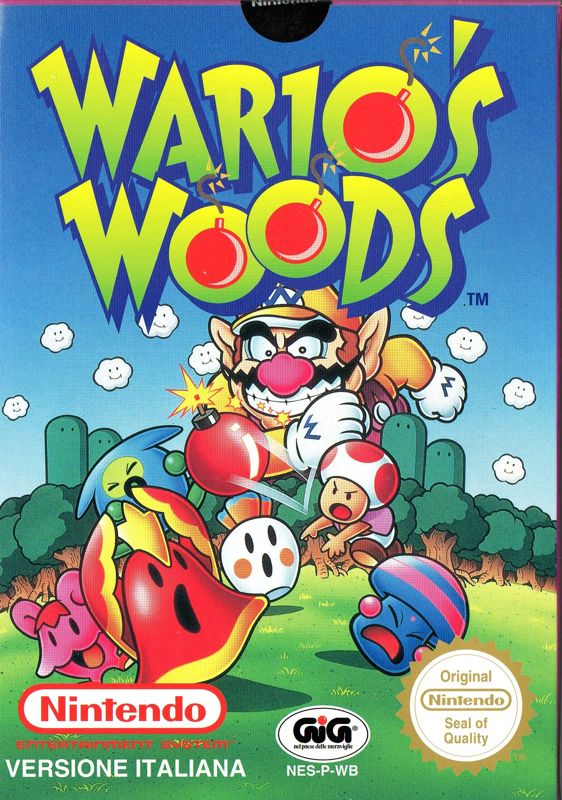
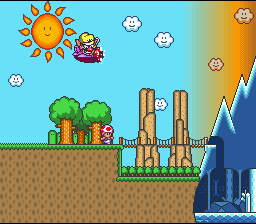
Visually, Wario’s Woods is bright, colorful, and packed with personality. The SNES version shows off smooth animations for Toad, monsters, and bombs. Vibrant backgrounds and clear color-coding of pieces help you identify combos in a glance, which is critical when the action speeds up. The diamond effect, triggered by clearing five or more objects, pops with a satisfying sparkle that rewards your effort.
The NES port, while more limited in palette and resolution, still captures the essence of the game. Sprites are slightly chunkier, and backgrounds cycle through fewer colors, but monster designs remain charming. The simpler visuals actually enhance readability on older hardware, keeping gameplay smooth even when screens fill with hazards.
Both versions maintain a clean interface. Score, level, and upcoming objects are displayed unobtrusively around the playfield, letting you stay focused on stacking combos. Subtle sound cues and animations—like Toad’s cheer when you clear a big combo—add atmosphere without interrupting the puzzle flow.
Story
At its core, Wario’s Woods is light on narrative, but it frames its puzzle action within a playful premise: Wario has kidnapped woodland creatures, and it’s up to Toad to restore order. This setup gives you a familiar face to guide as you progress through increasingly challenging levels. While you won’t find deep plot twists, the storybook presentation and boss encounters at the end of each stage add enough context to keep you invested.
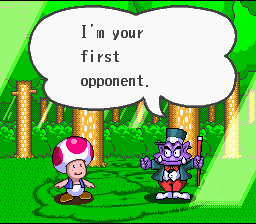
Boss fights in the “Round Game” mode introduce simple but memorable antagonists—each stage’s end-level creature requires unique stacking strategies to defeat. This variety breaks up the standard clearing gameplay and injects a sense of purpose beyond racking up a high score.
The absence of a sprawling storyline works in the game’s favor: it keeps the focus squarely on the puzzle mechanics. Cutscenes and character art are used sparingly, making each moment of story serve a clear purpose, whether to reward you for progress or to set up the next creative challenge.
Overall Experience
Wario’s Woods strikes a fine balance between approachability and depth. Beginners will appreciate the clear objectives and gradual difficulty curve, while puzzle veterans will find plenty of room to hone advanced techniques—especially when pursuing diamonds and chaining mass clears. The responsive controls and lively pacing make each session feel satisfying.
The multiplayer offerings (particularly the two-player mode) extend longevity by creating head-to-head puzzle battles that can become fiercely competitive. Even without a dedicated computer versus mode on NES, the core challenge of clearing lines against the clock remains compelling.
Ultimately, Wario’s Woods remains a standout entry in Nintendo’s puzzle catalog. Its unique control paradigm, charming presentation, and varied game modes deliver a well-rounded package that’s easy to pick up but hard to master. Whether you’re on SNES or NES, Toad’s quest to clear Wario’s creature-filled lair is a delightful experience for puzzle fans of all ages.



Reviews
There are no reviews yet.