 Retro Replay Retro Replay gaming reviews, news, emulation, geek stuff and more!

Retro Replay Review
Gameplay
The Legend of Zelda: A Link to the Past masterfully blends fast-paced action with thoughtful puzzle-solving, creating a gameplay loop that remains compelling decades after its original release. Players step into Link’s boots, wielding his sword and shield to dispatch foes in real time, while also learning how to charge up stronger attacks. This balance between simple combat mechanics and deeper strategic options ensures each encounter feels satisfying without ever growing stale.
(HEY YOU!! We hope you enjoy! We try not to run ads. So basically, this is a very expensive hobby running this site. Please consider joining us for updates, forums, and more. Network w/ us to make some cash or friends while retro gaming, and you can win some free retro games for posting. Okay, carry on 👍)
Progression is deeply tied to the unique dungeon items—such as the hookshot, Pegasus Boots, and the powerful hammer—which not only grant new combat abilities but also open up previously inaccessible areas. Each dungeon is cleverly designed around its signature tool, forcing you to think creatively about how to use your newfound powers. Whether you’re extending your reach with the hookshot or flattening obstacles with the hammer, the sense of discovery and empowerment with every item is a highlight.
Link’s journey between the Light World and the Dark World introduces an extra layer of complexity, as environments shift, new paths appear, and familiar locations conceal hidden secrets. This dimensional travel never feels gimmicky; instead, it provides fresh puzzles and challenges that encourage careful observation and experimentation. The pacing of dungeon exploration, item acquisition, and world traversal forms a well-oiled machine that keeps you motivated to push on through to the end.
Graphics
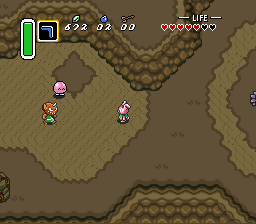
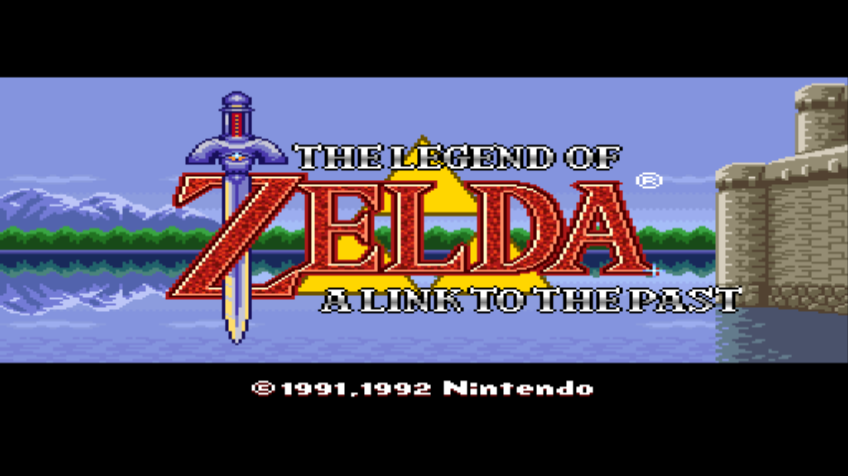
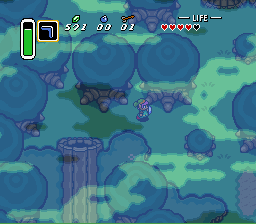
On the Super Nintendo Entertainment System, A Link to the Past set a new standard for 16-bit graphics, showcasing vibrant colors, sharp sprites, and detailed environmental art. The rolling green fields of Hyrule, the haunting corridors of dungeons, and the brooding architecture of the Dark World each possess a distinct visual identity, making every segment of the game instantly recognizable and richly atmospheric.
Despite hardware limitations, the art team’s use of color palettes and sprite design conveys a breadth of emotion and tone—from the whimsical villages of the Light World to the ominous, lava-filled halls of Agahnim’s stronghold. Sprite animations are fluid and expressive, whether it’s Link’s agile roll dodge or the bounding gait of an enemy. These small touches imbue the world with a living feel that remains charming even in contemporary contexts.
On top of the handcrafted pixel art, the game incorporates visual cues that tie directly into gameplay, like color-coded doors and glowing chests that beckon exploration. Environmental details also play a role in puzzle solving—water currents, switch-activated gates, and hidden cracks in walls all leap off the screen, directing your attention and inviting interaction. The graphical presentation not only delights the eyes but serves the gameplay in seamless harmony.
Story
Set against a backdrop of famine and drought, The Legend of Zelda: A Link to the Past weaves a classic hero’s journey as Link rises from humble beginnings to oppose the sinister wizard Agahnim. Agahnim’s mysterious arrival and sudden curbing of the land’s suffering soon become overshadowed by rumors of his true intentions—rumors that come to a head when Princess Zelda’s telepathic plea for rescue pierces the night.
From there, the narrative unfolds through a series of daring rescues, dungeon conquests, and dimension-spanning revelations. Each quest to save one of the imprisoned maidens, retrieve a magical pendulum, or reclaim a stolen heart container pushes the story forward while grounding it in tangible stakes. The introduction of the Dark World adds an unexpected twist, revealing a twisted mirror of Hyrule’s familiar locales and hinting at deeper, darker forces at play.
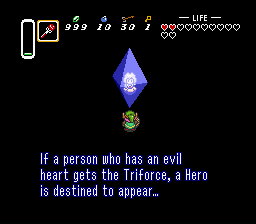
While the plot adheres to the straightforward good-versus-evil template, it shines through in the details: the interplay of prophetic dreams, the gradual unveiling of Ganon’s backstory, and the simple yet evocative dialogue. The story rarely feels rushed or padded; every dungeon victory and item discovery merges organically with Link’s overarching quest to restore peace and balance to the kingdom.
Overall Experience
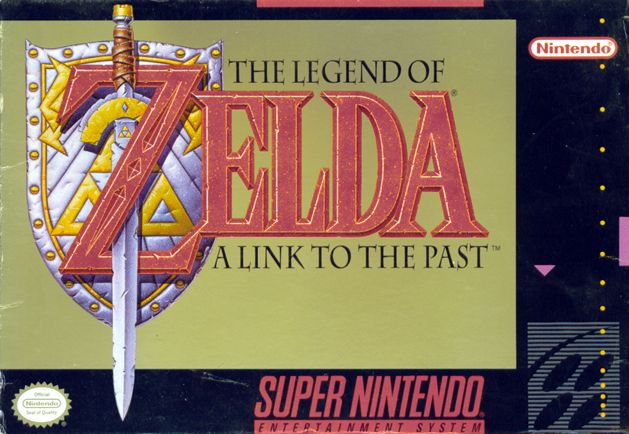
The Legend of Zelda: A Link to the Past stands as a timeless exemplar of game design. Its seamless fusion of action, exploration, and puzzle-driven progression has influenced countless titles over the years, yet it remains eminently playable today. Whether you’re a longtime series fan revisiting Hyrule or a newcomer curious about gaming’s past, the adventure feels as fresh and rewarding now as it did on its 16-bit debut.
Replay value is exceptionally high—between seeking out every Heart Container, mastering magic-using items, and unearthing every secret passage, you’ll find ample motivation to re-explore every nook and cranny. The game’s open feel encourages experimentation: you can tackle certain dungeons in varied orders, discover shortcuts, or even uncover hidden Easter eggs that veteran players still talk about.
Ultimately, A Link to the Past delivers an experience that transcends its era. Its tight controls, richly crafted world, and engrossing blend of combat and puzzles combine into an adventure that feels complete and endlessly charming. For anyone seeking a benchmark in action-adventure gaming, this is one journey through Hyrule that you simply can’t miss.


Reviews
There are no reviews yet.