 Retro Replay Retro Gaming History, Reviews & Emulation

Retro Replay Review
Gameplay
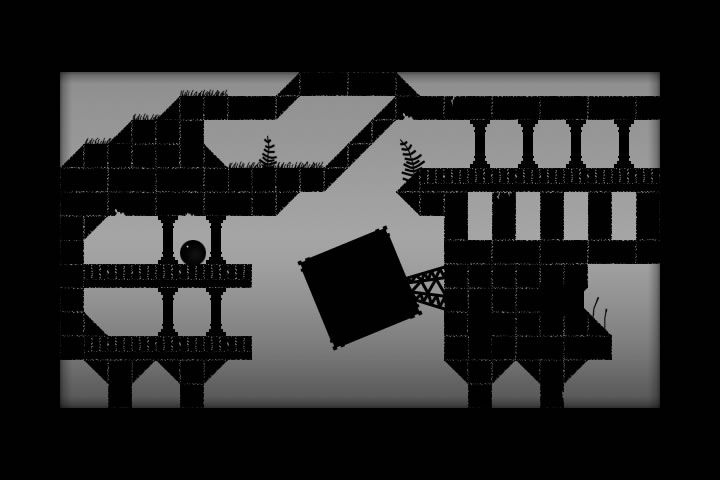
The first hour of NightSky feels wonderfully direct. You roll a ball left and right, judge its speed, and start figuring out how to clear a gap or carry enough momentum up a ramp. There are no enemies rushing you and no combat to interrupt the thought process. That leaves room for the satisfying little discoveries: maybe the answer is to slow down before a jump, maybe it is to commit to a faster run, or maybe the terrain is asking you to see the route from a different angle.
Its best puzzles turn basic movement into small physical problems. You may need to ride a cart, work around a windmill, or use pinball-like flippers to reach a higher ledge. The red power is especially useful when the game asks for finesse, letting you brake sharply and cling slightly to surfaces. Blue is the more exhilarating counterpart, adding the speed needed for steep slopes and wider jumps; when it reverses gravity and your controls with it, familiar movement suddenly needs to be relearned.
The gradual escalation is smart, though the game can be stubborn when a solution is unclear. Some obstacles are easy to misread, and longer challenges can stretch across several screens without saving until the whole section is complete. Failing near the end of one of those runs can sting. You can reset the environment, which helps when a puzzle has gone wrong, but patience is part of the deal.
Normal is the sensible choice if you want to enjoy the journey and its lighter puzzle demands. Alternative uses largely the same levels but strips back guidance and asks for more exact control and more serious puzzle-solving. It is a meaningful option rather than a hollow difficulty bump, but it can expose every small mistake. Start on Normal unless the prospect of wrestling with a cryptic physics room sounds relaxing.
Graphics
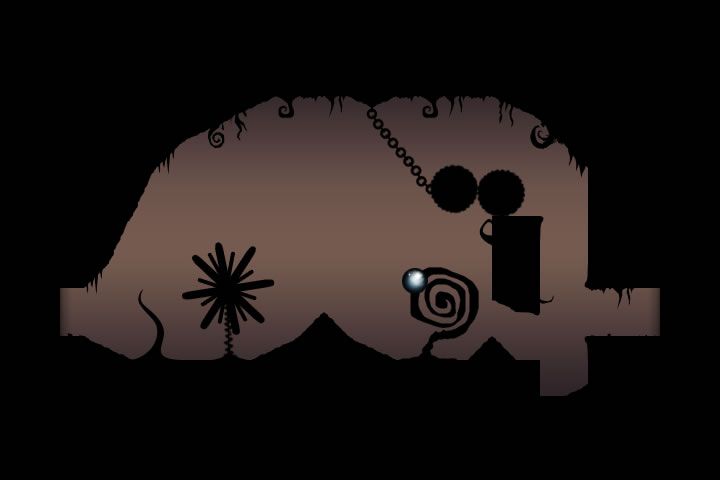
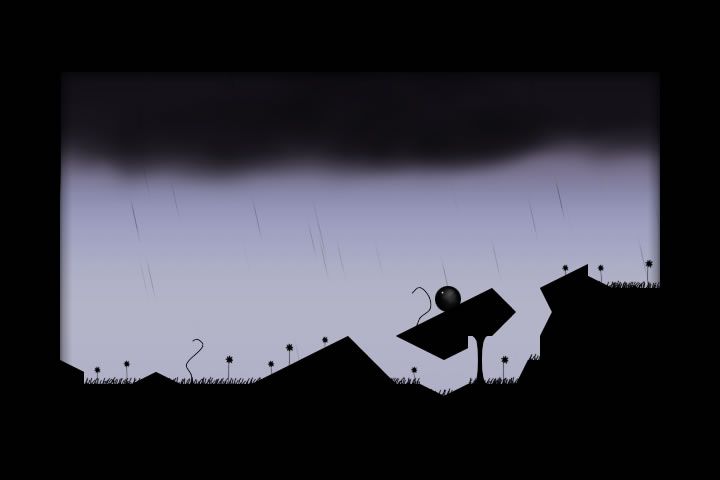
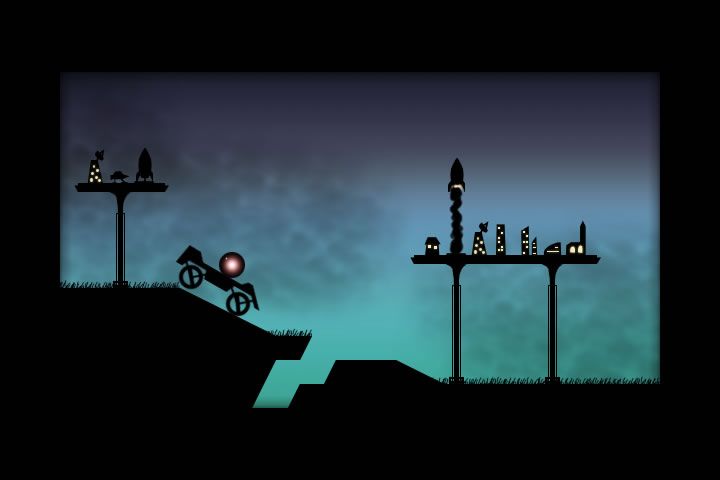
The game’s surreal dream worlds are built around a small glowing ball, with its red and blue states clearly marking the powers currently in use. That simple focal point suits the side-view stages: you are always watching the ball’s path, its speed, and the ramps, gaps, carts, and other hazards immediately around it.
Story
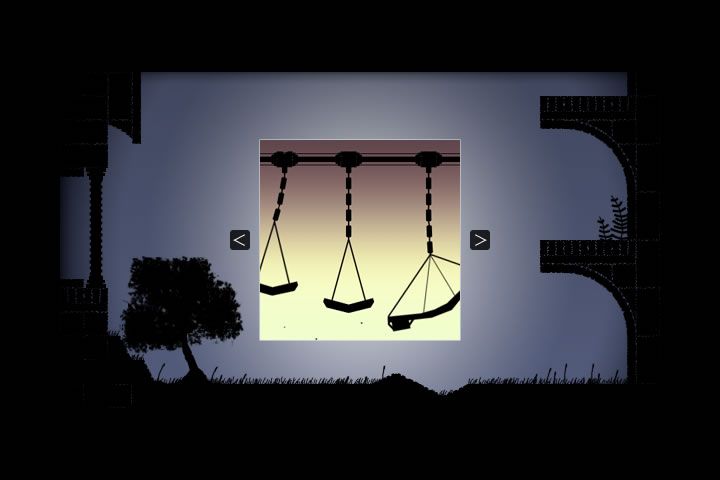
The story is deliberately slight: a boy finds a glowing sphere on the beach, takes it home, and begins having strange dreams. You play through those dreams as the sphere rather than following a conventional plot with characters and conversations.
That thin setup works because it gives the eleven worlds permission to be odd without repeatedly stopping to explain them. The changing environments feel like dream spaces connected by mood and motion, not chapters in a detailed narrative.
Do not come in expecting a mystery to unpack or a dramatic payoff. The story is more of a frame for the atmosphere, and the real sense of progress comes from mastering each new twist on the ball’s movement.
Overall Experience
NightSky is at its strongest when you settle into its calm rhythm: roll forward, assess the next obstacle, fail once or twice, then make the clean attempt that finally carries you to the next screen. It finds tension without violence, and it makes a humble rolling-ball control scheme surprisingly versatile.
The linear structure keeps the game focused. You are not wandering aimlessly through a huge world; each section presents a specific challenge and moves you onward once you solve it. That focus makes the changing themes and new physical ideas feel purposeful, even when a particular puzzle briefly holds you up.
The payoff is worth it if you like precise, quiet puzzle-platformers and can tolerate occasional friction from unclear solutions and multi-screen checkpoints. It is less suited to anyone who needs constant action or quick recovery after every mistake. For the right mood, though, it is a memorable little dream of momentum, gravity, and persistence.



Reviews
There are no reviews yet.