 Retro Replay Retro Replay gaming reviews, news, emulation, geek stuff and more!

Retro Replay Review
Gameplay
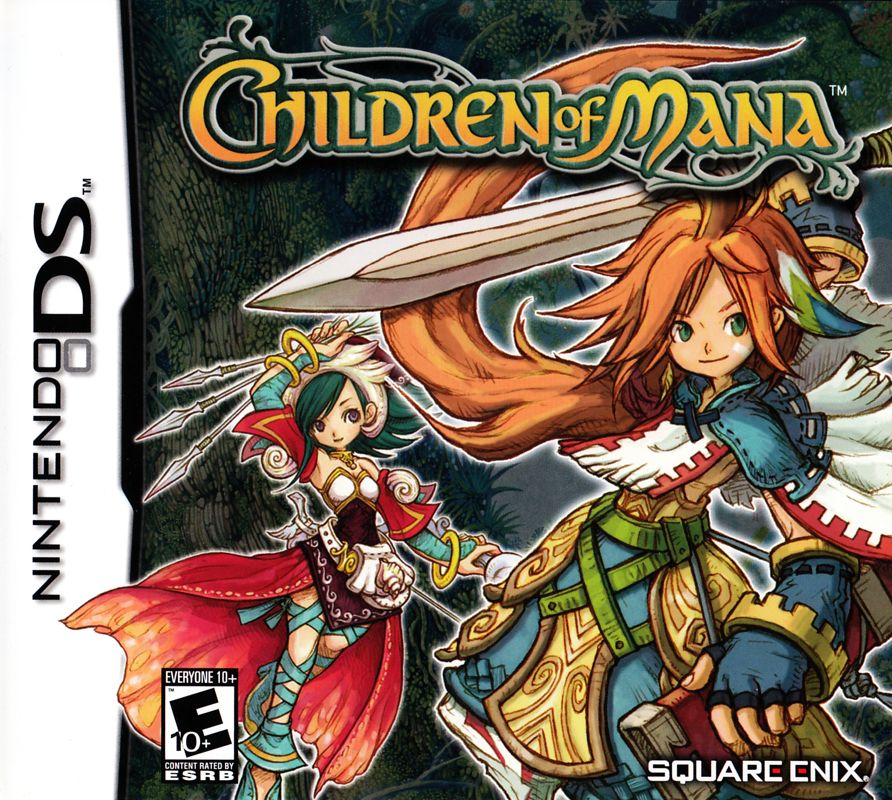
Children of Mana follows a straightforward action/RPG formula familiar to fans of Secret of Mana, but it refines the experience for handheld play. You guide one of four young adventurers—Ferrik, Tamber, Poppen, or the enigmatic Wanderer—through a series of labyrinthine dungeons that lie beneath the Island of Illusia. Combat is fast-paced and real-time, emphasizing dodge rolls, spellcasting, and weapon combos rather than complex menu juggling. Each character feels distinct, with differing base stats and animation speeds that encourage replay if you want to try a different playstyle.
(HEY YOU!! We hope you enjoy! We try not to run ads. So basically, this is a very expensive hobby running this site. Please consider joining us for updates, forums, and more. Network w/ us to make some cash or friends while retro gaming, and you can win some free retro games for posting. Okay, carry on 👍)
A defining feature of Children of Mana is the dual-weapon system. You can equip one melee weapon and one ranged weapon at a time, seamlessly switching between the two to adapt to varying enemy formations. A swift slash with your shortsword can stun a nimble bat, then you can immediately fire arrows into a flying foe. While the concept adds tactical depth, you quickly notice the limitation: only four weapon types exist in the entire game (swords, axes, bows, and staves). This small arsenal makes each weapon discovery feel special, but veterans of the Mana series might miss the variety they’ve come to expect.
For those seeking cooperative fun, Children of Mana includes Wireless LAN support for up to four players. Teaming up turns each dungeon crawl into a chaotic but rewarding experience, with players coordinating roles—one focusing on crowd control, another on healing, and so on. Unfortunately, the GBA’s hardware constraints mean only local wireless play is possible, so online matchmaking is out of reach. Still, gathering three friends with their own Game Boy Advances and cartridges can lead to some memorable multiplayer sessions.
Dungeon design centers on randomly generated layouts, ensuring you don’t get bored with the same corridors over and over. Each floor’s shape, trap placement, and treasure chest distribution change upon re-entry, which helps mitigate the grind of repetitive missions. Side missions and optional bosses further pad the content, though the core loop remains “enter dungeon, fight monsters, collect crystals, defeat boss.” If you thrive on loot collection and incremental stat boosts, the procedural element will keep you returning for just one more run.
Graphics
On the Game Boy Advance, Children of Mana delivers crisp, colorful sprites that pop against the muted greens and browns of Illusia’s forest floors. Character and enemy designs are charmingly detailed despite the GBA’s limited resolution—your hero’s robe flutters, slimes jiggle, and giant bees buzz with surprisingly fluid animation. Spell effects, such as fiery nova bursts or healing rings, light up the screen and underscore its action-oriented focus.
The environmental variety is a highlight. Dungeons range from mossy caverns to molten lava chambers, each with unique tile sets and background motifs. Although repeating the same tiles in different configurations can feel a bit recycled, clever palette swaps and occasional set pieces like crumbling bridges or frost-covered columns give each floor its own identity. Boss arenas are often simple platforms, but the dramatic zoom-ins and special attack animations keep these climactic battles visually engaging.
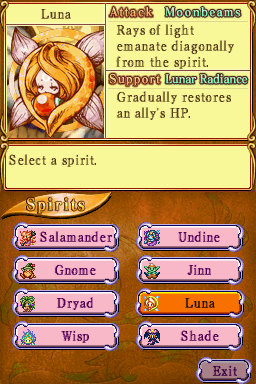
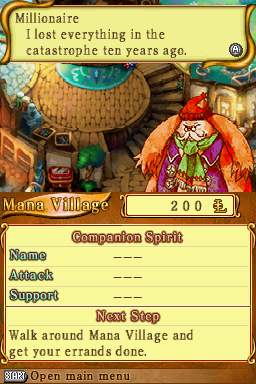
Performance is generally solid, with frame rates holding up even when four players and dozens of enemies crowd the screen. Occasional slowdown can occur during large spell animations or wireless multiplayer chaos, but it rarely interferes with gameplay. The UI is clean and readable: your health crystals, MP gauge, and equipped weapons remain unobtrusive in the top corners, letting you focus on the action below.
Menacing ambient sounds and a bouncy soundtrack complete the sensory package. Composer Kenji Ito crafts catchy melodies that shift from somber dungeon themes to triumphant victory tunes, reinforcing the Mana series’ musical legacy. While the graphics won’t rival home-console titles, Children of Mana maximizes the GBA’s scope, delivering a vibrant world that’s a delight to explore.
Story
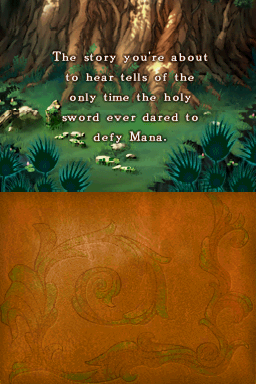
The narrative of Children of Mana unfolds against the backdrop of a mysterious catastrophe that rocked the base of the Mana Tree years before your journey begins. Each protagonist—Ferrik, Tamber, Poppen, and Wanderer—carries the burden of loss, having lost their parents in the disaster. This shared tragedy motivates them to unravel the cause of the calamity and protect the Mana Tree from further harm. Though the dialogue can be earnest and occasionally clichéd, it effectively conveys the characters’ determination and emotional stakes.
Story progression occurs primarily through short interludes before and after dungeons. You won’t find lengthy cut-scenes or branching dialogue trees here; instead, brief conversations set goals (“Rescue the trapped miner!” or “Stop the Mana corruption!”) and hint at the larger Mana lore. The game keeps its pacing brisk, with the overarching plot of “restore balance to Mana” tying each dungeon run together. There are no elaborate twists, but the straightforward premise suits the portable pick-up-and-play design.
Character development is light but heartfelt. Ferrik’s stoic leadership contrasts with Tamber’s fiery optimism, Poppen’s introspective nature, and Wanderer’s enigmatic past. Occasional banter between party members adds warmth, and unlocking each character’s personal ending—triggered by completing specific side missions—provides modest closure. While the story rarely ventures into unexpected territory, it maintains a steady sense of purpose that carries you through the gameplay grind.
Ultimately, Children of Mana’s tale is about camaraderie, sacrifice, and the enduring power of the Mana Tree. It may not reach the narrative heights of its console predecessors, but for a GBA adventure focused on action, it strikes a satisfying balance between world-building and fluid gameplay.
Overall Experience
Children of Mana stands out as one of the more robust action/RPG offerings on the Game Boy Advance. Its blend of frantic dungeon crawling, accessible spellcasting, and the innovative dual-weapon system provides hours of engaging solo and cooperative play. The randomly generated floors and optional quests ensure that no two dungeon runs feel exactly alike, extending replay value for completionists and loot hunters alike.
There are compromises, to be sure. The limited weapon roster and relatively simple story structure may disappoint series veterans expecting a deeper narrative or more sprawling equipment trees. Without online multiplayer, coop sessions require physical proximity and multiple consoles, which can be a hurdle for some. Moreover, repetitive dungeon objectives can lead to fatigue if you lack a dedicated co-op squad or patience for procedural leveling.
Yet, for its strengths—particularly its vibrant graphics, tight controls, and smooth performance—Children of Mana earns its place in any GBA collector’s library. The game’s wireless multiplayer remains a standout feature, turning hack-and-slash into a shared thrill. If you cherish fast-paced action, cooperative dungeon exploration, and a taste of Mana’s classic charm on the go, this title delivers a compelling package that’s hard to ignore.
In conclusion, while Children of Mana may not revolutionize the action/RPG genre, it refines it for handheld play. The combination of replayable dungeons, balanced combat mechanics, and cooperative fun makes it a worthy addition for fans of the series and newcomers alike. Prepare to dive beneath Illusia’s surface, unlock the secrets of the Mana Tree, and make lasting memories—one crystal at a time.



Reviews
There are no reviews yet.