 Retro Replay Retro Replay gaming reviews, news, emulation, geek stuff and more!
Retro Replay Review
Gameplay
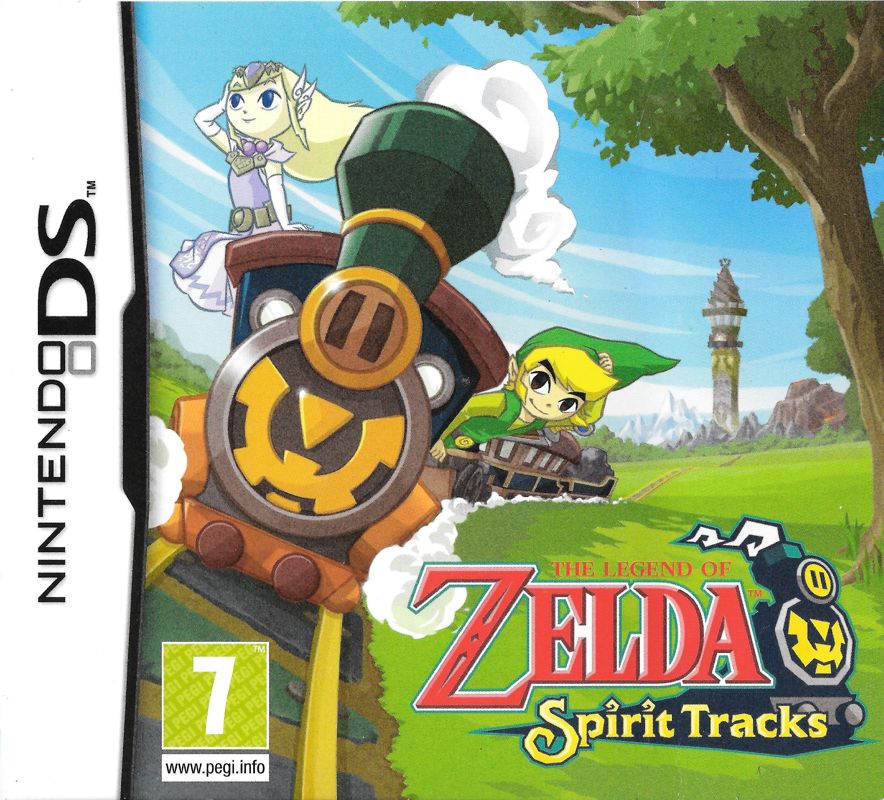
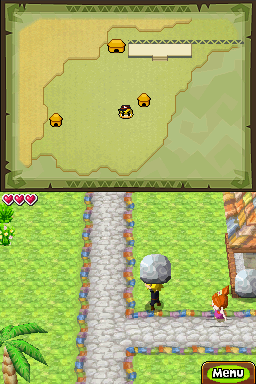
The Legend of Zelda: Spirit Tracks builds upon the stylus-driven mechanics introduced in Phantom Hourglass, offering a fresh blend of exploration, puzzle-solving, and train-based traversal. Players guide Link entirely with the Nintendo DS stylus—tapping to move him, drawing lines for sword slashes, and interacting with the environment by tracing shapes or symbols. This intuitive control scheme feels responsive and natural once mastered, making each dungeon and overworld encounter engaging.
(HEY YOU!! We hope you enjoy! We try not to run ads. So basically, this is a very expensive hobby running this site. Please consider joining us for updates, forums, and more. Network w/ us to make some cash or friends while retro gaming, and you can win some free retro games for posting. Okay, carry on 👍)
Puzzles remain at the heart of each dungeon, requiring not only keen observation but also creative use of Link’s evolving toolset. From the windmill that disperses toxic gas to the pan flute that reveals hidden passages, each new item introduces novel mechanics. Additionally, the ability to jot quick notes or draw arrows on your in-game map enriches the puzzle experience, turning every map screen into a planning surface that rewards forethought.
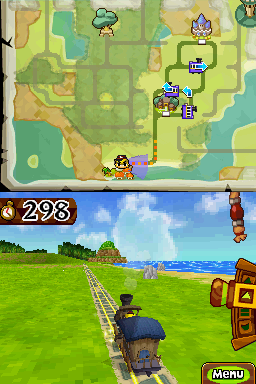
One of Spirit Tracks’ most distinctive gameplay elements is the toy train that serves as Link’s primary means of transportation between towns and landmarks. Players plot courses on the touchscreen, navigate junctions, and fend off bandits or wild creatures along the rails. This train system injects a sense of strategy into overworld traversal, as you must balance speed with vigilance—ensuring you don’t derail or collide with oncoming hazards.
Combat encounters on foot also benefit from the stylus controls. Targeting foes by tapping or swiping encourages dynamic swordplay, while certain boss fights cleverly combine on-foot tactics with train segments. This duality—switching seamlessly between Link’s personal heroics and the locomotive’s challenges—keeps the gameplay loop varied and consistently entertaining.
Graphics
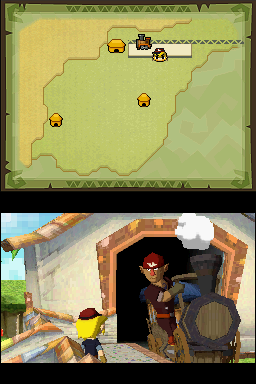
Spirit Tracks adopts a vibrant, cel-shaded art style that perfectly complements the whimsical charm of the Zelda universe. Character models are crisply defined on the DS’s dual screens, and expressive animations breathe life into both allies and adversaries. Watching Zelda’s spirit flit across the battlefield or Link’s engineer outfit billow during train journeys underscores the game’s attention to visual detail.
The overhead overworld view offers expansive vistas dotted with lush forests, quaint villages, and looming ruins. While the DS hardware imposes limitations on draw distance and texture resolution, the developers cleverly mask these constraints with stylized foliage, pastel palettes, and deliberate use of fog in distant areas. As a result, the world feels more like a living diorama than a compromised 3D environment.
Each dungeon features a distinct visual theme—ranging from fiery caverns and flooded temples to clockwork machinery—paired with atmospheric lighting and ambient sound effects. Transitions between rooms maintain fluid framerates, and minor load pauses rarely interrupt immersion. Even when the train moves between screens, the handover remains smooth, preserving the sense of an uninterrupted adventure.
Cutscenes and character portraits further bolster the presentation. Hand-drawn stills during key narrative beats communicate emotion effectively, and the playful animations during lighter moments remind players that Zelda titles excel at interweaving heartfelt storytelling with delightful humor. Overall, Spirit Tracks showcases the DS’s strengths in stylized visuals and animation quality.
Story
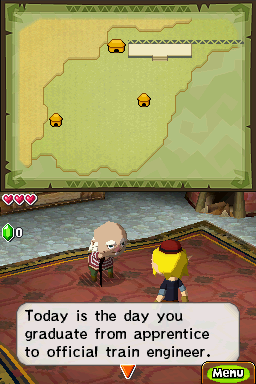
The narrative of Spirit Tracks begins with Link’s dream of becoming an apprentice engineer, setting the stage for a journey that merges steam-powered rail travel with classic Zelda heroism. The opening ceremony at Hyrule Castle quickly escalates into intrigue when Princess Zelda warns Link of a sinister plot involving the Chancellor. This early twist hooks players by verging from courtroom ceremony to magical betrayal in moments.
When Zelda’s spirit is torn from her body, the game introduces its signature co-op dynamic: you command Link on foot while occasionally possessing towering Phantom armor as Zelda’s ethereal form. This partnership reinforces themes of teamwork and loyalty, as neither hero can succeed alone. Watching Zelda direct Link through obstacle-laden halls or shield him from flame traps underscores that the duo’s synergy is central to the narrative’s emotional impact.
The quest to restore the Spirit Tracks and rescue both Hyrule’s soul anchors the pacing with a clear objective. Along the way, players encounter a colorful cast of NPCs—engineers with quirky personalities, townsfolk beset by undead spirits, and cunning villains operating behind the Chancellor’s scenes. Side quests pepper the journey with lighthearted diversions, from railway renovations to ghost-busting mini-games, adding depth to the world without detracting from the main story.
Throughout the adventure, storybook-style cutscenes illustrate pivotal developments, ensuring that plot twists land with maximum impact despite the DS’s modest screen size. Emotional payoffs—like Zelda’s reunion with her body or the liberation of sacred spirits—feel earned, providing players with genuine satisfaction as they piece together the Chancellor’s true motivations and thwart his machinations.
Overall Experience
The Legend of Zelda: Spirit Tracks is a standout entry in the franchise that masterfully adapts Zelda’s hallmark elements to the DS’s dual-screen, stylus-driven format. Its unique train-based overworld, combined with traditional dungeon exploration and innovative spirit mechanics, delivers a gameplay mix that feels both familiar and refreshingly novel. Every minute spent steering the rails or delving into a new temple reinforces why Nintendo continues to innovate within this beloved series.
While the train segments may occasionally slow the pace for those who prefer unbroken on-foot exploration, they enrich the world-building by turning travel itself into a mini-adventure. Keeping an eye on multiple junctions, dodging hazards, and fending off bandits transforms routine backtracking into a compelling challenge. And for players who savor thoughtful puzzles, the ability to annotate maps and control two characters simultaneously elevates Spirit Tracks beyond a simple port of the series’ formula.
Graphically charming and narratively engaging, Spirit Tracks strikes a delicate balance between lighthearted whimsy and heroic drama. The story of Link and Zelda’s intertwined fates unfolds with just the right mix of humor, suspense, and heartfelt moments to captivate fans old and new. Moreover, the game’s relatively short runtime—compared to console titles—ensures that the experience remains tight and focused from start to finish.
For potential buyers seeking an accessible yet deeply rewarding handheld adventure, Spirit Tracks is a must-play. Its blend of stylus-based controls, inventive dungeon design, and locomotive hijinks showcases Nintendo’s knack for turning hardware quirks into distinctive gameplay features. Whether you’re a longtime Zelda enthusiast or a newcomer drawn in by the promise of spirited puzzles, this journey across Hyrule’s disappearing tracks is sure to leave a lasting impression.



Reviews
There are no reviews yet.