 Retro Replay Retro Replay gaming reviews, news, emulation, geek stuff and more!




Retro Replay Review
Gameplay
Grounseed embraces a “minimalist Japanese RPG” philosophy, stripping away many conventions to focus on pure character interaction and strategic encounters. Instead of scouring towns for items or juggling complex equipment menus, players concentrate on the core loop of exploration, conversation, and turn-based battles. Every defeat of an enemy triggers an immediate stat boost—no grinding required—which keeps progression smooth and rewarding without the usual leveling grind associated with the genre.
(HEY YOU!! We hope you enjoy! We try not to run ads. So basically, this is a very expensive hobby running this site. Please consider joining us for updates, forums, and more. Network w/ us to make some cash or friends while retro gaming, and you can win some free retro games for posting. Okay, carry on 👍)
Combat encounters are visible on the screen rather than hidden behind random encounters, allowing players to plan their approach. Enemies wander the fields of Grounseed’s medieval world and engaging them triggers a straightforward combat interface. Akira, alongside his two companions, can execute basic physical attacks or unleash unique techniques that consume technique points (TP). One companion’s healing magic adds a layer of tactical depth, encouraging players to balance offensive strikes with timely support spells.
Without money, shops, or world maps to navigate, Grounseed’s gameplay leans heavily on its narrative flow and strategic decision-making. While some RPG enthusiasts might miss the complexity of equipment upgrades or crafting systems, others will appreciate the streamlined experience. The absence of random battles and the instant stat gains lower barriers for newcomers and keep the adventure moving at a brisk pace, emphasizing story-driven exploration over traditional RPG busywork.
Graphics
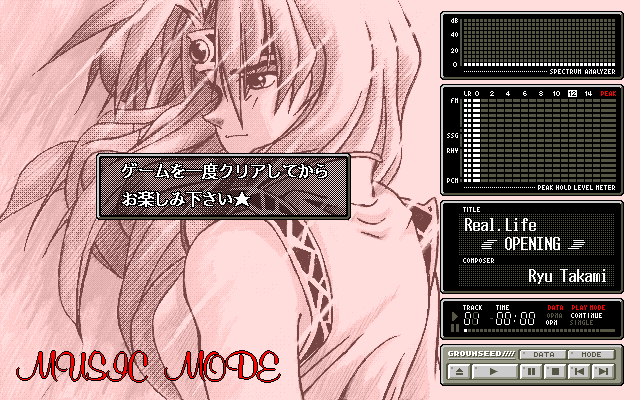
Grounseed presents a charming retro aesthetic that harkens back to early console RPGs. Character sprites are crisp and expressive, capturing emotional nuances during the game’s lengthy dialogue sequences. While the visual style isn’t pushing the boundaries of modern graphics technology, it delivers a warm, almost nostalgic atmosphere that suits the game’s focus on story and character rather than flashy visuals.
Environment design leans on simple but evocative backgrounds—lush forests, ancient ruins, and elemental shrines filled with ambient lighting effects. The glowing portals and spirit-king arenas each sport distinct color palettes, helping players immediately recognize which elemental domain they’ve entered. Occasional parallax scrolling and basic particle effects lend a subtle sense of depth and magic without overwhelming the minimalist art style.
Cutscenes are rendered in a slightly more detailed mode, giving a cinematic touch to major story moments. While these sequences rely on still images and text overlays rather than full-motion animation, they strike a good balance between emotional impact and resource efficiency. For players who appreciate pixel-art charm with a hint of modern polish, Grounseed’s graphics strike a pleasing middle ground.
Story
At the heart of Grounseed lies the journey of Akira Ichijou, an ordinary Japanese high-school student thrust into a medieval dimension alongside his girlfriend, Kanami. A chance encounter with a mysterious glowing orb hurls them into Grounseed, a world of elemental spirits and looming catastrophe. The core narrative—restoring the balance between dimensions by seeking out the five spirit kings—provides a clear, relatable goal that drives both plot and gameplay forward.
Character interactions are the game’s narrative cornerstone. Extended cutscenes and in-depth conversations explore not only the external conflict threatening two worlds, but also the personal growth of Akira, Kanami, and their companions. Moments of levity and romance punctuate the journey, ensuring that even solemn rituals and spirit-king confrontations carry genuine emotional weight. Fans of story-heavy JRPGs will find themselves invested in the party’s evolving relationships.
While the overarching plot is familiar—young hero pulled into another world—the simplicity of its execution is a strength rather than a weakness. With no side quests or optional dungeons to distract from the main quest, the story unfolds at a steady, focused pace. Key revelations and world-building details are distributed evenly, making each new spirit-king domain feel like a meaningful milestone rather than mere map progression.
Overall Experience
Grounseed offers a unique take on the traditional JRPG by removing many of the genre’s typical trappings. This streamlined design delivers a concise adventure that appeals to players who value narrative momentum over mechanical complexity. The absence of inventory management and random battles keeps the experience accessible and prevents hours of tedious grinding.
However, the game’s minimalist philosophy may not resonate with everyone. Players who relish deep customization, elaborate gear systems, or open-world exploration might find Grounseed’s tightly controlled progression limiting. Additionally, the lengthy cutscenes and dialogue-heavy presentation require patience; those seeking nonstop action or frequent gameplay breaks may occasionally feel bogged down by exposition.
Ultimately, Grounseed shines as a compact, story-driven RPG with a heartfelt core. Its blend of visible encounters, instant progression, and emotionally charged narrative sets it apart from both classic and contemporary titles. For gamers looking for a focused, character-centric adventure in a magical medieval realm—without the usual RPG frills—Grounseed is a memorable journey well worth undertaking.


Reviews
There are no reviews yet.