 Retro Replay Retro Replay gaming reviews, news, emulation, geek stuff and more!
Retro Replay Review
Gameplay
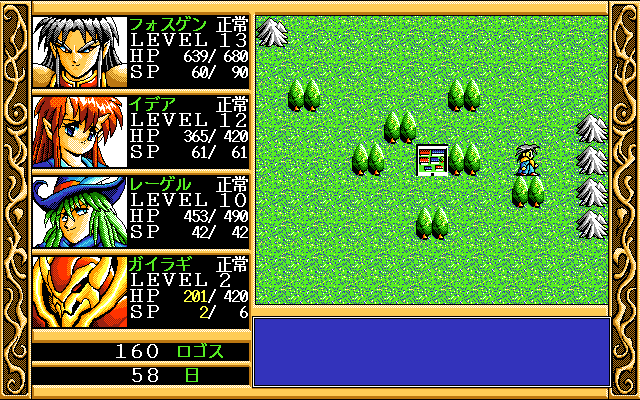
Ki offers a classic Japanese-style top-down RPG experience that will feel immediately familiar to genre veterans, yet it introduces enough unique mechanics to keep the journey fresh. Vossgen’s adventures unfold through tiled towns, winding dungeons, and an open overworld. Though enemies don’t roam visibly, random encounters are spaced out judiciously to maintain tension without feeling tedious. At certain key story junctures, foes are pre-set, ensuring narrative battles feel more like set pieces than mere stat checks.
(HEY YOU!! We hope you enjoy! We try not to run ads. So basically, this is a very expensive hobby running this site. Please consider joining us for updates, forums, and more. Network w/ us to make some cash or friends while retro gaming, and you can win some free retro games for posting. Okay, carry on 👍)
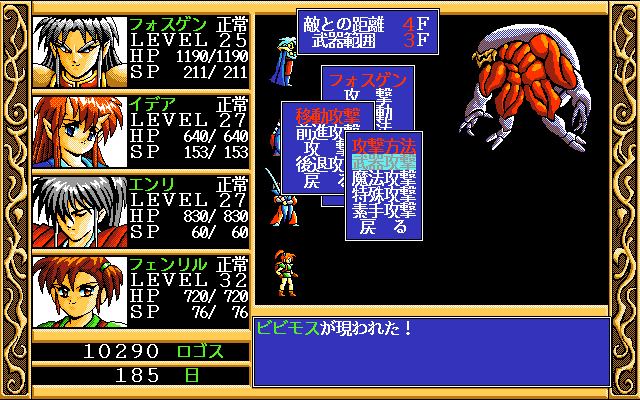
Combat in Ki blends tradition with tactical nuance. Each character wields three attack ranges—close, normal, and far—allowing for build-your-own strategy depending on how much risk you’re willing to take. Up-close strikes deal heavy damage but leave you vulnerable; ranged assaults offer safety at the cost of power. This system applies equally across swords, staves, elemental magic, and special techniques, rewarding players who learn to balance offense and positioning.
Party customization is a highlight: as you explore the world, up to three companions can join your quest, each bringing distinctive abilities and elemental affinities. Equipment and magic spells are purchased in stores, encouraging you to plan ahead for dungeon delves and boss fights. Subtle moral choices scattered throughout the narrative—such as sparing or slaying certain foes—also influence your karma meter, making trading blows not the only test of resolve.
Graphics
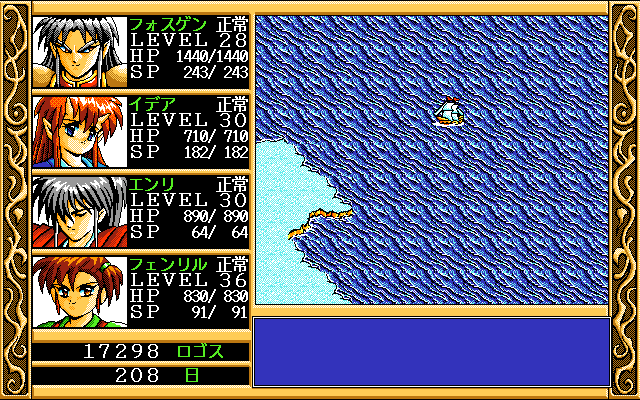
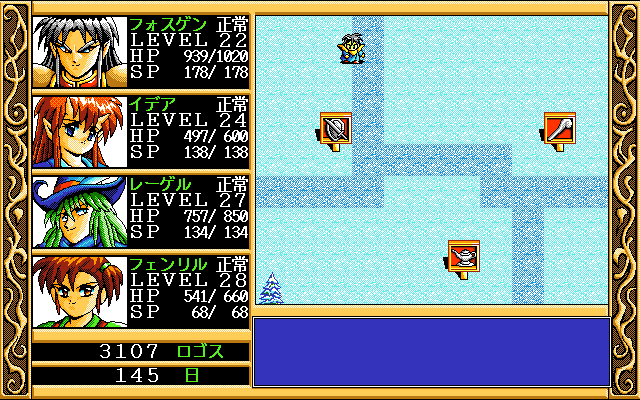
Visually, Ki embraces a retro-inspired pixel art style that evokes the golden age of 16-bit RPGs. Towns brim with color, each building’s rooftop and signpost drawn with charming detail. Character sprites animate smoothly, especially during spellcasting sequences when elemental effects—fire crackles, frost spirals, and lightning arcs—burst against dark backgrounds for dramatic contrast.
The overworld map is expansive, dotted with forests, mountain passes, and haunted ruins that invite exploration. Dungeon interiors, though sometimes repetitive in layout, use varied color palettes and ambient lighting to distinguish one zone from another. Occasional weather effects—rain slicking cave floors, gusts of wind stirring bannered hallways—add a layer of atmosphere that keeps each area feeling alive.
Cutscenes employ simple but effective visual flourishes: silhouetted figures against glowing portals, swirling mists that obscure enemies, and quick pans across demon-infested battlegrounds. While not pushing modern hardware to its limits, Ki’s graphics capture a warm, nostalgic charm that suits its tale of destruction and redemption flawlessly.
Story
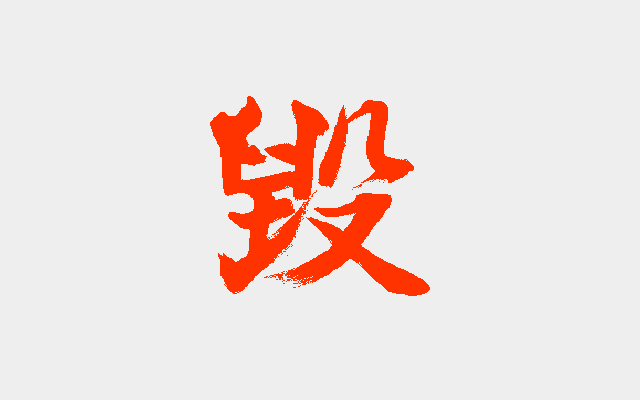
The title Ki itself is written with the kanji for “destruction,” a theme woven deeply into the narrative fabric. Young Vossgen’s life is shattered when a demonic raid in the realm of Weltschmerz tears his family apart. Raised unknowingly as a demon and eventually transformed into one, his journey becomes as much about self-discovery as it is about reuniting with his kin.
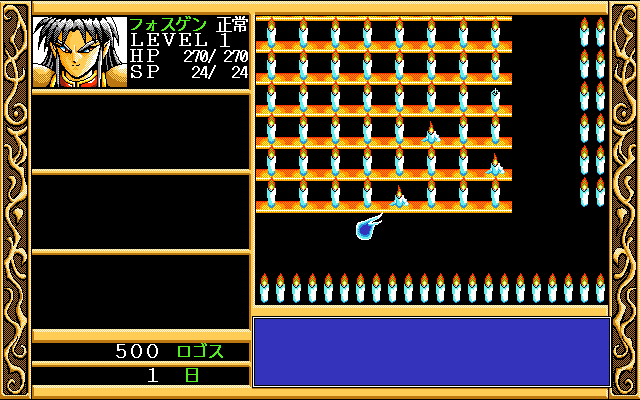
Vossgen’s quest carries profound emotional weight. After being struck down in combat, he persists as a spirit in the world of the dead, battling malevolent shades to earn a second chance at life. His resurrection sets the stage for a sprawling adventure: he must navigate political intrigue in human cities, forge alliances with otherworldly beings, and unmask the traitor who betrayed his family.
Throughout the story, moral choices test your sense of justice and ambition. Do you uphold your father’s code of honor by showing mercy, or do you embrace demonic power for the sake of retribution? These decisions shift Vossgen’s karma meter, leading to one of multiple endings. This branching structure encourages replay, as players explore both virtuous and darker paths.
Overall Experience
Ki succeeds in delivering a nostalgic yet refined RPG package. Its engaging turn-based combat, enriched by the three-tiered attack system and elemental magic, keeps each encounter feeling dynamic. Random battles are infrequent enough to maintain a steady pace, while preset fights ensure major story beats land with impact.
The pixel art visuals and atmospheric design evoke fond memories of classic RPGs, but the narrative’s modern sensibilities—spirit worlds, moral ambiguity, and demon politics—give it a fresh identity. Vossgen’s redemption arc resonates, especially when your in-game choices shape the world’s ultimate fate. Whether you’re sparing a defeated foe or unleashing a devastating demonic technique, every decision feels meaningful.
For fans of top-down, turn-based adventures, Ki offers dozens of hours of exploration, strategy, and storytelling. Its blend of traditional mechanics with moral complexity and a richly drawn world makes it a standout title for anyone seeking an emotional journey through destruction and rebirth.

Reviews
There are no reviews yet.