 Retro Replay Retro Replay gaming reviews, news, emulation, geek stuff and more!




Retro Replay Review
Gameplay
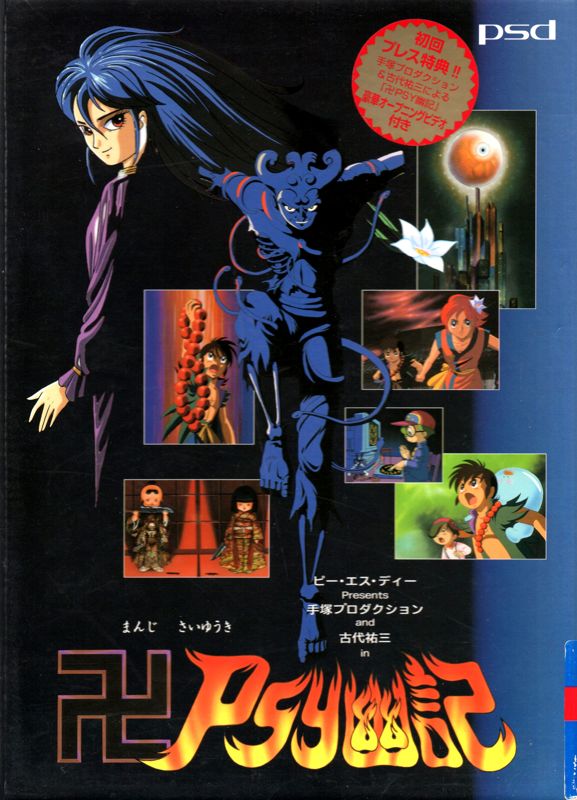
Manji: PSY Yūki captures the essence of classic Japanese RPGs with its top-down exploration and turn-based, first-person combat. Players guide Asako, her spirit companion Boy, and the infant Taro through winding mountain trails, moss-covered temple grounds, and treacherous caves. The exploration is punctuated by sudden, randomly appearing enemies that test your readiness; a well-timed retreat or strategic use of terrain can turn the tide in seemingly dire encounters.
(HEY YOU!! We hope you enjoy! We try not to run ads. So basically, this is a very expensive hobby running this site. Please consider joining us for updates, forums, and more. Network w/ us to make some cash or friends while retro gaming, and you can win some free retro games for posting. Okay, carry on 👍)
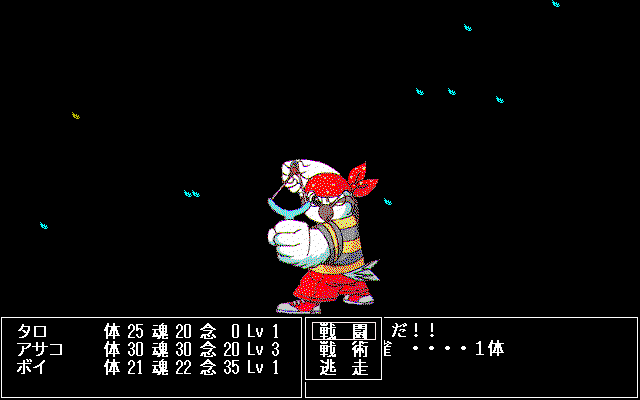
The battle system is deceptively simple yet rich in tactical depth. Each character is governed by three distinct point bars—Body for health, Soul for attack and defense performance, and Mind for unleashing powerful “mind powers” akin to magic spells. Balancing these resources becomes crucial as you decide whether to heal wounds, buff allies, debilitate foes, or launch devastating psychic assaults. The pacing of battles remains engaging thanks to the variety of moves available and the steady influx of new enemies with unique resistances and elemental affinities.
Collecting the 64 upgrade tiles scattered throughout the game adds a rewarding layer of customization. Each tile augments specific parameters—boosting Soul might unlock a new dire attack, while enhancing Mind can reduce the cost of your mental spells. Deciding which upgrades to equip becomes a strategic puzzle in itself, especially when managing a party of three vastly different characters. This upgrade system encourages experimentation and strategic planning, ensuring that no two playthroughs feel quite the same.
Graphics
Visually, Manji: PSY Yūki strikes a balance between period-appropriate design and surreal, anachronistic flourishes. The hand-painted backgrounds evoke medieval Japan with bamboo groves, mossy stone lanterns, and mist-shrouded temple courtyards. Yet the game never shies away from its supernatural leanings—towering statues of Kannon glow with an ethereal light, and haunted forests pulse with shifting color palettes that border on the otherworldly.
Character sprites are carefully detailed, reflecting the dual nature of the world you inhabit. Asako’s kimono bears subtle embroidery that shifts in hue when she channels her spirit powers, and Boy’s modern-day attire—complete with sneakers and a baseball cap—provides a playful contrast to the ancient surroundings. Even Taro, the wide-eyed infant, is animated with surprising nuance, his cries rippling through the environment and drawing Asako into pivotal story moments.
During combat, the game’s first-person perspective is enhanced by dynamic screen effects: shimmering distortions for soul-based attacks, rippling vortexes for mind powers, and thundering shockwaves for body-driven strikes. These visual flourishes are neither overwhelming nor underplayed; they reinforce the impact of each move while preserving the clarity needed to strategize effectively. Overall, the graphical presentation reinforces the game’s themes of mysticism, tradition, and playful anachronism.
Story
At its heart, Manji: PSY Yūki tells a tale of duty, compassion, and the convergence of past and present. Asako’s life at a secluded Buddhist temple is upended the moment she rescues the wailing infant Taro. Guided by the statues of Kannon, she embarks on a quest to summon the enigmatic spirit Pusheck—a journey that reveals hidden connections between the mortal realm and the world of spirits.
The dynamic between Asako, Boy, and Taro is a standout element of the narrative. Asako’s earnest devotion and maternal instincts contrast beautifully with Boy’s modern cynicism and dry humor, offering moments of levity amidst the game’s darker undertones. Taro, though silent, becomes a focal point for emotional beats; his presence elicits protective instincts from NPCs and heroes alike, driving home the game’s core message about caring for the vulnerable.
Pusheck’s mysterious origins and true intentions unfold gradually through environmental storytelling, cryptic dialogue with temple denizens, and haunting visions encountered during key spiritual rituals. This measured pacing keeps players engaged, inviting them to piece together prophecies inscribed on ancient scrolls, decipher obscure offerings at mountain shrines, and confront moral dilemmas that blur the line between human compassion and supernatural consequence.
Overall Experience
Manji: PSY Yūki offers a refreshing spin on traditional JRPG conventions by weaving together medieval Japanese aesthetics and bizarre anachronistic elements. The seamless integration of top-down exploration, strategic combat, and character-driven narrative prevents the adventure from ever feeling stale. Whether you’re savoring the quiet moments in a bamboo grove or summoning ethereal powers against a spirit-possessed foe, the world remains consistently immersive.
The game’s challenge curve is well-balanced, catering to both series veterans and newcomers. Early encounters introduce the body-soul-mind system at a relaxed pace, while midgame boss battles demand precise resource management. The myriad upgrade options reward curiosity and experimentation, encouraging multiple playstyles—from brute-force brawlers to spellcasting tacticians.
Ultimately, Manji: PSY Yūki stands out as a lovingly crafted homage to classic Japanese RPGs with a distinctive supernatural twist. Its combination of evocative environments, a heartfelt storyline, and engaging mechanics makes it a memorable journey for anyone seeking an adventure that bridges tradition and the uncanny. Potential buyers looking for a game that resonates on both emotional and strategic levels will find themselves fully absorbed in Asako’s quest to uncover the mysteries of the mountain.


Reviews
There are no reviews yet.